Addressing Common Concerns About Home Staging
Home staging has become an important strategy in modern real estate, yet many homeowners still have concerns about home staging before listing their property. Questions about cost, personalization, maintenance, and compatibility often create hesitation even though staging has a proven impact on how buyers perceive a home.
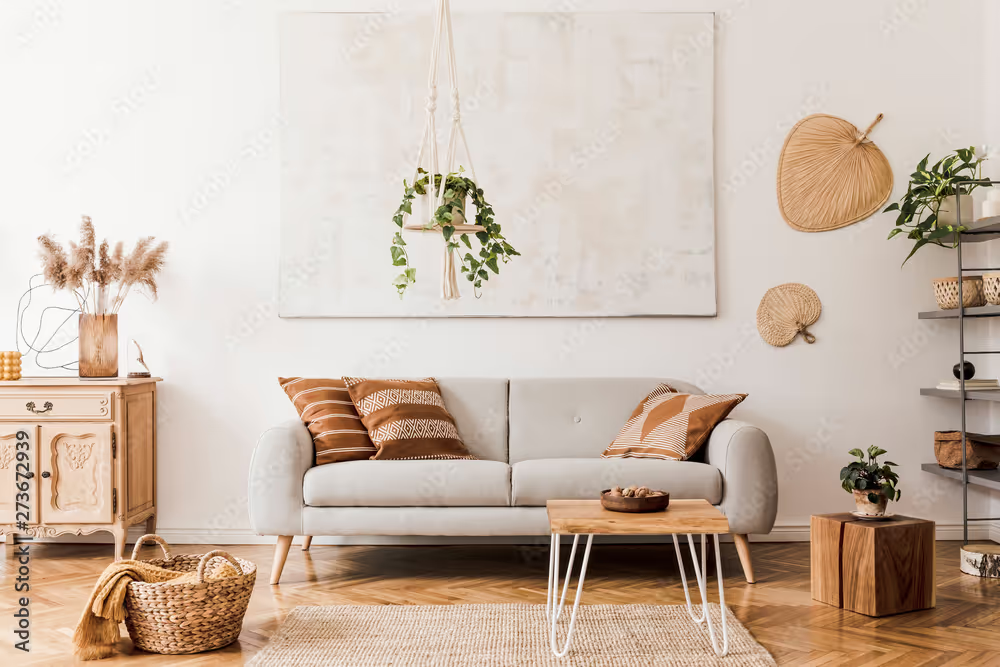
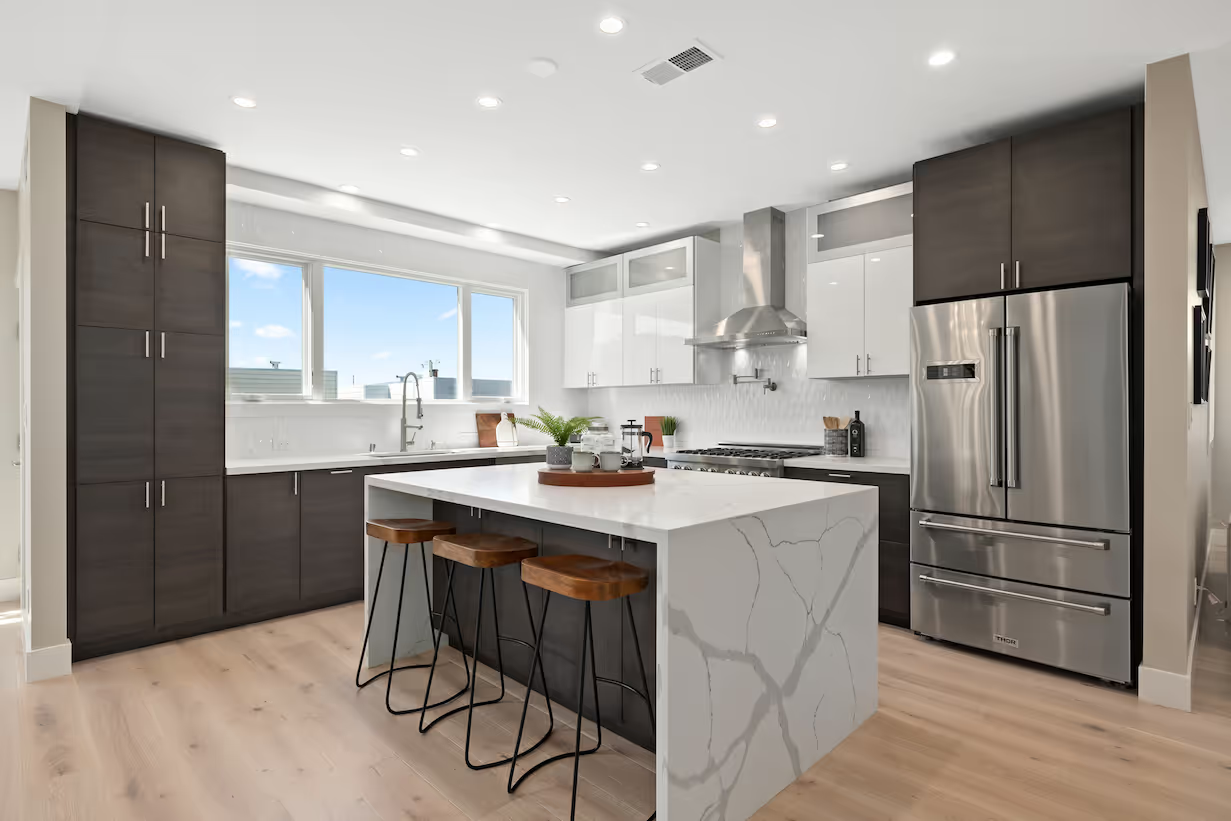
In competitive real estate markets, presentation plays a major role in attracting attention. The way a property appears in listing photos, online searches, and in-person showings can strongly influence buyer interest. When done correctly, home staging helps potential buyers imagine themselves living in the home. It highlights the property’s strengths and creates a more welcoming atmosphere that encourages stronger offers.
In this article, we address the most common concerns about home staging and explain why staging remains one of the most effective ways to help homes sell faster and stand out in the market.
Key Takeaways About Home Staging Concerns
Before exploring the details, here are a few key points to keep in mind:
- Home staging is typically an investment that improves buyer perception
- Depersonalizing a home helps buyers visualize themselves living there
- Professional staging works with many architectural styles
- A staged home is designed to be simple to maintain during the selling process
Understanding these fundamentals can help sellers feel more confident when deciding whether staging is right for their property.
Is Home Staging Worth the Cost?
One of the most common concerns about home staging is the cost involved. Many homeowners initially see staging as an additional expense during the selling process. However, staging is better understood as a strategic marketing investment rather than simply a design upgrade.
A well-staged home helps buyers understand how the space functions and allows them to emotionally connect with the property. When buyers can easily visualize themselves living in a home, they are often more motivated to make an offer.
Effective staging can lead to several advantages, including:
- Faster time on the market
- Increased buyer interest
- Stronger and more competitive offers
Instead of focusing only on the upfront cost, it helps to consider the overall impact staging can have on the selling process. Proper presentation can significantly improve how a listing performs compared to similar properties.
For a deeper look at the financial impact of staging, you can explore our guide on home staging as an investment or learn more about whether home staging is worth it before listing your property.
Does Depersonalizing a Home Make It Feel Cold?
Another common concern homeowners have is that removing personal items will make the home feel empty or impersonal.
In reality, depersonalization is one of the most important steps in effective home staging. When a property contains many personal photographs, collections, or highly specific décor, buyers may feel like they are visiting someone else’s home rather than imagining it as their own.
Depersonalizing a space simply removes these distractions so buyers can focus on the home’s layout, lighting, and features.
Typical staging adjustments may include:
- Removing family photos
- Minimizing personal collections
- Reducing clutter and excess furniture
- Simplifying decorative items
These changes do not remove warmth from the home. Instead, they create a neutral and inviting environment that helps buyers picture their own lifestyle in the space.
For additional guidance, you can review our article on home staging dos and don’ts to learn about common staging mistakes and best practices.
Can Home Staging Work with Different Architectural Styles?
Some homeowners hesitate to stage their homes because they believe staging only works for modern or newly renovated properties.
Professional staging, however, is designed to adapt to the home rather than change its character. Experienced stagers evaluate the architecture, layout, and design features of each property before selecting furniture and décor. Their goal is to highlight the home’s natural strengths rather than impose a generic design style.
Professional staging can help:
- Respect the architectural character of the property
- Highlight original features such as windows, built-ins, or moldings
- Create a cohesive visual style that complements the home
Whether a property is contemporary, traditional, coastal, or transitional, staging focuses on enhancing what makes the home appealing to buyers.
Is a Staged Home Hard to Maintain?
Another concern homeowners often express is the practicality of maintaining a staged home during the listing period. Many sellers worry that keeping everything perfectly arranged will require too much effort. Fortunately, professional staging is designed with everyday living in mind.
A staged home is not meant to be an unrealistic showroom. Instead, the goal is to balance visual appeal with functionality so homeowners can continue living comfortably while the property is on the market.
Well-planned staging typically includes:
- Simple furniture arrangements
- Minimal clutter
- Clear surfaces and organized spaces
Because staging often removes unnecessary items, many homeowners find their homes easier to keep clean and organized throughout the selling process. If you're preparing to list your property soon, our home staging checklist can help you plan the steps needed before putting your home on the market.
Do Real Estate Agents Benefit from Home Staging?
Some real estate agents initially wonder whether working with a staging company will complicate the listing process.
In practice, staging often enhances the agent’s ability to market the property effectively. When agents collaborate with professional stagers, they gain access to design expertise that improves how the home appears in marketing materials and showings.
This collaboration can result in:
- Stronger listing photos
- More appealing property presentations
- Clearer marketing positioning for the home
Stagers focus on visual presentation and buyer psychology, while agents bring market knowledge and pricing strategy. Together, they create a more effective selling strategy.
For homeowners and agents looking to improve how a property is presented, working with professional home staging services can significantly increase a listing’s appeal.
Why Addressing These Concerns Matters
Concerns about cost, depersonalization, architectural compatibility, maintenance, and collaboration are common when homeowners first consider staging. Addressing these questions early helps sellers make more confident decisions about how to prepare their property for the market.
Home staging is not simply about decorating, it is a strategic presentation tool that improves how buyers experience a home. By highlighting the property’s best features, improving listing visuals, and creating emotional appeal, staging helps homes stand out in competitive real estate markets.