Industrial Interior Design: Style Guide & Decorating Ideas
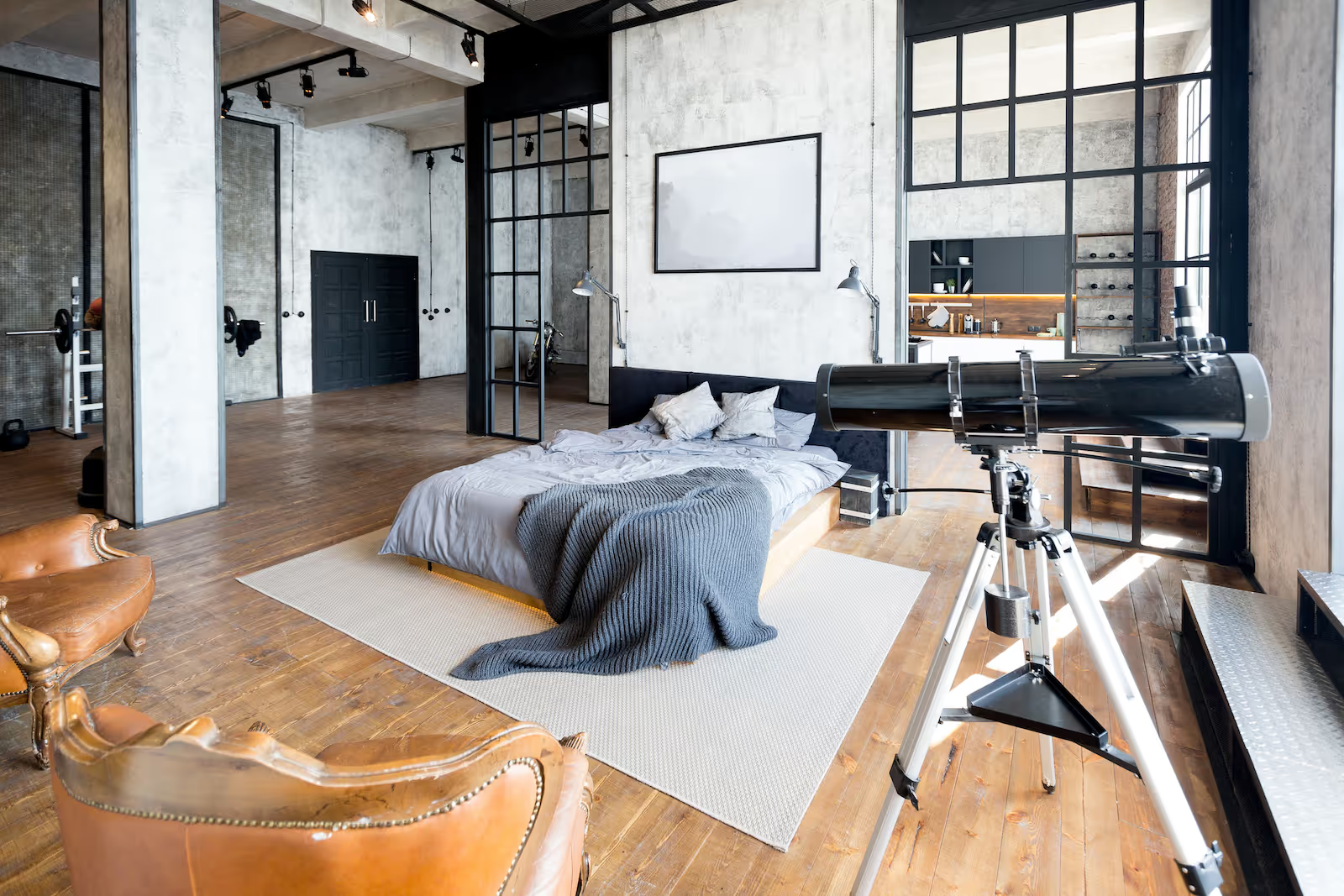
Industrial interior design turns raw architecture into a defining feature of the space. What was once hidden brick walls, steel beams, ductwork, and concrete floors is now intentionally exposed and celebrated. Instead of covering structural elements, industrial design highlights them as part of the visual identity.
Inspired by converted warehouses and urban lofts, this style blends rough, unfinished materials with more refined elements. The result feels bold, urban, and timeless. If you’re drawn to open spaces, honest materials, and a balance between old and new, industrial design offers a distinctive and highly adaptable approach to interior styling.
Key Takeaways About Industrial Interior Design
Industrial design focuses on revealing the structure of a space rather than hiding it. At its core, the style emphasizes:
- Raw materials such as brick, steel, and concrete
- Open layouts with high ceilings
- Neutral and slightly moody color palettes
- A mix of vintage industrial and modern furniture
- Functional design with minimal decoration
These elements work together to create spaces that feel authentic, spacious, and visually grounded. More importantly, industrial interiors often feel honest nothing is overly styled or artificial.
What Is Industrial Interior Design?
Industrial interior design is rooted in early 20th-century factories and warehouses, where function dictated form.
Common features include:
- Open floor plans
- High ceilings
- Exposed brick or concrete walls
- Visible pipes and ductwork
- Steel, iron, and reclaimed wood materials
Unlike traditional interiors that aim to conceal structure, industrial design embraces it. The architecture itself becomes part of the aesthetic. This approach creates a sense of transparency and authenticity. Instead of adding layers of decoration, industrial design removes them allowing the core structure of the building to define the space.
The History Behind Industrial Design
While its formal history is still debated, many designers trace the industrial design style back to the early 20th century. As the Second Industrial Revolution came to a close, factory operations shifted and left plenty of large, vacant warehouses behind. With city populations growing after WWI, many of these old industrial complexes were quickly converted into residential buildings throughout Western Europe and North America.
But thanks to expert marketing, warehouse conversions are now a far cry from those ramshackle housings of the 1920s. The look became synonymous with that New York urban cool aesthetic. And what were once factory districts are now some of the most expensive residential areas in the U.S. Manhattan’s high-end hipster SoHo neighborhood, for example, originated as a major manufacturing center. What once defined those buildings as commercial use--the high ceilings, exposed walls, cinder-block floors, spartan decor--were now celebrated as hallmarks of industrial interior design.
Over the past century, time and time again, empty factories across the country have been repurposed as artist lofts and luxury residential neighborhoods. According to the New York Times, about 800 vacant building in the U.S. have been converted into living spaces over the last decade. (Including one caviar-warehouse-cum-industrial-loft)
As the nation’s manufacturing sector continues to struggle, more and more factories will likely have to close their operations and open their warehouses for new uses and possibilities.
Today, industrial design represents more than just a look it reflects a shift toward valuing authenticity, craftsmanship, and architectural honesty.
Core Features of Industrial Interiors
Industrial spaces are defined by simplicity, structure, and material contrast. Each element plays a role in reinforcing the overall aesthetic.
1. Raw Materials
At the heart of industrial design is the use of unfinished or minimally treated materials.
Common surfaces include:
- Brick
- Concrete
- Steel and iron
- Reclaimed wood
These materials are often left matte, worn, or slightly weathered. This natural imperfection adds depth and character, making the space feel lived-in rather than overly polished.
2. Open Layouts
Industrial interiors typically feel spacious and flexible.
Instead of dividing rooms with walls, spaces are defined through furniture placement, lighting, and subtle zoning. This creates a more fluid layout that supports modern living.
Open layouts also enhance natural light, which helps balance the heavier materials often used in industrial design.
3. Neutral, Moody Color Palettes
Color in industrial interiors tends to be grounded and restrained. The industrial color palette normally leans toward dark, don’t be afraid of incorporating some brighter accent colors for a touch of homey warmth. Another way to make an industrial room more inviting: plenty of soft furnishings, like this wool pouf or faux fur throw. Soft decor serves the dual purpose of adding contrast and coziness.
Common tones include charcoal, black, deep gray, rust, warm brown, and muted metallic finishes. These colors reflect the materials used in industrial spaces and help create a cohesive visual language.
While the palette may appear dark, it is often balanced with natural light and lighter textures to prevent the space from feeling heavy.
4. Mixing Vintage and Modern Elements
One of the most defining aspects of industrial design is the contrast between old and new.
A space might include:
- Vintage factory tables
- Industrial lighting fixtures
- Leather seating
- Sleek modern sofas
This combination creates visual tension in a positive way. The contrast adds depth and prevents the space from feeling one-dimensional.
How to Create an Industrial Look at Home
You don’t need a converted warehouse to bring industrial style into your home. Thoughtful design choices can introduce the aesthetic gradually.
Industrial design is all about embracing the raw manufactured components. Showcase items made of building materials that would traditionally be hidden, like brick, concrete, steel, and even ductwork. (Or just cheat and use an industrial wallpaper.) Stick to an open-concept to mimic a warehouse floor, and hang plenty of metal pendant lights and sleek wall sconces.
• Embrace Exposed Details
If your home has architectural features such as brick walls, beams, or concrete surfaces, highlight them rather than covering them.
If not, alternatives like textured wallpaper or brick veneer can recreate a similar effect without major renovations.
• Incorporate Metal Elements
Metal is a defining feature of industrial interiors.
Consider adding:
- Black steel lighting fixtures
- Metal shelving units
- Factory-style stools
- Iron-framed mirrors
These elements introduce structure and reinforce the industrial character of the space.
• Use Industrial Lighting
Lighting plays both a functional and aesthetic role.
Popular options include:
- Pendant lights
- Cage-style fixtures
- Industrial wall sconces
These fixtures often become focal points while maintaining the raw, utilitarian feel of the design.
• Soften the Space with Textiles
Without balance, industrial interiors can feel cold or overly rigid.
Introducing softer materials helps create comfort:
- Wool throws
- Leather cushions
- Area rugs
- Layered fabrics
These elements add warmth while preserving the overall aesthetic. The goal is contrast hard surfaces balanced by soft textures.
• Introduce Reclaimed Wood
Reclaimed wood brings warmth and natural variation into industrial spaces.
Common uses include:
- Dining tables
- Floating shelves
- Kitchen cabinetry
- Accent walls
The combination of wood and metal is one of the most recognizable and effective elements of industrial design.
Industrial vs Modern Industrial: What’s the Difference?
Traditional industrial interiors tend to feel darker, heavier, and more rugged.
Modern industrial design introduces refinements that make the style more livable, such as:
- Cleaner furniture lines
- Lighter wood tones
- Simplified styling
- Brighter spaces with larger windows
This updated approach maintains the core industrial aesthetic while adapting it to contemporary lifestyles.
Why Industrial Design Works So Well in Home Staging
Industrial design translates especially well in urban real estate environments. For homeowners looking for just a hint of industrial, try switching out your table chairs for industrial bar stools, or swapping your bookcase for a factory-style cabinet. Or consider adding a vintage rustic metal bar table like this one from Overstock. And when in doubt, stainless steel can instantly elevate any room’s industrial street cred.
It works particularly well in loft conversions, urban condos, high-ceiling homes, and properties with large windows. In staging, industrial elements help:
- Emphasize architectural features
- Add character without clutter
- Appeal to modern, design-conscious buyers
- Photograph cleanly and effectively
Even subtle industrial accents such as metal lighting or wood textures can elevate a listing and make it more memorable.
Industrial Design as a Balance of Structure and Comfort
At its core, industrial interior design is about balance. It combines raw structure with livable comfort, minimalism with character, and history with modern function. When executed thoughtfully, it avoids feeling cold or unfinished. Instead, it creates spaces that feel intentional, grounded, and visually strong. That balance is what makes industrial design not just a trend but a lasting design approach that continues to evolve with modern living.