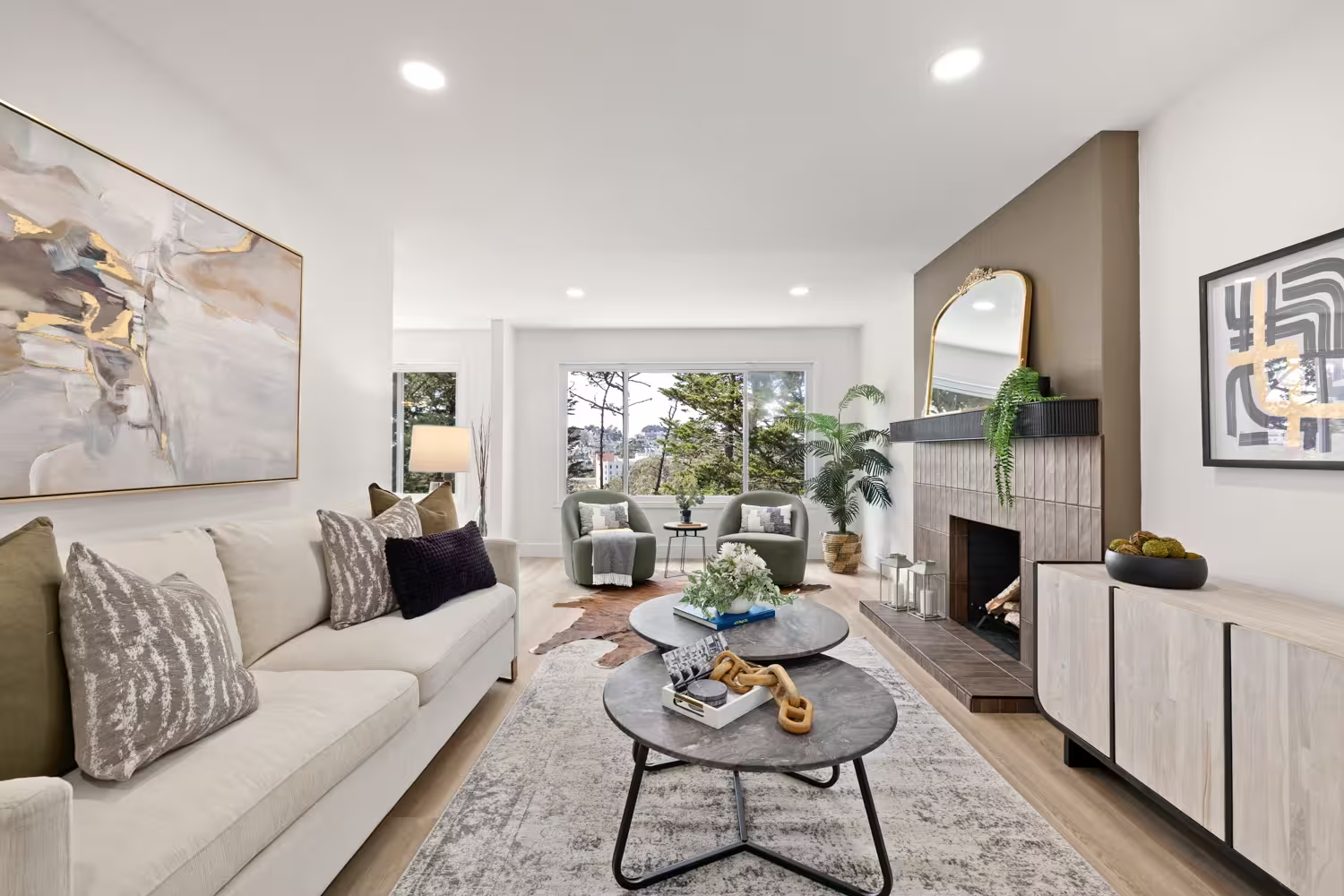
Home Staging for Local Buyers: How to Tailor Your Listing for Your Neighborhood
Staging a home is essential in today’s competitive real estate market. But staging becomes even more powerful when it reflects the lifestyle and expectations of the local buyer.
Every neighborhood attracts a slightly different type of homeowner. A downtown condo buyer typically has different priorities than someone searching for a suburban family home or a coastal retreat. By aligning your home staging with the surrounding market, you can strengthen emotional connection, increase buyer confidence, and position the property more effectively.
This guide explains how home staging for local buyers works and how sellers and agents can tailor their listing presentation to match neighborhood expectations.
Key Takeaways About Local Home Staging
Before diving deeper, here are a few key ideas to understand:
- Successful staging reflects the lifestyle of the neighborhood
- Buyer expectations vary based on demographics and price range
- Small design adjustments can make staging feel intentional rather than generic
- Local alignment can strengthen buyer confidence and perceived value
When staging reflects how people imagine living in the area, the home often feels more natural and appealing.
Why Staging Should Reflect the Local Market
When buyers evaluate a property, they are not just purchasing square footage. They are also investing in a lifestyle connected to the neighborhood. Because of this, staging should align with the local context.
A downtown condo, a suburban home, and a coastal property should not necessarily be staged in the same way. Buyer preferences can vary based on factors such as:
- Demographics
- Price point
- Architectural style
- Community culture
- Local lifestyle expectations
When staging reflects the identity of the neighborhood, the home feels more authentic and thoughtfully presented.
1. Research the Neighborhood Buyer Profile
Before designing a staging plan, it is helpful to understand who typically purchases homes in that specific area. Ask questions such as:
- Are most buyers young professionals?
- Are families driving demand in this neighborhood?
- Is the area known for luxury properties or entry-level homes?
- Are many buyers relocating from other cities?
Understanding the buyer profile helps shape staging decisions. For example:
- Family-oriented neighborhoods often benefit from flexible spaces and practical layouts
- Urban areas often respond well to modern, streamlined styling
- Coastal communities frequently favor light, airy interiors
Staging works best when it mirrors how buyers imagine their daily lives in that environment. Understanding the local market also helps when understanding staging investment and deciding how much preparation makes sense for the listing.
2. Highlight Local Advantages
Every neighborhood has unique selling points, and staging can help reinforce those advantages. Rather than using obvious themes, subtle staging cues can highlight the lifestyle the location offers. Examples include:
- Creating a homework nook in areas known for strong schools
- Designing an inviting patio space near parks or outdoor trails
- Emphasizing home office functionality in tech-driven markets
- Framing views of water, mountains, or city skylines
The goal is to support the story of living in that neighborhood without making the design feel forced.
3. Use Local Influence Thoughtfully
Regional influences can help a staged home feel naturally connected to its surroundings. Small design details can reinforce that connection without overwhelming the space. Examples might include:
- Neutral coastal tones in waterfront areas
- Natural wood and stone elements in suburban homes
- Minimalist accents in urban environments
These subtle cues help buyers feel aligned with the character of the area.
4. Stage According to Season and Timing
Seasonal alignment also plays a role in effective staging. Homes that reflect the current season often feel more welcoming and well cared for. Examples include:
Spring and Summer
- Bright textiles
- Fresh greenery
- Open and airy layouts
Fall and Winter
- Layered textures
- Warm lighting
- Cozy seating arrangements
Seasonally aware staging helps reinforce the feeling that the property is ready for the next owner.
5. Emphasize Views and Natural Light
If a property offers standout visual features such as waterfront views, mountain landscapes, or city skylines staging should highlight them. To emphasize these elements:
- Keep sightlines open
- Avoid heavy drapery or bulky furniture near windows
- Position seating to draw attention toward the view
Local buyers often prioritize natural light and scenery, so these features should remain visually accessible.
6. Maintain Clean and Cohesive Styling
Even when staging reflects the local market, it should remain neutral and broadly appealing. Professional staging typically focuses on:
- Consistent color palettes
- Balanced décor placement
- Minimal clutter
- Simple, cohesive styling
Understanding choosing the right soft furnishings can help maintain warmth and texture while keeping the overall design polished.
Strategic restraint helps the home feel refined and trustworthy to potential buyers.
7. Create a Lifestyle Story Buyers Can See Themselves In
One of the most effective staging strategies is creating a subtle lifestyle narrative. Instead of simply decorating rooms, staging can suggest how the space might be lived in.
Consider questions such as:
What does living here feel like?
For example:
- A beach property might suggest relaxed outdoor dining and evening gatherings
- A suburban home may highlight family routines and shared spaces
- A city condo may reflect efficiency, convenience, and modern living
When buyers can easily picture themselves living in the home, the property often becomes more memorable.
How Local Staging Strengthens Buyer Confidence
When staging reflects the surrounding neighborhood, buyers tend to move through the space with more confidence. It feels considered, appropriate, and easy to understand.
At BoldRM, this kind of alignment is often part of the staging approach looking beyond the home itself to ensure it fits naturally within the market it’s entering. There’s a quiet focus on how the space aligns with the expectations and everyday lifestyle of buyers in that area.
Over time, these small but intentional decisions can shape how a listing is perceived often influencing which homes feel more compelling from the very first impression.