What Is Japandi Interior Design?
Japandi interior design blends the calm simplicity of Japanese aesthetics with the warmth and functionality of Scandinavian style. The result is a space that feels serene, intentional, and grounded.
If you’ve seen interiors filled with soft neutrals, natural wood tones, sculptural furniture, and uncluttered layouts, you’ve likely encountered Japandi design. What makes Japandi stand out is not just how it looks but how it feels. It creates environments that support calm, clarity, and everyday living.
The latest interior design style to infiltrate your Instagram feeds is a mix of clean lines, natural materials, and serenity--Japandi. It’s like the bonsai tree of the interior design world, meticulously crafted yet minimalist in appearance. Everyone’s jumping on this bandwagon. Even Amazon has a whole series of Japandi-inspired furniture and home decor available online
More importantly, Japandi reflects a shift in how people want to live today. As homes become both living and working spaces, there is a growing desire for interiors that reduce stress rather than add to it. Japandi answers that need by combining beauty with function, simplicity with comfort, and design with intention.
This guide will explore where Japandi comes from, what defines the style, and how to apply it in a way that feels balanced, timeless, and truly livable.
Key Takeaways About Japandi Interior Design
Japandi combines two globally respected design traditions into one cohesive aesthetic. At its core, the style emphasizes:
- Neutral, calming color palettes
- Natural materials and textures
- Minimal but purposeful furniture
- Functional layouts with open space
- A balance of warmth and simplicity
These elements work together to create interiors that feel modern, peaceful, and highly livable.
More importantly, Japandi is not about removing everything, it’s about choosing better. Every piece has a role, and every detail contributes to the overall atmosphere.
Where Did Japandi Style Come From?
Japandi is a fusion of two distinct design philosophies that share surprisingly similar values.
Japandi design is a combination of modern Scandinavian and Japanese interior design styles. Modern Japanese-style living spaces are often minimalist, with simple furniture, blank walls, and a warm neutral color palette. Here, less really is more. Japanese interior design also plays off of the concept of wabi-sabi (侘び寂び). Literally translated, wabi-sabi can mean either “simple-antique” or “austere-loneliness.” As an aesthetic, wabi-sabi refers to an acceptance of imperfection, where even an unfinished or imperfect room can still make a beautiful home.
Modern Scandinavian interior design consists of simple cool tone color palettes, minimalist decor, natural materials, and plenty of soft furnishings. What makes the Scandinavian style (also referred to as Norse design) unique is its embodiment of hygge. Hygge is the Danish concept of tranquility and of finding joy in little everyday actions.
Despite originating from completely different cultures and geographies, both Japanese and Scandinavian designs share similar values. Both are minimalist. And both emphasize the importance of functionality and sustainability.
Despite their geographic distance, both traditions prioritize:
- Functionality over excess
- Craftsmanship and quality
- Sustainability and longevity
- Calm, uncluttered living environments
Because these principles overlap so naturally, Japandi emerged as a seamless blend rather than a forced combination. It feels intuitive, not styled.
Key Features of Japandi Interior Design
Japandi interiors are defined by restraint, balance, and intentional design decisions. Each element contributes to a cohesive and calming environment.
Neutral, Muted Color Palettes
Color in Japandi interiors is soft and understated. Instead of bold contrast, the palette focuses on tones that create a sense of calm. Common colors include:
- Warm whites
- Beige and taupe
- Soft gray
- Muted blue
- Earthy greens
These shades form a quiet foundation that allows textures and materials to stand out naturally. Rather than using color for attention, Japandi uses it to create atmosphere.
Natural Materials
Nature plays a central role in Japandi design.
Materials are chosen not only for their appearance but also for how they feel and age over time. You’ll often see:
- Light and dark wood
- Bamboo and rattan
- Linen and cotton
- Clay and ceramics
- Stone and terracotta
Surfaces are typically matte, textured, or slightly imperfect. These subtle imperfections reinforce authenticity and create depth without visual clutter.
Minimal but Meaningful Furniture
Japandi interiors avoid unnecessary furniture. Instead of filling a space, the focus is on a few well-chosen pieces that combine form and function.
Furniture typically features:
- Clean, simple lines
- Low profiles
- Organic or sculptural shapes
- Natural finishes
Each item serves a purpose. This intentional approach makes rooms feel open, balanced, and easy to navigate.
Balance of Light and Depth
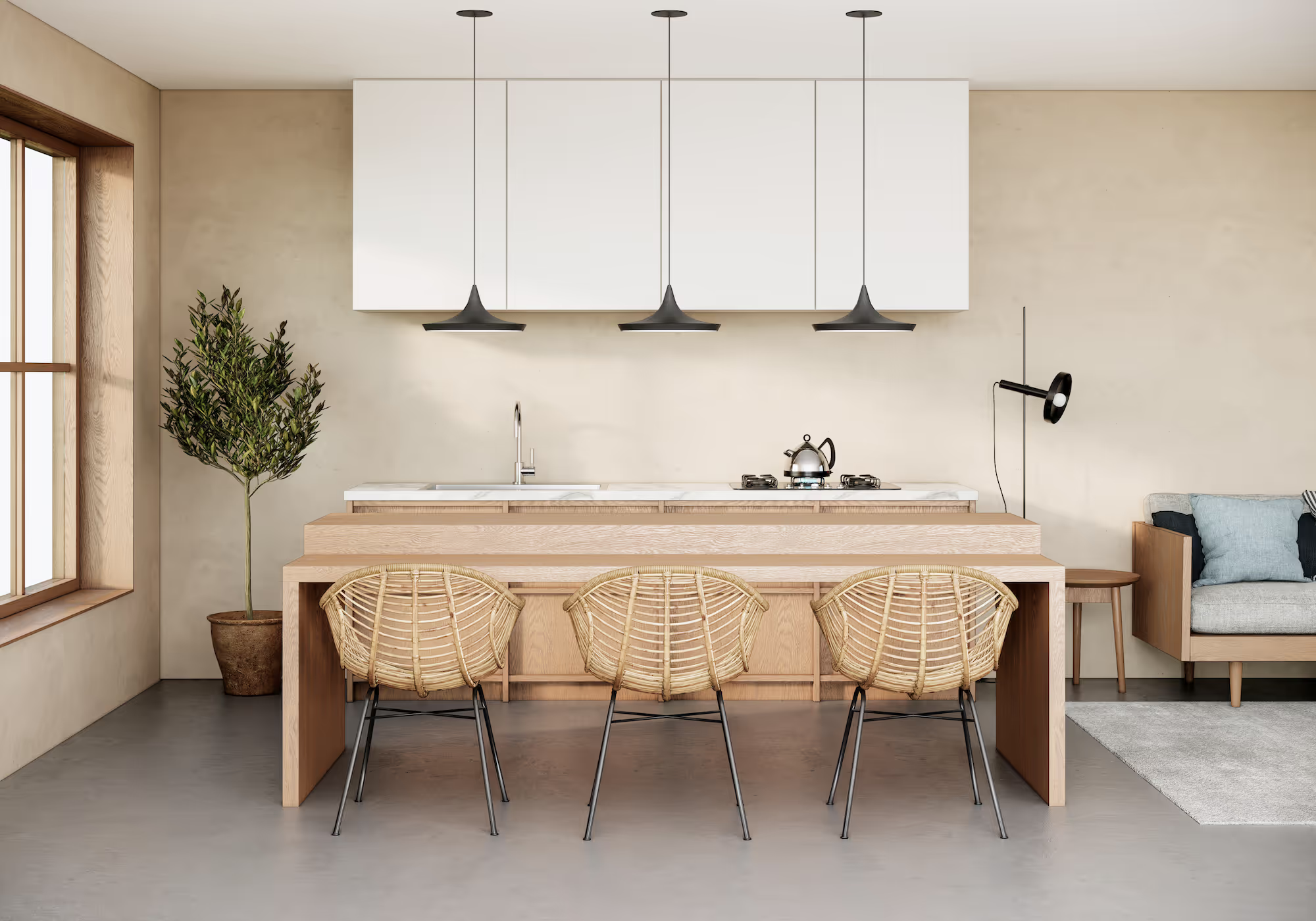
Unlike stark minimalism, Japandi interiors are not purely light or monochromatic. They often include subtle contrast to create visual depth. For example:
- Light wood paired with darker accents
- Black metal details against soft neutrals
- Charcoal tones layered with warm textiles
This balance prevents the space from feeling flat or sterile. Instead, it feels warm, layered, and complete.
What Does a Japandi Room Look Like?
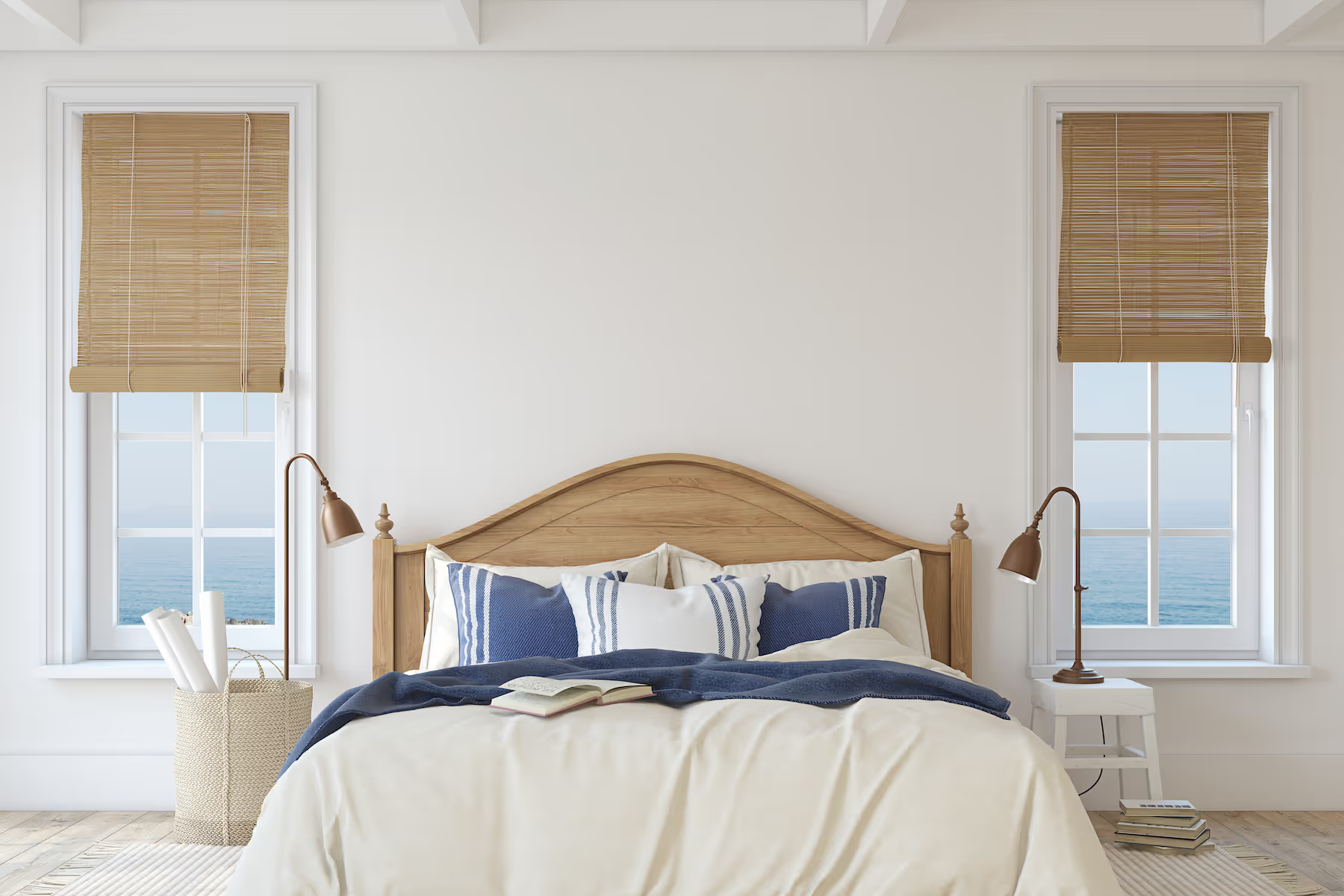
A Japandi-designed room is bright and airy with lots of natural light. Spaces are defined by a select few statement pieces. The muted color palette allows shapes and lines to really take center stage. Accents and furnishings are made from natural materials like rattan, bamboo, wicker, burlap, linen, clay, and terra cotta.
It is typically:
- Bright and airy
- Grounded and natural
- Purposeful and uncluttered
Natural light plays a major role. Windows are often left unobstructed or styled with light, minimal treatments to allow sunlight to shape the space.
Décor is minimal, but not absent. Instead of relying on color, Japandi interiors use texture to create interest—woven baskets, ceramic pieces, soft linens, and subtle layering.
In many ways, the empty space itself becomes part of the design. It allows the room to breathe.
How to Create a Japandi Interior at Home
You don’t need a full renovation to achieve the Japandi aesthetic. Small, intentional changes can gradually transform a space.
Remove Excess Clutter
Start by simplifying. Clear surfaces, reduce visible storage, and remove items that don’t serve a purpose. Use hidden storage, baskets, or built-ins to maintain a clean visual flow. Japandi spaces feel calm because they are not visually overwhelming.
Focus on Functional Statement Pieces
Choose fewer, better pieces. Japanese statement pieces tend to be more sculptural while Scandinavian statement pieces focus on comfort (like a tapestry, cozy sofa, or fluffy pouf). But both styles prioritize function and durability. Look for items that will stay with you for years to come. And consider making a statement with interesting shapes instead of bold color.
Look for furniture that feels both sculptural and practical, such as:
- A low-profile wooden coffee table
- A linen-upholstered sofa
- A handcrafted ceramic lamp
These pieces act as focal points without overpowering the room.
Mix Warm and Cool Elements
Balance is key. Combine Scandinavian light woods with deeper Japanese-inspired tones. This contrast creates visual interest while maintaining a cohesive palette. Too much of one tone can make the space feel flat—balance keeps it dynamic.
Embrace Imperfection
Japandi celebrates authenticity. Look for materials that show natural variation, such as handmade ceramics, textured fabrics, or raw wood finishes. Unfinished woods, imperfect pottery, and bushy house plants bring in the feeling of nature and really embody the wabi-sabi concept.
To fully embrace the Japandi style, try to look for sustainable and eco-friendly materials or maybe even shop from local manufacturers. These imperfections add character and make the space feel more human and less manufactured.
Prioritize Sustainability
Both Scandinavian and Japanese design value longevity. Choose materials and furniture that are durable and timeless rather than trend-driven. Investing in quality pieces reduces waste and creates a more enduring design. Over time, these elements age beautifully and contribute to the character of the home.
Why Japandi Design Feels So Timeless
Japandi is not driven by trends, it’s rooted in principles. Because it focuses on simplicity, quality, and intentional living, it adapts easily over time. It doesn’t rely on bold statements that quickly go out of style.
Instead, it creates a foundation that can evolve while maintaining a consistent sense of calm and balance. That’s why Japandi continues to grow in popularity and not just as a design style, but as a lifestyle approach.
Here’s one last Japanese-ism: ichi-go ichi-e (一期一会). Literally, it means “one life, one encounter.” The phrase has come to encapsulate the transience of life. Things cannot remain the same forever. Change is inevitable, so enjoy the hygge wherever and whenever you can.
Why Japandi Works So Well in Home Staging
Japandi design translates exceptionally well in real estate staging. The style works because it:
- Appeals to a wide audience
- Feels modern yet timeless
- Photographs beautifully for online listings
- Emphasizes open space and flow
Because the aesthetic avoids strong personal statements, it helps buyers imagine their own lifestyle within the home. This balance of neutrality and warmth makes Japandi-inspired interiors highly effective for staging.