What to Do If Your Home Isn’t Selling
Watching your home sit on the market longer than expected can be frustrating. Most sellers anticipate quick showings, strong interest, and competitive offers. When that doesn’t happen, it can feel discouraging but an unsold listing is rarely a dead end.
In most cases, there is a clear reason a home isn’t selling and more importantly, a strategic way to fix it. By evaluating pricing, presentation, and marketing exposure, you can reposition your home, re-engage buyers, and regain momentum in the market.
Key Takeaways If Your Home Isn’t Selling
Before making major changes, start by reviewing these core factors:
- Pricing relative to comparable homes
- First impressions and overall property condition
- Staging and visual presentation
- Listing marketing and exposure
- Local market timing and competition
Even small adjustments in one of these areas can significantly improve buyer interest. In many cases, it’s not a major issue but a subtle mismatch between the home and market expectations.
Why Homes Sit on the Market
In most cases, unsold homes are affected by one or more of these factors such as pricing misalignment, weak presentation or staging, limited marketing exposure, strong competing inventory, or the timing of the market. The key is identifying the primary issue and not guessing. Once the root cause is clear, the solution becomes much more straightforward.
1. Re-Evaluate Your Pricing Strategy
It is wise to consult with your licensed agent and re-evaluate the pricing strategy for your home. By taking into account current market conditions and comparing it to similar properties in the area, you can determine if the initial asking price is appropriate. Gather information on recent home sales in the area to gain an understanding of average selling prices and how quickly properties are selling. Additionally, consider the condition of the property in relation to others in the neighborhood and the demand for homes in the area. This information can aid in adjusting the asking price to align with what buyers are willing to pay.
Pricing is one of the most common reasons homes remain unsold. Today’s buyers are highly informed. They compare listings carefully based on:
- Recent comparable sales
- Active competing listings
- Property condition and upgrades
- Days on market
If your home is priced slightly above market expectations, it may not even make it onto buyers’ shortlists. But pricing is not just about value, it’s also about perception. A well-priced home attracts more online clicks, generates more showings and creates a sense of competition. While an overpriced home gets fewer views, sits longer on the market, and may eventually require price reductions that weaken buyer confidence. This is why pricing should be viewed as a strategy, not just a number. The right price positions your home to compete effectively from day one.
2. Assess Condition and First Impressions
If buyers are touring your home but not making offers, presentation is often the issue. First impressions form quickly and tend to influence how buyers interpret the entire property. Even small details can create hesitation. Making home repairs can increase curb appeal and value allowing for your home to stand out from the crowd.
Evaluate your home from a buyer’s perspective by looking at:
- Curb appeal and exterior condition
- Lighting and overall brightness
- Paint, finishes, and cleanliness
- Flooring condition
- Minor repair needs
Additionally, making improvements to high-impact areas such as the kitchen and bathrooms can provide a significant boost in value for your home.
If cost is a concern, there are still affordable options for improving your home. Simple upgrades such as fresh neutral paint, updated lighting, landscaping cleanup, and professional cleaning can dramatically improve how the home is perceived. These updates signal that the home has been well maintained. Clean, bright spaces feel more move-in ready, which naturally increases buyer confidence.
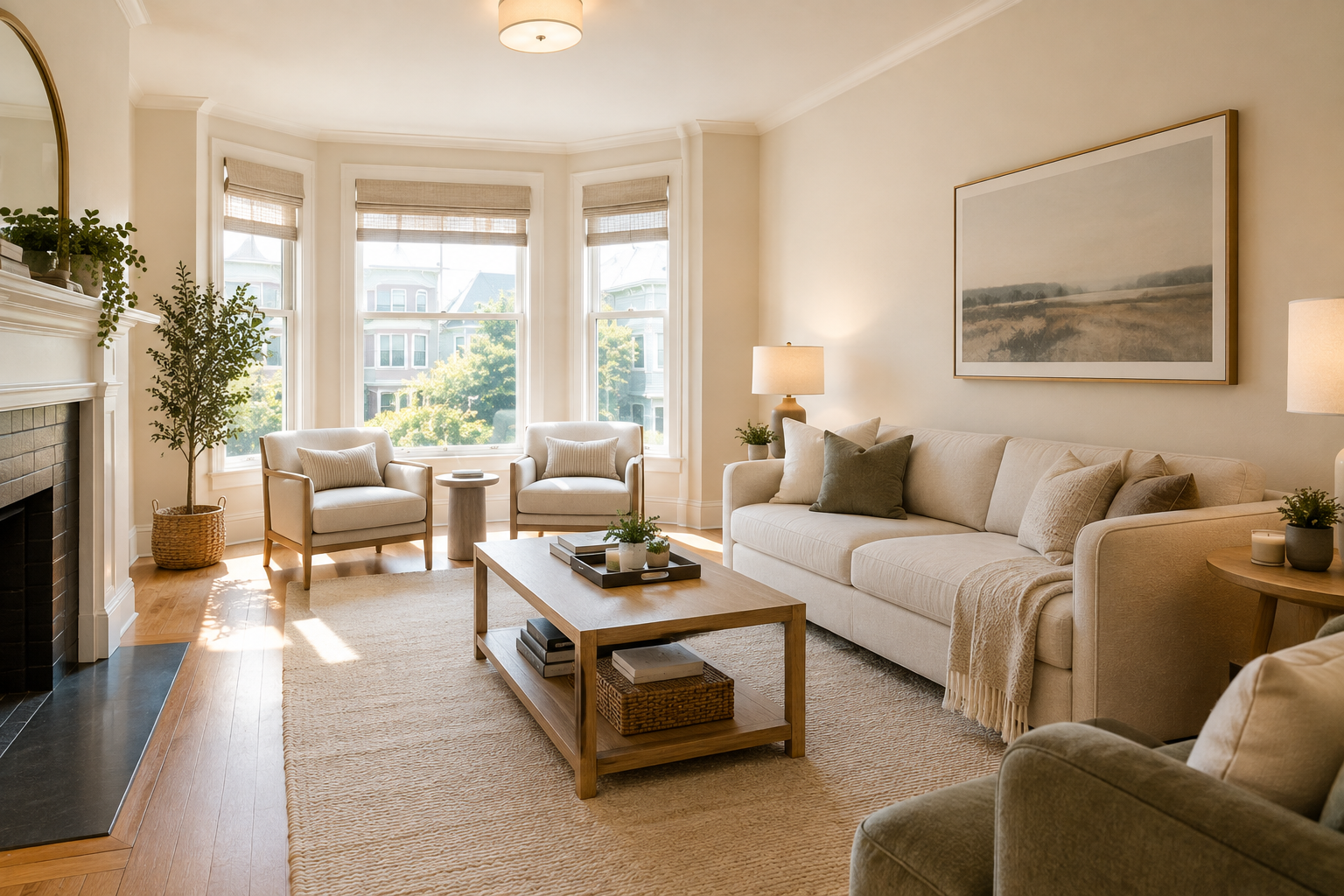
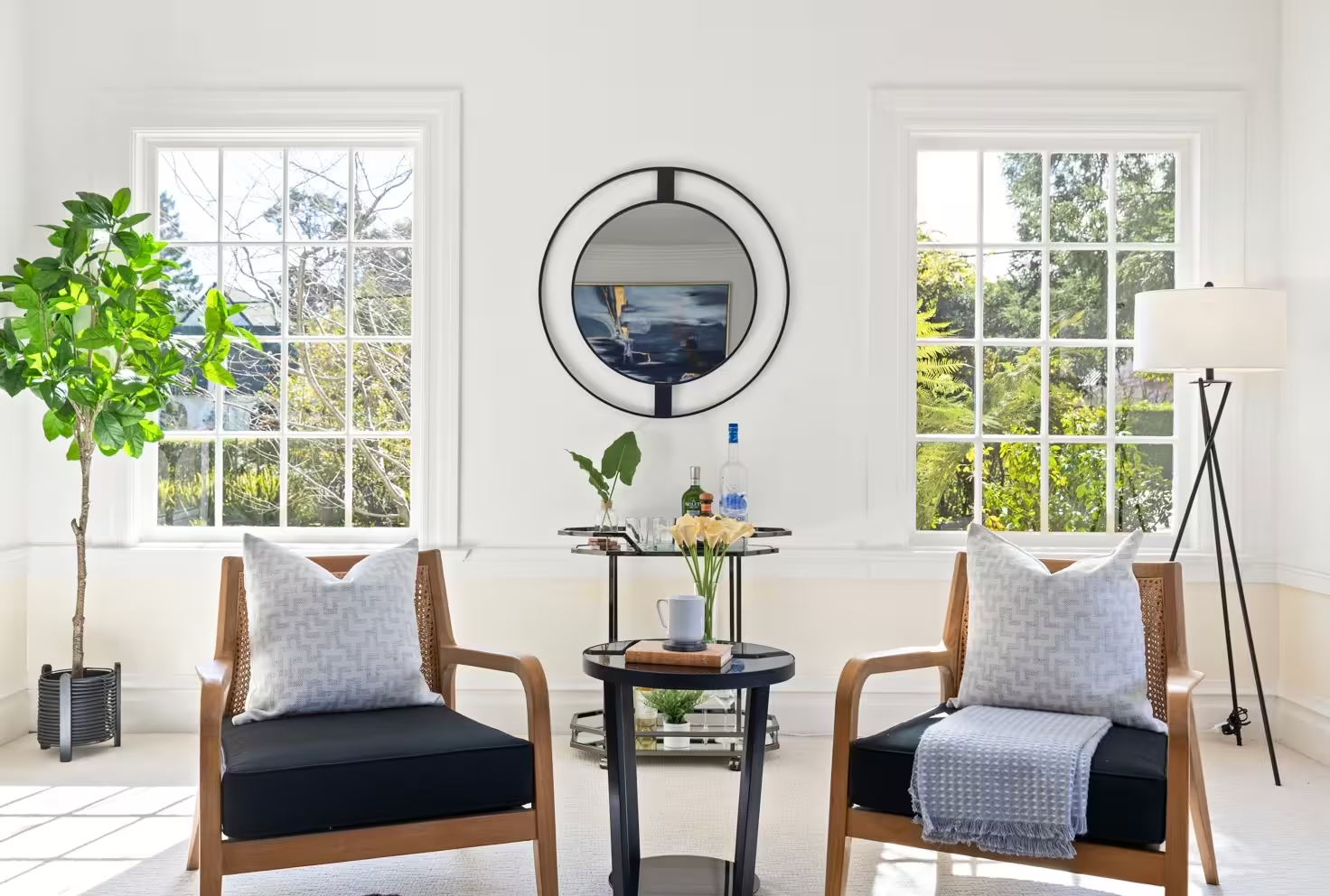
3. Improve Presentation with Strategic Staging
Presentation plays a major role in how buyers emotionally respond to a home. If a property feels empty, cluttered, or overly personalized, buyers may struggle to connect with it. That hesitation often leads to fewer offers. Professional staging helps bridge that gap. It can:
- Improve layout and flow
- Highlight architectural features
- Make spaces feel larger and brighter
- Create a cohesive, move-in-ready impression
Staging is especially effective when a home:
- Has been sitting vacant
- Contains outdated or mismatched furniture
- Feels too personalized
- Did not perform well in initial listing photos
By staging a home, it can create a positive emotional connection with the buyer which can lead to a faster sale and at a better price. A well-staged home can also make the space look larger, more functional, and more inviting. Additionally, staging can help buyers understand the potential of the home, and how they could use the spaces, which can be especially important when the home is empty or has personal touches that could be confusing or turn off to potential buyers.
4. Strengthen Your Marketing Exposure
Even well-prepared homes can struggle if they are not reaching the right audience. Today’s real estate market is driven by online discovery. Most buyers encounter a property digitally before ever visiting in person.mA strong marketing strategy typically includes:
- Professional real estate photography
- Video walkthroughs or drone footage
- Exposure across major listing platforms
- Social media promotion
- Open house opportunities
Strong visuals increase engagement, while broader exposure increases reach. If your listing is not generating enough interest, the issue may not be the property itself; it may be how it is being presented to the market. By casting a wide net, it's likely that the agent will reach potential buyers or individuals who know someone who is in the market to buy a house.
5. Be Open to Strategic Negotiation
Sometimes buyers are interested but hesitant to move forward. Small financial or logistical concerns can delay or prevent offers. Being flexible in these situations can help move a deal forward. Options may include:
- Offering repair credits
- Contributing to closing costs
- Adjusting timelines
- Negotiating inspection items
In many cases, buyers are closer to committing than it appears. A small adjustment can turn hesitation into action. A good agent can help address and resolve any issues that may arise during the sale process, such as problems with their inspection or financing.
Consider Market Timing
Market conditions can influence how quickly a home sells. Buyer activity may shift due to seasonality, interest rates, or broader economic factors. If your home has been on the market for an extended period, a strategic reset may help. You may consider:
- Temporarily withdrawing and re-listing
- Adjusting pricing and reintroducing the home
- Updating staging and marketing
- Exploring short-term rental options
A refreshed listing can feel new to the market and attract renewed attention from buyers.
Repositioning Your Home for a Stronger Sale
An unsold listing is not a failure, it’s feedback. It reveals how buyers are responding to the property and highlights where adjustments are needed. Sellers who respond strategically often see renewed interest, stronger showings, and improved offers. Moreover, it is crucial to consult with your real estate agent to get their expert advice and guidance throughout the process. With the right changes, a home that once struggled on the market can quickly become competitive again and can still be sold successfully.