Bohemian Interior Design Style Guide: A Layered, Artistic Approach to Living
Bohemian interior design often called “boho chic” celebrates creativity, individuality, and layered expression. Unlike minimalist styles that emphasize restraint, bohemian interiors embrace personality. They combine global influences, rich textures, vintage finds, and meaningful objects to create spaces that feel lived-in and soulful. At its core bohemian design (or boho chic) is all about rule breaking, following your spirit, and embracing the controlled chaos that is life. That’s something we can all appreciate.
But how does a style known for its relaxed, eclectic energy still feel intentional? And how has bohemian design evolved into today’s modern boho aesthetic? This guide explores the history, key elements, and practical ways to apply bohemian interior design so it feels curated rather than cluttered.
Key Takeaways About Bohemian Interior Design
Before exploring the details, here are a few defining traits of boho style:
- Layered textiles and textures create warmth and visual depth
- Global influences and vintage pieces add character
- Natural materials such as wood, rattan, and linen are common
- Personal objects and collected décor help tell a story
The goal of bohemian design is not perfection - it is authentic expression balanced with thoughtful styling.
What Is Bohemian Interior Design?
Bohemian interior design is an eclectic and expressive decorating style inspired by artists, travelers, and free-spirited lifestyles, the design is often a bit unusual, with no two rooms ever completely alike. Rather than strict rules or symmetrical layouts, boho interiors focus on comfort, individuality, and creative layering.
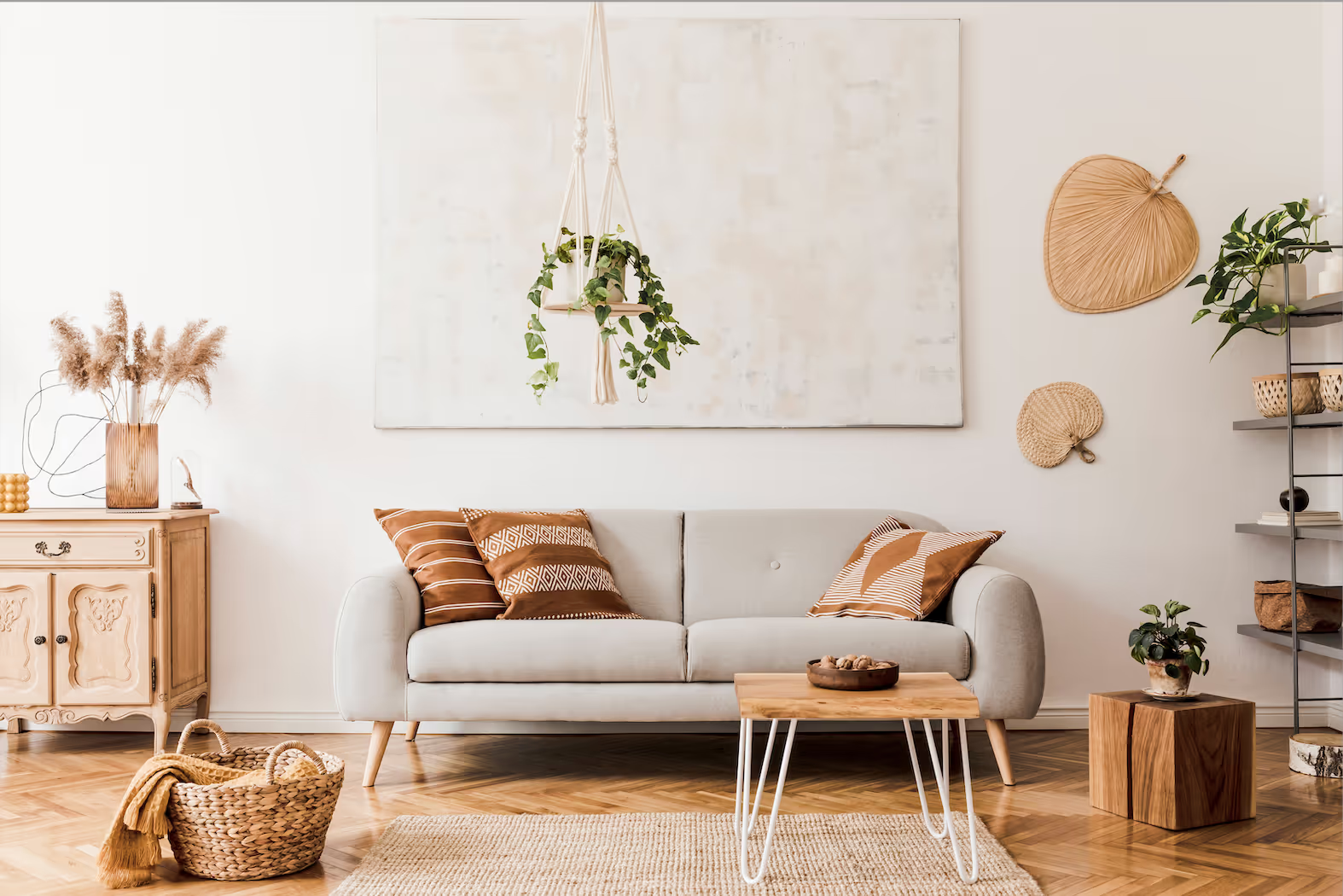
Bohemian materials typically exude a more natural look. Think burlap, sisal, fringe, crochet and macramé. Luxurious fabrics like silk and chenille are also common. Vintage or second-hand furniture items that tell a story are preferred over something brand new. Traditional boho color schemes are deep and bold like an exotic jungle. Think jewel toned greens and purples, warm earthy browns and oranges, and pops of metallics or bright blues. Modern boho, however, tends to incorporate more pastel shades. In both versions white space is used sparingly. The common characteristics include:
- Layered textiles and textures
- Natural materials such as wood, rattan, and linen
- Vintage or secondhand furniture
- Global-inspired patterns and décor
- Personal collections and meaningful objects
Bohemian interior design is rebellion incarnate, and definitely not for the OCD-minded. All your household knick-knacks and travel souvenirs should be displaced front and center. Clutter is welcomed. And if you add a touch of magic, all the better. Unlike traditional design styles, boho interiors rarely feel perfectly matched. Instead, they feel collected over time, reflecting personality and experience.
The Look: How to Recognize Boho Style
Layered Textures and Fabrics
Texture is one of the most recognizable features of bohemian design.
Common elements include:
- Macramé wall hangings
- Crochet or woven details
- Fringe accents
- Silk or chenille throws
- Sisal or jute rugs
Layering rugs, pillows, and textiles creates softness, depth, and visual richness.
Bold or Earthy Color Palettes
Traditional bohemian interiors often feature rich and saturated colors such as:
- Deep greens and purples
- Warm browns and terracotta
- Burnt orange tones
- Metallic accents
Modern boho interiors tend to soften this palette with:
- Cream and warm neutrals
- Muted blush or sage tones
- Pastel accents
- Light natural textures
Neutral backgrounds allow layered décor and textures to stand out without overwhelming the room.
Global and Vintage Influences
Bohemian design often reflects travel, craftsmanship, and cultural inspiration.
You may see elements such as:
- Suzani textiles
- Moroccan-inspired patterns
- Vintage furniture pieces
- Handmade pottery or décor
- Collected heirlooms
Each object contributes to a space that feels personal rather than mass-produced.
The History of Bohemian Design
The term “bohemian” originally referred to artistic communities in 19th-century Europe who rejected traditional social structures. Writers, painters, and musicians embraced unconventional lifestyles centered around creativity and independence. Their homes reflected this philosophy of layered, eclectic, and deeply personal.
The term Bohémien was a French word used to describe the Romani or “gypsy” population of medieval France. The term was inaccurate, however. Perhaps the medieval French people assumed Romani travelled from Bohemia (which was then a kingdom of the Holy Roman Empire and now a region in the Czech Republic). Whatever the origin of the term, Bohémien stuck and it soon became associated with Romani stereotypes: poverty, crime, rebellion, and antisocial behavior.
By the 19th century the poverty-stricken Romani communities were romanticized as carefree vagabonds. This (inaccurate) image of the Romani lifestyle captured the imagination of young artists who were now living in the lower-class and lower rent neighborhoods of former Romani ghettos. Throughout the 1800s poor Parisian artists crystallized Bohemian style as a means of “suffering for one’s art.” It was all about transforming the messy and the unusual into something beautiful. And that ethos has lived on through the 20th century into the 21st.
As the style travelled through space and time, Bohemian design took on a wider range of aesthetics based on the different countries and movements of its artists--from the Beatniks of the 1950s to the hippies of the 1960s, to the disco jammers of the 1970s, to the hipsters of today. Each designer and generation keeps adding their own unique flavor to the style. Now it encompasses folk and mythological motifs from around the world. And the boho style continues to evoke feelings of wanderlust, joy, and the freedom to just be yourself. No wonder boho chic is still popular over 200 years later.
Overall bohemian design evolved through several cultural movements:
- Beatnik culture in the 1950s
- The counterculture movement of the 1960s and 1970s
- Increasing global travel and cultural exchange
- Contemporary minimal-boho interpretations
Today’s bohemian interiors combine these artistic roots with modern comfort and functionality.
Modern Boho vs Traditional Bohemian Style
Traditional bohemian interiors often lean toward maximalism, featuring bold colors, dense layering, and dramatic visual contrast. Modern boho design typically takes a more refined approach. Modern boho spaces often:
- Use neutral foundations
- Simplify patterns and color palettes
- Incorporate cleaner furniture lines
- Blend with Scandinavian or minimalist influences
Despite these differences, both styles share the same core values: creativity, individuality, and comfort.
How to Style a Bohemian Space (Without Looking Cluttered)
Bohemian design works best when layers are added intentionally.
1. Start With a Neutral Base
Neutral walls or large furniture pieces help anchor the space and prevent visual overload.
2. Layer Textiles Gradually
Introduce patterned rugs, throw pillows, and woven accents step by step.
3. Mix Old and New
Combine vintage finds with modern lighting or structured furniture to create contrast.
4. Add Natural Elements
Plants, woven baskets, and wood textures add warmth and organic character.
5. Edit Carefully
Even in boho interiors, thoughtful editing matters. Group objects intentionally rather than scattering them randomly.
The difference between curated and cluttered often comes down to placement and balance.
Quick DIY Tips
The only real rule of bohemian interior design is to let your creative juices flow. Feel free to mix colors and textures that wouldn’t normally go together. Decorate with bold suzani fabrics and fluffy pampas grass in a vase. Weave your own macramé creation and check out the local flea market for interesting finds.
For a cozy “sit and stay awhile” feel, layer pillows and throw rugs. Bed canopies are boho staples. As are comfy poufs and plush couches. Construct a pillow fort or play tent for some unconventional lounging areas. And decorate with ample lamps, lanterns and candles. Embrace nature by adding ferns and hanging plants. Peace lilies and succulents are easy house plants. But you could always opt for faux foliage or forest wallpaper. And don’t forget to showcase any prized handmade items, family heirlooms, or travel souvenirs like vintage bottles, eclectic tapestries, or charming knick-knacks.
Again, the perfect bohemian design is one that makes you happy. Keep the aesthetic casual if that’s what you like. Or, if that’s not your jam, zhuzh it up with some glamorous accessories. Hang a beaded chandelier or chunky mirror, swap out the homey decor for some gold ceramic vases, or choose monochromatic patterns for a more modern feel.
When in doubt crank up the incense, grab a paint brush, and pretend it’s Summer 1969.
Bohemian Style in Home Staging
Full bohemian interiors can sometimes feel highly personal, which may not always appeal to a broad group of buyers. However, subtle boho-inspired elements can work beautifully in staging.
Examples include:
- Textured throw pillows
- Woven area rugs
- Pampas grass or natural dried arrangements
- A vintage accent chair
- Light macramé wall décor
These touches add warmth and character without overwhelming potential buyers. In staging, the goal is always balance personality without distraction. Working with professional home staging services can help ensure design elements support buyer appeal rather than compete with it.
%20(1).avif)