



When you're preparing your home for sale, one of the first questions that comes up is whether staging companies sell the furniture they use. The short answer is: sometimes, but it's not their primary business model. Most professional staging companies work on a rental or lease basis, meaning the furniture comes in for the duration of your listing and leaves once the home is sold or the contract ends.
That said, the world of home staging is more nuanced than a simple yes or no. Whether you're a seller trying to understand your options, a real estate agent advising clients, or someone who just fell in love with a staging setup and wants to buy pieces outright, this article walks you through everything you need to know about how staging companies operate, where their furniture comes from, and what it actually costs to stage a home in 2026.
How Home Staging Actually Works (and Why It Isn't a Furniture Store)
Home staging is a real estate marketing service, not a retail operation. Staging companies are hired to make a property look its absolute best for listing photos, open houses, and showings. Their goal is to help buyers emotionally connect with the space so that properties sell faster and closer to (or above) asking price.
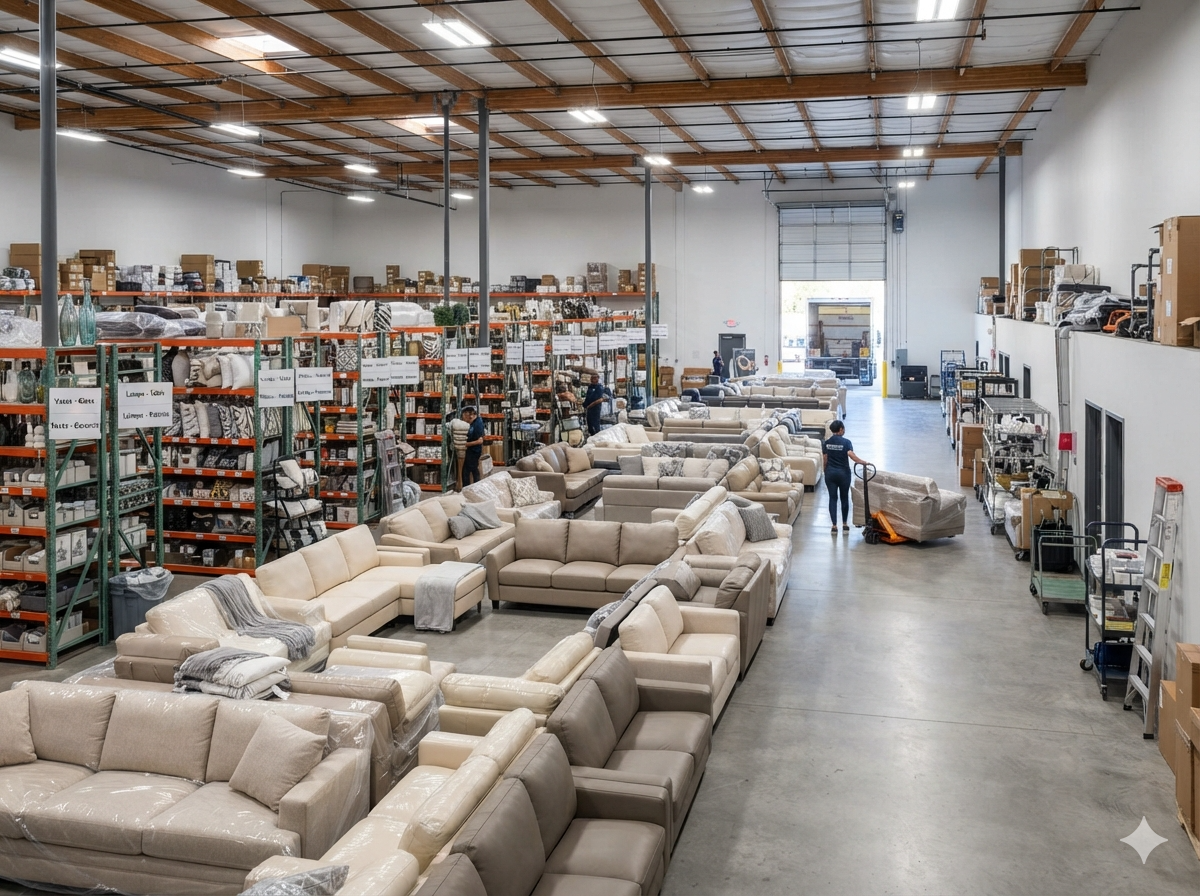
Because staging is a service, the furniture is considered inventory, not stock for sale. A staging company might own hundreds of sofas, dining tables, artwork pieces, lamps, and accent chairs. These items rotate through multiple properties throughout the year. Selling a piece of furniture would mean pulling it from their available inventory, which hurts their ability to take on new clients.
That said, some staging companies do occasionally sell off older inventory when they're updating their collections. Think of it like a restaurant selling kitchen equipment it no longer needs. It happens, but it's not the core offering. If you've seen a staging setup and want to purchase specific pieces, it's always worth asking directly. The worst they can say is no.
For a clear picture of what professional staging looks like in practice, browsing a portfolio of past projects is one of the best ways to understand the range and quality of furniture a staging company works with.
Where Staging Companies Source Their Furniture
Staging companies typically build their inventory through a mix of wholesale purchasing, trade accounts, and direct relationships with furniture manufacturers or distributors. Because they're buying in volume and doing so regularly, they often qualify for trade pricing that isn't available to the general public.
Here's a breakdown of common sourcing channels:
- Wholesale and trade accounts: Many stagers have accounts with major furniture brands that offer 20 to 40 percent below retail, allowing them to keep their inventory fresh without massive overhead.
- Furniture rental companies: Smaller staging operations sometimes partner with furniture rental services rather than owning everything outright.
- Liquidation and closeout sales: Stagers keep an eye on clearance events and manufacturer closeouts to stock up on quality pieces at reduced prices.
- Estate sales and auctions: For unique accent pieces or artwork, some stagers shop estate sales, flea markets, and local auctions.
- Custom orders: High-end staging companies may commission custom upholstery or cabinetry to create a cohesive, elevated look across multiple properties.
This sourcing strategy is part of what makes professional staging companies cost-effective relative to the value they provide. They're not paying full retail for a sofa that sits in one living room. That sofa might stage four or five homes over the course of a year.
What It Actually Costs to Stage a Home
Staging costs vary significantly depending on your location, the size of the home, how many rooms are being staged, and whether the property is vacant or occupied.
Here's a general pricing breakdown to help you set expectations:
These figures are estimates based on typical market ranges across the United States in 2026. Costs in high-demand markets like New York City, Los Angeles, or San Francisco tend to run higher, while mid-size and rural markets are generally more affordable.
It's also worth knowing that many staging companies charge a setup fee separate from the monthly rental rate. The setup fee covers delivery, installation, and styling. If your home sells quickly, you may pay one month of rental plus the setup. If it sits on the market for several months, rental costs accumulate.
The best way to get an accurate number for your specific situation is to use a staging calculator at , which takes the guesswork out of budgeting based on your home's details before you even pick up the phone.
What Types of Furniture Work Best for Staging
Not every piece of furniture is well-suited for staging. The goal of staged furniture is to help buyers visualize themselves living in the space, which means the decor needs to be neutral, appropriately scaled, and free of anything too personal or polarizing.
Sofas and seating: Clean-lined sofas in neutral shades like ivory, warm gray, or taupe are the go-to for living rooms. Avoid bold patterns or dark colors that can make a room feel smaller in photos.
Dining tables: Round or rectangular tables with simple bases work universally. A six-seat dining setup tends to photograph well and signals enough entertaining space without overwhelming smaller rooms.
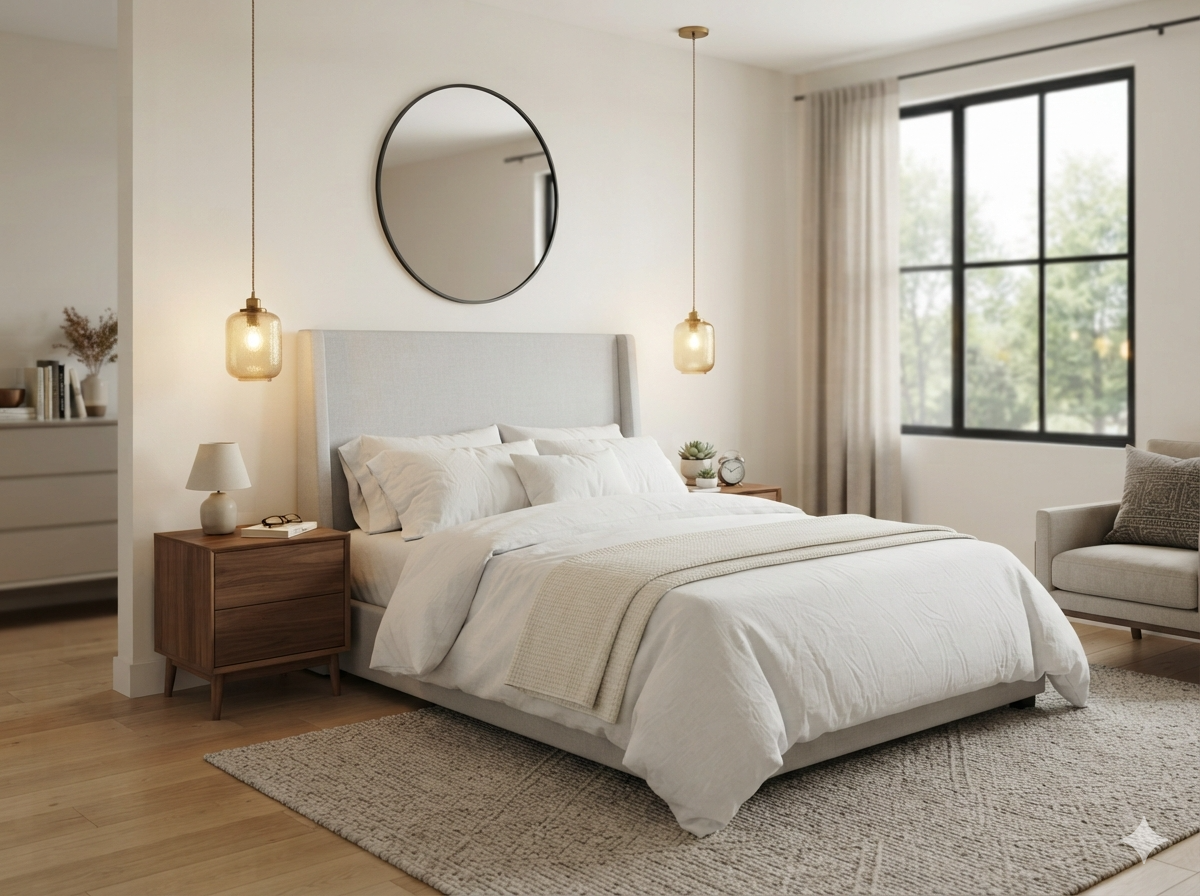
Beds and bedroom furniture: A neatly staged bedroom with a platform bed, crisp white bedding, and simple nightstands consistently performs well with buyers. The bed should be appropriately sized for the room.
Accent pieces: Lamps, throw pillows, area rugs, and artwork add warmth and personality without being distracting. These small touches are often what elevate a staged room from looking sterile to feeling inviting.
What to avoid: Furniture that's too large for the space, highly personalized decor, anything that looks obviously temporary or cheap, and clutter of any kind. The goal is always to make the space feel livable but aspirational.
If you're curious about the transformation staging furniture can create, checking out some before after comparisons gives you a real sense of how much a professional setup changes the feel of a property.
Do Staging Companies Sell Furniture Directly to Buyers?
Circling back to the original question: do staging companies sell furniture? The answer depends heavily on the company. There are a few different scenarios you might encounter:
Scenario 1: No sales at all. Many staging companies have a strict policy against selling their inventory because every piece sold is one fewer item available for future projects. This is the most common setup for mid-to-large staging operations.
Scenario 2: Occasional clearance sales. Some staging companies hold annual or semi-annual warehouse sales where they offload older inventory to make room for newer pieces. These events can be a great opportunity to purchase quality furniture at below-retail prices.
Scenario 3: A hybrid model. A smaller number of companies operate both a staging service and a retail or consignment component. In these cases, you may be able to purchase staged items directly, sometimes even while the home is still listed.
Scenario 4: Furniture rental companies with staging add-ons. Some furniture rental businesses offer a staging consultation service as an add-on. These companies are more likely to sell furniture since retail is already part of their operation.
If you're specifically looking to purchase high-quality staging furniture at a discount, the most direct approach is to contact staging companies in your area and ask whether they hold inventory sales or have a consignment arrangement.
For sellers and agents, the focus should really stay on staging as a service rather than a furniture acquisition opportunity. The ROI of professional staging comes from selling your home faster and at a better price, not from keeping the sectional sofa afterward.
To understand the full range of what a staging service involves, reviewing the available services at a professional staging company gives you a much clearer picture of what's included and what to expect.

Why Professional Staging Pays Off for Sellers
Beyond the furniture question, it's worth understanding why staging is considered one of the highest-return investments a seller can make before listing. Real estate professionals consistently report that staged homes spend less time on the market compared to unstaged properties, and they tend to attract more competitive offers.
There are a few reasons for this. First, the overwhelming majority of buyers begin their home search online, which means listing photos drive initial interest. A professionally staged home photographs dramatically better than an empty or cluttered one. Second, vacant homes can feel cold and oddly sized in person. Staging gives buyers spatial reference points so they can actually picture themselves living there. Third, staged homes project a sense of care and quality that buyers associate with the overall condition of the property.
When you weigh the cost of staging against the potential upside in your final sale price, the math often works heavily in favor of investing in professional staging, particularly in competitive markets.
If you're ready to find out what staging would cost for your specific property, contact us to get a personalized consultation and see how BoldRM can help you present your home at its very best.
Frequently Asked Questions
Q: Where do staging companies get furniture?
Staging companies source their furniture primarily through wholesale trade accounts, direct manufacturer relationships, and furniture rental partnerships.
Because they purchase in volume and do so consistently throughout the year, staging companies often qualify for trade pricing that sits well below standard retail rates. Some also attend liquidation events, estate sales, and industry trade shows to keep their inventory fresh and varied without inflating their overhead costs.
Q: How do stagers get their furniture?
Professional stagers build their inventory over time by opening trade accounts with furniture brands, buying wholesale, and occasionally partnering with rental companies to supplement what they own outright.
Newer stagers often start with a modest collection and grow it strategically as their client base expands. More established operations may own hundreds of individual pieces that rotate through multiple properties across the year, which is how they keep per-project costs manageable while still delivering a polished, cohesive look for every listing.
Q: How much does staging furniture cost?
Staging furniture costs are typically bundled into the overall staging fee, which ranges from roughly $1,000 for partial staging of key rooms to $6,000 or more for a fully vacant home.
You generally won't see a separate line item for furniture. Instead, staging companies charge a one-time setup or installation fee plus a monthly rental rate that covers all furniture, decor, and accessories for the duration of the listing. The exact cost depends on your home's size, your local market, and how many rooms are included in the scope of work.
Q: What furniture is best for staging?
Neutral, clean-lined furniture in versatile tones like warm gray, ivory, and taupe consistently performs best for staging because it appeals to the widest possible pool of buyers.
The priority is always to complement the home without overshadowing it. Sofas with simple silhouettes, round or rectangular dining tables with understated bases, platform beds dressed in crisp white bedding, and subtle accent pieces like lamps and area rugs are the reliable staples of well-executed staging. Anything too bold, too personal, or too ornate tends to pull a buyer's focus away from the home's actual features, which is the opposite of what good staging is designed to do.
Q: What not to do when staging a house?
Avoid oversized furniture, heavy personalization, polarizing color choices, and any form of clutter, as each of these can make a space feel smaller, less appealing, and harder for buyers to picture themselves living in.
Another frequent mistake is staging only the main living areas while leaving secondary bedrooms, bathrooms, and outdoor spaces bare or disorganized. Buyers walk through the entire home, and a jarring contrast between a beautifully styled living room and a neglected spare room weakens the overall impression. Consistency across every space, even if some rooms receive lighter staging than others, is what separates a good staging job from a great one.
Where to Go From Here With Do Staging Companies Sell Furniture
Understanding that do staging companies sell furniture is mostly a secondary consideration helps you focus on what actually matters: using professional staging as a strategic tool to sell your home faster and for a stronger price. Staging companies are in the business of transformation, not furniture retail. Their inventory exists to serve your listing, and that service is where the real value lies.
If you're ready to stop wondering and start planning, BoldRM makes it easy to take the next step. Use the staging calculator to get a personalized cost estimate based on your home's specifics, then contact us to talk through your timeline and goals with a staging professional who can put together a plan that works for your property and your budget.

%20(1).avif)
