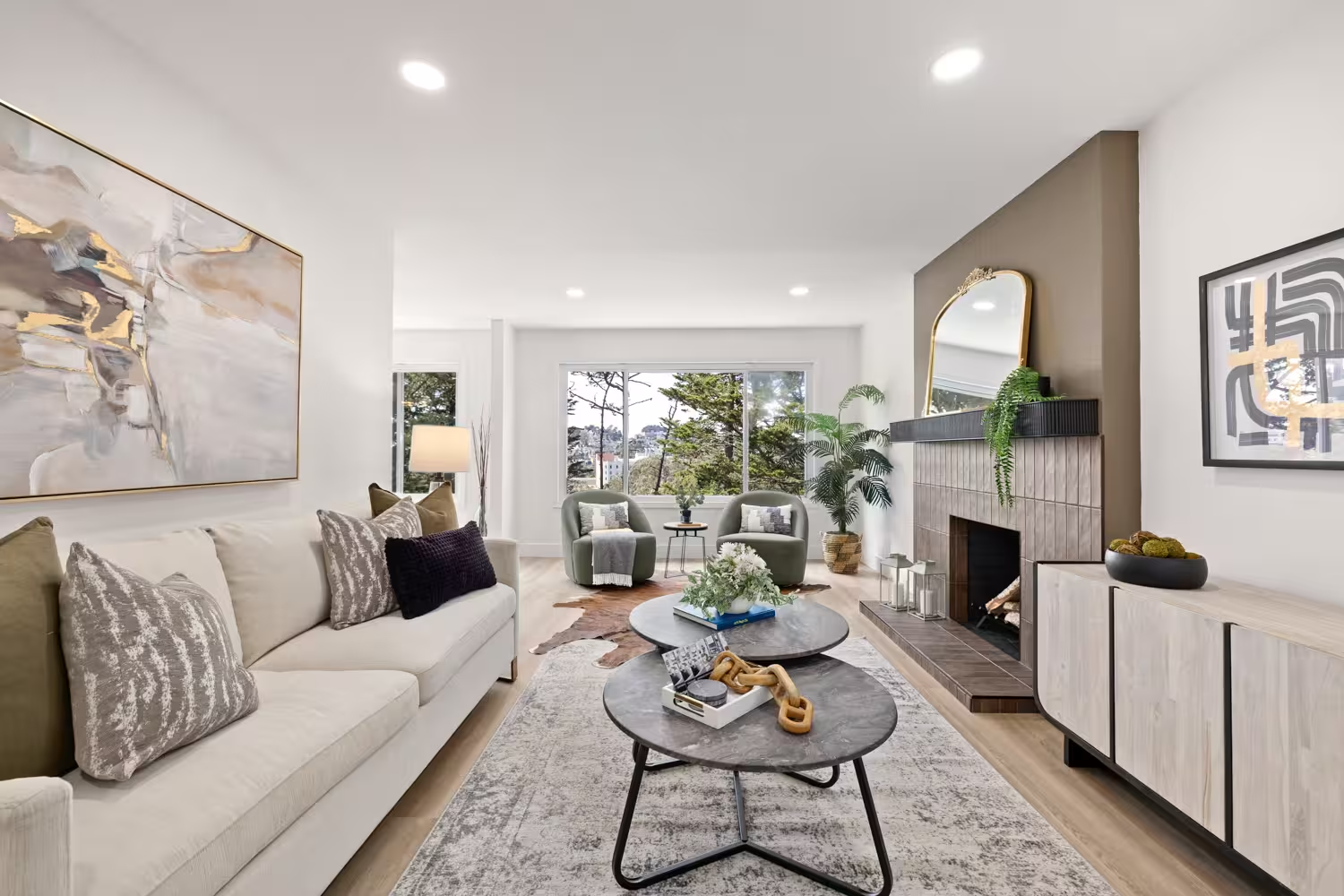
How Much Does Home Staging Cost in 2026?
Home staging can significantly influence how buyers perceive a property but for many sellers, the first question is simple: how much does home staging cost?
The cost to stage a house varies based on factors like whether the home is vacant or occupied, how many rooms are staged, and the level of design involved. In this guide, we break down home staging costs for 2026, explain what’s typically included, and share real-world pricing scenarios so sellers can plan with confidence.
How Much Does Home Staging Cost on Average?
On average, professional home staging typically costs from $3,000 to $10,000, depending on the size of the home and the scope of staging.
For larger homes with more space to furnish and style, full-home staging often falls in the $5,000 to $10,000 range, especially when several living areas and bedrooms are staged. Smaller homes or condos tend to cost less, with staging prices commonly ranging from $3,000 to $5,000.
Home staging costs typically cover the full process of preparing a home for the market, not just the furniture itself. This usually includes:
- Initial Consultation and Staging Plan
This is where the stager walks through the home, evaluates the layout, and creates a clear plan for how each space should be presented to appeal to buyers. - Furniture and Décor Selection Tailored to the Home
Furniture, artwork, rugs, lighting, and accessories are selected specifically to fit the home’s size, style, and target buyer, rather than using generic pieces. - Delivery, Installation, and Professional Styling
This includes transporting the furniture to the property, placing each piece, and styling the space so it photographs well and feels balanced during showings. - Furniture and Décor Rental for Two to Three Months
Most staging projects include a rental period that covers the initial listing window, allowing the home to remain staged for showings and open houses. - Removal Once the listing Period Ends
After the home sells or staging is no longer needed, the stager schedules removal of all rental items, completing the process.
How Does Home Staging Cost Differ Between Occupied and Vacant Homes?
One of the biggest factors that affects home staging cost is whether a property is occupied or vacant at the time of staging.
Occupied homes are often assumed to be cheaper to stage, but that isn’t always the case. While stagers can use some existing furniture, the process still involves decluttering, rearranging layouts, adding rental pieces, and styling key rooms. For occupied homes, staging costs often fall in the low-to-mid thousands and can range up to $5,000 or more, depending on the size of the home and how much styling is needed.
Vacant homes require furniture, décor, delivery, installation, and removal. However, vacant staging can start at a lower price point for smaller properties. For example, staging a small condo or one-bedroom unit (around 800–1,000 sq ft) can begin at around $3,000. Costs increase as the home gets larger or requires more rooms to be staged.
Typical vacant staging ranges:
- Small condo / 1-bedroom (800–1,200 sq ft): ~$3,000–$5,000
- Mid-size home (1,200–2,000 sq ft): ~$5,000–$8,000
- Large home (2,000+ sq ft): ~$8,000–$10,000+
In practice, vacant staging can be more affordable for smaller homes, while occupied staging is not always cheaper if significant styling, furniture adjustments, or additional rentals are needed. Staging costs naturally scale with the size of the home, the number of rooms staged, and the overall design level. This is why professional staging quotes are usually customized - the most effective staging plan depends on the home’s condition, layout, and sales strategy, not simply on whether the property is occupied or vacant. Because smaller homes already require fewer pieces, partial staging may not significantly reduce costs. In larger homes, however, partial staging often offers better value, making the investment feel more worthwhile overall.
What Affects Home Staging Costs in the Bay Area?
In the Bay Area, staging costs are less about “furniture rental” and more about how a home needs to be positioned in a highly competitive, visually driven market. Pricing reflects not just size, but the level of clarity, presentation, and buyer expectation required for that specific property.
- Home Size and Scope
Staging costs in the Bay Area often scale with the size of the home, but more importantly, the scope of work involved. Smaller one-bedroom condos typically fall in the $3,000 to $5,000 range, while larger three- to four-bedroom homes can reach $7,000 to $10,000 or more—depending on how many rooms are staged and the level of design required.
- Occupied vs. Vacant Homes
Partially staging an occupied home is not always significantly cheaper. Working around existing furniture, rethinking layouts, and adding rental pieces can make the process nearly as complex as staging a vacant home—especially in larger properties.
- Minimum Service Contracts
Most staging companies in the Bay Area require a two- to three-month minimum rental period. This reflects how listings are marketed and shown, and helps explain why staging costs are typically not calculated on a short-term or daily basis.
- Agent Involvement in Staging Costs
In some cases, real estate agents may choose to include staging costs as part of their overall strategy, particularly for higher-end listings where presentation plays a critical role in attracting buyers.
- Local Expectations Quietly Set the Standard
In some cases, real estate agents may choose to include staging costs as part of their overall strategy, particularly for higher-end listings where presentation plays a critical role in attracting buyers.
Staging costs aren’t just tied to the home, they’re tied to how the home needs to compete. And in a market where first impressions happen quickly and comparisons are constant, investing in the right level of presentation often determines how a listing performs from the very first moment it’s seen.
Disclaimer: Costs are estimates and can vary significantly based on the specific neighborhood, the stager, and the level of luxury requested.
How Can You Reduce Home Staging Costs Without Sacrificing Results?
Reducing staging costs isn’t about doing less, it’s about investing where buyers actually feel it. Not every room carries the same weight in a listing. Buyers form opinions quickly, often based on a few key spaces that define how the home lives and how it’s remembered. When those moments are clear and compelling, the rest of the home doesn’t have to work as hard.
Here’s how to approach staging more strategically:
- Focus on Key Rooms First
Prioritize spaces buyers care about most, such as the living room, primary bedroom, and kitchen. These areas have the biggest impact on first impressions. - Prepare the Home Before Staging
Decluttering, cleaning, and handling small repairs ahead of time can reduce the amount of styling and rental furniture needed. - Use Existing Furniture When Possible
For occupied homes, reworking what’s already there can help lower rental costs, as long as the pieces suit the space and layout. - Plan the Staging Timeline Carefully
Scheduling staging close to the listing date helps avoid extended rental periods and unnecessary fees. - Work with an Experienced Local Stager
A stager who understands the market can help you invest in the right areas, preventing overspending on elements that won’t add real value.
Thoughtful planning doesn’t mean cutting back, it means removing what buyers don’t need to see, and focusing on what helps them understand the home faster.
Plan Your Home Staging Budget with Clarity
Staging costs aren’t just numbers - they shape how a listing is positioned from the very beginning. When budget, scope, and timeline are clear early on, it becomes easier to make faster decisions, align expectations, and avoid last-minute adjustments that can slow a listing down.
For agents managing multiple listings or working within tight timelines, having visibility into staging from the start can simplify coordination across vendors, marketing, and launch schedules. It also allows you to position the home more confidently, knowing how presentation supports pricing and overall strategy.
Tools like the boldRM Agent Dashboard are designed to bring that clarity into one place - helping you plan, adjust, and move forward with more control throughout the staging process.

%20(1).avif)