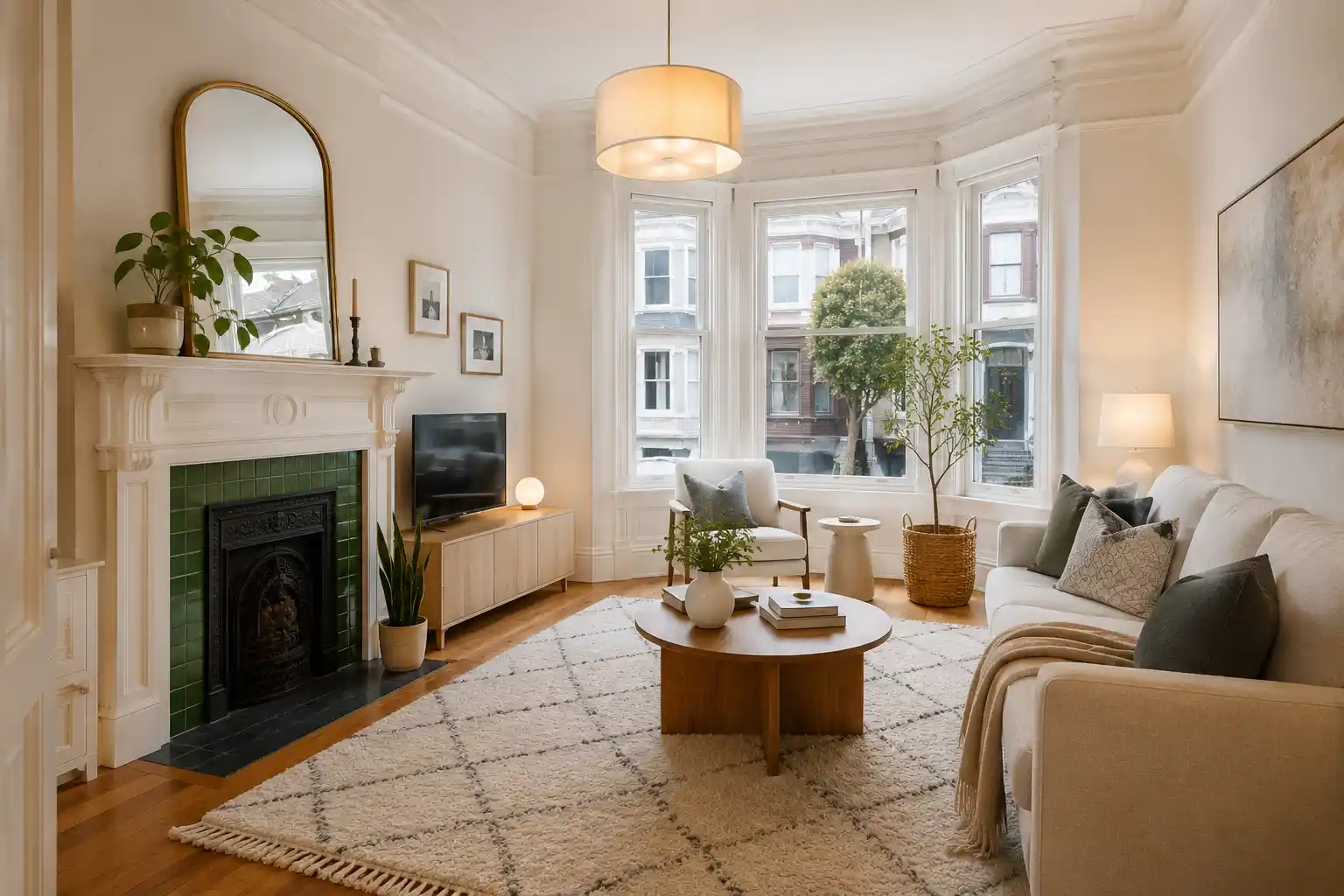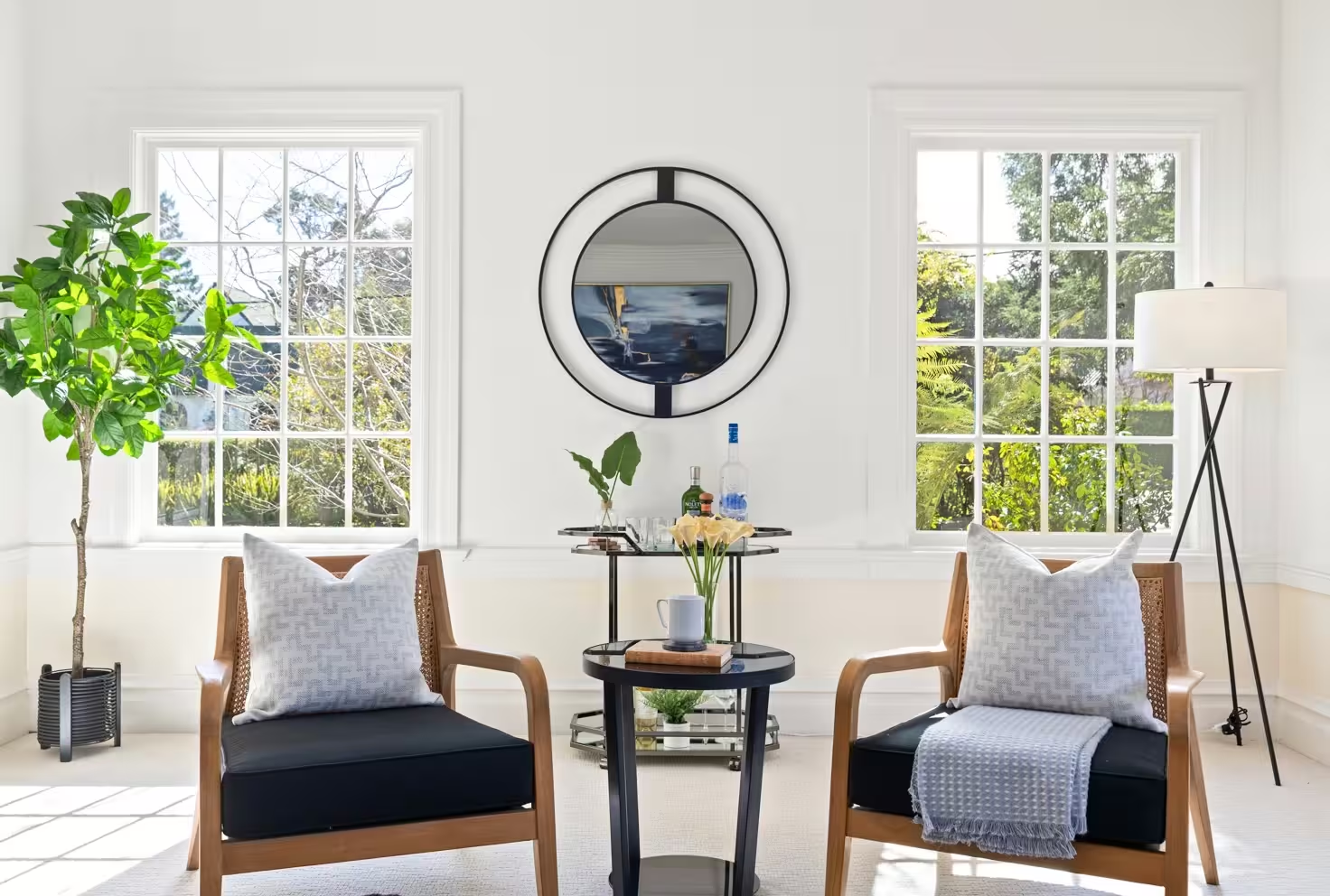
The Dos and Don’ts of Home Staging: How to Stage Your Home Successfully
Home staging is often confused with interior decorating, but the two serve very different purposes. While interior design reflects personal style and taste, home staging focuses on presenting a property in a way that appeals to the widest range of potential buyers.
The goal of staging is simple: create a neutral, welcoming environment where buyers can easily imagine themselves living. When done correctly, home staging can increase a property's perceived value, improve listing photos, and help homes sell faster. However, staging mistakes can have the opposite effect, making a property feel uninviting or difficult for buyers to visualize.
Based on our experience staging homes throughout the San Francisco Bay Area, here are the most important home staging dos and don’ts every homeowner should understand before listing a property.
Key Home Staging Takeaways
Before diving into the details, here are a few important staging principles to keep in mind:
- Buyers need to picture themselves living in the home
- Neutral design helps attract a broader range of buyers
- Proper staging highlights a home’s strongest features
- Small design choices can significantly affect buyer perception
Understanding these principles makes it easier to avoid common staging mistakes and present your home effectively.
Don’ts of Home Staging
What to avoid before listing your home.
1. Don’t Use Personal Style as Your Staging Guide
One of the most common staging mistakes is approaching staging like personal interior design. Buyers are not evaluating your taste - they are evaluating whether the home feels like a place they could live.
Highly personalized décor can distract buyers and make it harder for them to imagine the space as their own.
Avoid:
- Bold or highly personalized paint colors
- Niche décor that reflects specific tastes
- Unusual furniture arrangements
Instead, choose neutral colors, simple décor, and clean furniture layouts that help buyers focus on the home itself.
2. Don’t Leave Rooms Feeling Empty or Cold
Minimal design does not mean empty space.
Completely empty rooms can feel uninviting and make it difficult for buyers to understand how the space should function. They can also appear smaller in photos and feel unfinished during showings.
Avoid:
- Leaving rooms completely empty
- Skipping rugs or soft furnishings
- Relying on bare walls and floors
Thoughtful furniture placement, area rugs, and simple accessories can help a space feel warm without creating clutter.
3. Don’t Rely on a Single Color or Design Style
Using only one color palette or design style can cause a room to feel flat and lifeless. When walls, furniture, and décor all blend together, rooms lose depth and visual interest especially in listing photos.
Good staging uses subtle contrast through materials, textures, and lighting to create a balanced and inviting environment.
4. Don’t Hide Structural or Mechanical Issues
Home staging is not meant to hide problems with the property. Major issues such as roofing damage, plumbing concerns, or electrical problems should always be addressed before staging begins.
Most buyers will conduct a professional inspection before closing, and attempting to conceal problems can damage trust and jeopardize the sale.
5. Don’t Ignore the Exterior
First impressions begin before buyers even walk through the door. If the outside of the property looks neglected, buyers may assume the interior is poorly maintained as well.
The exterior should feel clean, welcoming, and well cared for so buyers feel encouraged to explore the rest of the home.
6. Don’t Try to Do Everything Yourself
Home staging involves far more than simple cleaning or rearranging furniture.
Preparing a home for the market often requires:
- Deep cleaning
- Minor repairs
- Furniture placement
- Lighting adjustments
- Strategic styling
Trying to handle everything alone can be overwhelming and may prevent the home from being presented at its full potential.
Dos of Home Staging
What helps attract buyers and sell faster.
1. Do Involve the Seller in the Staging Process
While professional stagers and real estate agents typically guide the staging strategy, involving the seller is still important. Clear communication helps ensure a smooth staging process. Helpful practices include:
- Communicating timelines clearly
- Working around the seller’s schedule
- Providing progress updates
Collaboration helps everyone stay aligned during the preparation and listing process.
2. Do Declutter and Depersonalize
Decluttering is one of the most effective ways to improve how a home feels during showings. Too many personal items can make buyers feel like guests rather than potential homeowners. Common decluttering steps include:
- Removing family photos and personal collections
- Clearing countertops and surfaces
- Packing away memorabilia and excess décor
The goal is to transform “your home” into a home that buyers can imagine living in.
3. Do Create Contrast and Visual Interest
Good staging creates balance between simplicity and visual interest. Mixing textures, materials, and shapes helps make rooms feel more inviting and dynamic. Examples include:
- Combining wood, metal, and fabric elements
- Using round furniture in rectangular spaces
- Layering rugs, lighting, and pillows
These details add warmth and dimension without overwhelming the space.
4. Do Minimize Flaws and Highlight Assets
Strategic staging can help emphasize the strongest features of a home. Rather than focusing on imperfections, staging draws attention to positive elements of the property. Helpful techniques include:
- Highlighting natural light and windows
- Using artwork to distract from minor imperfections
- Creating focal points within each room
These techniques help buyers focus on the overall experience of the home.
5. Do Improve Curb Appeal
Small exterior improvements can dramatically improve a buyer’s first impression. Simple upgrades may include:
- Cleaning walkways and driveways
- Trimming landscaping
- Refreshing the front door
- Repairing visible exterior issues
These improvements help create a welcoming entrance that encourages buyers to explore the interior.
6. Do Hire a Professional Home Staging Service
Professional home stagers understand buyer psychology, spatial planning, and current real estate trends. An experienced staging team can identify what changes will have the greatest impact on buyer perception and listing performance.
At BoldRM Interior Group, we stage homes throughout the San Francisco Bay Area and help sellers present their properties in the best possible light. A professional home staging consultation can help you determine exactly what your home needs to stand out in today’s competitive market.
Manage Your Home Staging Projects More Efficiently
For real estate agents, successful home staging is not only about design, it also involves coordination, scheduling, and communication.
The BoldRM Agent Dashboard helps agents manage staging projects more efficiently by allowing them to:
- Track staging progress
- Access listing photos
- Monitor project updates
- Keep listings moving forward
Already working with BoldRM? Explore the Agent Dashboard to manage your staging projects in one place.