
Home staging typically takes anywhere from one day to two weeks, depending on the size of your home and the level of staging required. Understanding the full timeline before you list is one of the smartest moves you can make as a seller.
If you've ever watched a house sit on the market while a nearly identical property down the street sells in days, the difference often comes down to presentation. Staging is not just about making a home look pretty — it's a strategic process with real phases, real prep work, and real deadlines that need to align with your listing date. Whether you're selling a studio condo or a five-bedroom colonial, knowing how long each phase takes helps you avoid the scramble that catches so many sellers off guard.
The Phases of Staging and How Time Breaks Down
Home staging is rarely a single appointment. It unfolds in stages, each with its own timeline. Here is a realistic breakdown of how the process typically flows.
Phase 1: Consultation (1 to 3 Hours)
Most staging projects begin with a professional walkthrough. A stager visits your home, evaluates each room, notes what needs to be removed, repaired, repainted, or rearranged, and produces a written staging plan. This consultation usually lasts one to three hours for an average-sized home. You may receive the written report within 24 to 48 hours after the visit.
At this stage, a stager from a team like will identify which rooms carry the most weight with buyers, typically the living room, primary bedroom, and kitchen, and prioritise accordingly.
Phase 2: Decluttering and Deep Cleaning (2 to 7 Days)
Before any furniture or decor can be placed, your home needs to be cleared out and scrubbed. This is often the most time-consuming phase because it depends entirely on how much stuff you have accumulated over the years. For a well-maintained home with minimal clutter, this can take a long weekend. For a property with decades of accumulated belongings, it may take the better part of a week or more.
Professional organizers or cleaning crews can speed this up significantly, and many staging companies, including those that offer comprehensive services, coordinate this step as part of a bundled package.
Phase 3: Repairs and Touch-Ups (1 to 5 Days)
Paint scuffs, broken door handles, cracked caulk around the tub, and stained grout all send the wrong message to buyers. Minor repairs that get flagged during the consultation need to be completed before staging can begin. A fresh coat of neutral paint on one or two walls can typically be done in a day. More involved repairs, like refinishing hardwood floors or patching drywall, may push this phase out to four or five days when you account for drying and curing time.
Phase 4: Staging Day (4 to 8 Hours)
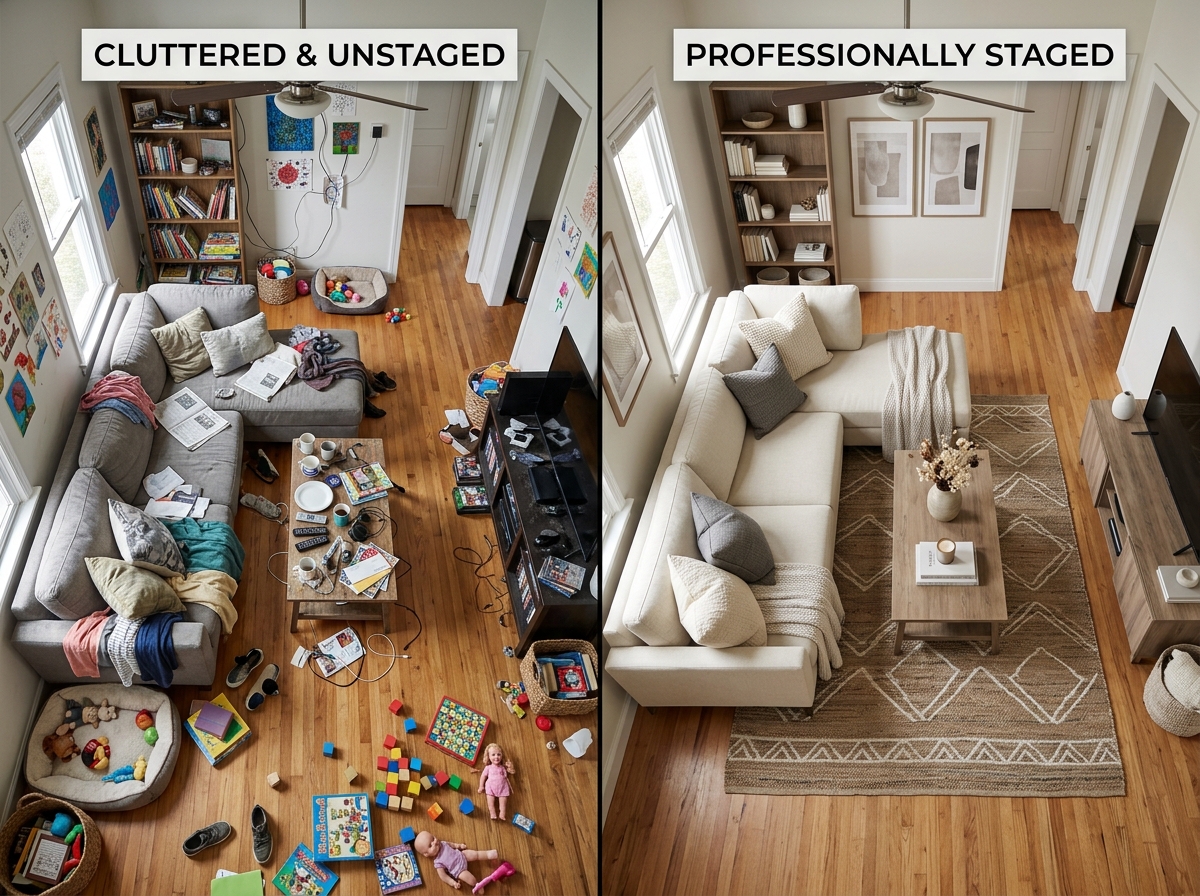
The actual staging installation, where furniture is placed, art is hung, accessories are arranged, and final styling touches are added, typically takes a half-day to a full day for most homes. Larger properties or projects involving significant furniture rental may take slightly longer. This is the phase most people picture when they think of staging, and it is genuinely satisfying to watch a room transform in real time.
If you want to see what that transformation looks like in practice, the before after gallery at BoldRM gives you a clear picture of what professional staging actually produces.
What Affects How Long Does Home Staging Take?
The answer to how long does home staging take is rarely one-size-fits-all. Several variables push the timeline in either direction.
Home Size: A 1,000-square-foot condo might be fully staged in a single day. A 3,500-square-foot house with multiple bedrooms, a formal dining room, and a finished basement requires more coordination and more time.
Occupied vs. Vacant: Staging an occupied home, where the current owners are still living there, is generally faster because furniture is already in place. The stager works with what exists, rearranging and supplementing with rented accessories. Vacant home staging takes longer because every piece of furniture needs to be sourced, delivered, and installed.
Condition of the Home: A move-in-ready property that just needs some decluttering and light rearranging can be staged in a couple of days total. A property that needs fresh paint, carpet cleaning, and minor repairs will add several days to the timeline before staging even begins.
Furniture Rental Lead Times: If your staging plan calls for rented furniture, delivery schedules from rental vendors can add two to five business days to the overall timeline. This is especially relevant in busy spring and summer markets when demand for rental inventory peaks.
Scope of the Project: Some sellers opt for partial staging, typically focusing on the living room, kitchen, and primary bedroom. Full-home staging, covering every room including bathrooms and the garage, naturally takes longer.
Planning Your Staging Timeline Around Your Listing Date
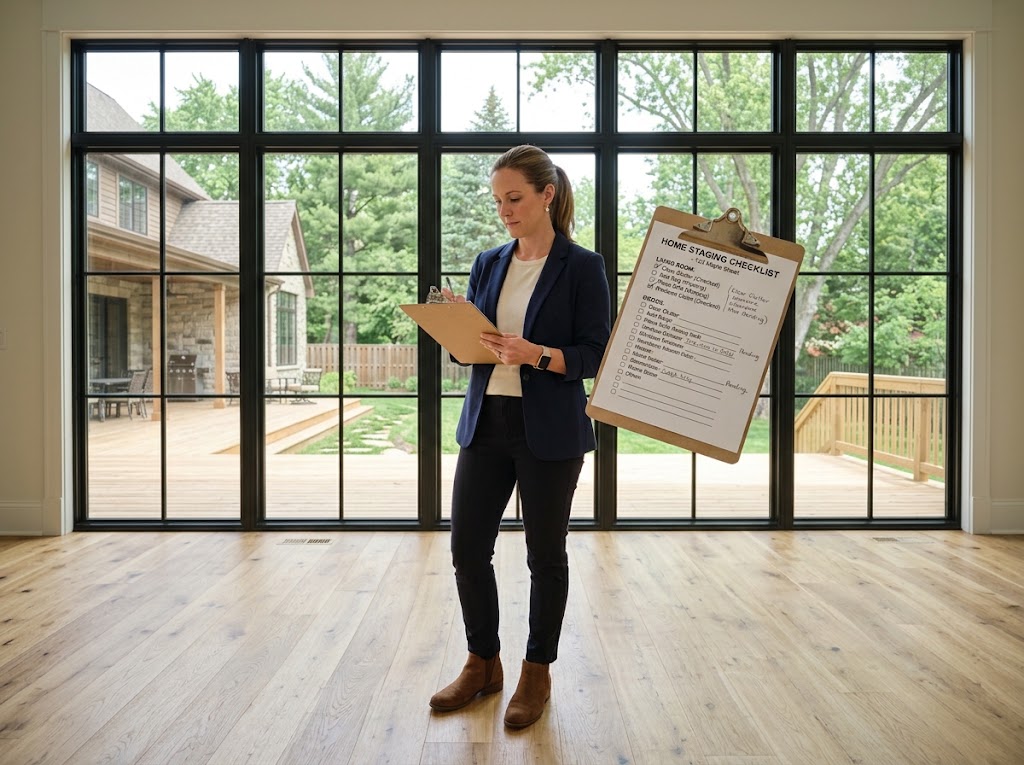
The most common mistake sellers make is treating staging as the last step rather than one of the first. If you want to list on a Friday, which tends to attract the most weekend showings, you should ideally begin your staging process at least two to three weeks before that date.
Here is a practical planning framework:
- Week 1: Schedule your staging consultation and begin decluttering. Start any painting or repair work.
- Week 2: Complete repairs and cleaning. Confirm furniture rental delivery dates if applicable.
- Week 3: Staging installation takes place. Professional photography is scheduled immediately after staging is complete.
- Listing Day: Your home goes live with polished photos and is ready for showings.
Working backward from your target listing date is the clearest way to set realistic expectations. If your situation requires a faster turnaround, be upfront with your staging team so they can prioritize accordingly.
You can also use the staging calculator at BoldRM to get an instant cost estimate before you even book a consultation. This helps you budget accurately rather than guessing. You can contact us directly if you want a more tailored assessment based on your property's specific details.
Occupied vs. Vacant Staging: A Closer Look at the Timeline Difference
This distinction deserves its own attention because it is often misunderstood. When a home is occupied, a stager works with existing furniture, pulling pieces out, repositioning them, and layering in rented accessories to create a cohesive, buyer-ready look. The logistics are simpler because there is no delivery to coordinate for the major furniture pieces.
Vacant staging is a different operation entirely. The stager is essentially furnishing a home from scratch using rental inventory. This involves measuring rooms, selecting furniture that fits the space and appeals to the likely buyer demographic, coordinating delivery with the rental vendor, and then installing everything on the day of the staging appointment. The creative scope is broader, the results are often more dramatic, and the timeline reflects that added complexity.
For vacant properties in particular, reviewing a staging company's portfolio before hiring them is especially worthwhile. You want to see that they have experience furnishing different property types and price points, not just a single aesthetic repeated across every project.

How Long Does Home Staging Take When You're on a Tight Schedule?
Sometimes life does not give you three weeks. Relocations, estate sales, and sudden job changes can force a listing timeline that feels impossibly tight. In those situations, here is what a compressed staging schedule realistically looks like:
If your home is already clean, reasonably decluttered, and in good repair, a professional staging team can often complete a partial staging in a single day. The focus shifts to the highest-impact rooms, typically the living room, primary bedroom, and kitchen, rather than every space in the home. Staging those three areas alone can make a measurable difference in how quickly your property attracts offers.
Be honest with your stager about your constraints. A good team will tell you what is achievable in your window rather than overpromising. The goal is always to get you the best outcome within your actual timeline, not an imaginary one.
Key Takeaways for Planning Your Staging Timeline
Before you scroll to the next section, here are the most important points to keep in mind:
- Start the staging process at least two to three weeks before your target listing date.
- Factor in repair and cleaning time, not just the staging installation day itself.
- Vacant homes take longer than occupied ones due to furniture sourcing and delivery.
- Partial staging of key rooms is a valid option when time or budget is limited.
- Use a staging calculator or consultation to set realistic cost and timeline expectations early.
Knowing how long does home staging take is not just a logistical question. It directly affects when you can list, how strong your photography looks, and ultimately how quickly your home sells and at what price.
Frequently Asked Questions
Q: What is the hardest month to sell a house?
January is widely considered the hardest month to sell a house in the United States.
Buyer activity tends to drop significantly after the holiday season, and cold weather in much of the country keeps foot traffic low. Inventory is also thinner in January, which can work in a seller's favor in some markets, but overall demand simply lags compared to spring and early summer.
Q: What are the biggest home staging mistakes?
The biggest home staging mistakes include leaving personal photos up, over-decorating, and neglecting curb appeal.
Buyers need to be able to picture themselves living in a home, and family portraits or highly specific decor work against that. Over-stuffing rooms with too many accessories creates visual noise rather than calm. And first impressions start at the curb, so an unstaged exterior undermines even the best interior work.
Q: What does staging mean when selling a house?
Staging means strategically arranging, decorating, and presenting a home to appeal to the broadest range of potential buyers.
It goes beyond simple cleaning or decorating for personal taste. Professional staging considers buyer psychology, photography angles, and the specific price point and demographic of likely buyers in your market.
Q: What should you not do when staging a house?
You should not leave clutter, strong odors, or highly personal items in a staged home.
Clutter makes rooms feel smaller and distracts buyers from the home's actual features. Strong pet or cooking odors are one of the fastest ways to lose a buyer's interest. Personal items like family photos or religious decor narrow the emotional appeal of a space rather than broadening it.
Q: How much to stage a 4 bedroom house?
Staging a four-bedroom house in the United States typically costs between $1,500 and $5,000 or more, depending on the scope and whether the home is vacant or occupied.
Vacant staging costs more because it requires furniture rental. Partial staging of key rooms is a cost-effective option for occupied homes. Using a staging calculator before booking gives you a realistic budget range based on your specific property.
The Bottom Line on How Long Does Home Staging Take
Planning your staging timeline carefully is one of the highest-return investments you can make before listing your home. Whether you have three weeks or three days, knowing what each phase requires helps you stay ahead of the process rather than scrambling at the last minute.
Start with a staging consultation as early as possible, work backward from your listing date, and be realistic about what repairs and cleaning need to happen before the stager arrives. If you want to get a fast, personalized estimate right now, use the BoldRM staging calculator to understand your costs before you commit to anything.