Scandinavian Modern Interior Design: A Complete Style Guide
Scandinavian modern interior design has become one of the most enduring global design styles and for good reason. It blends clean minimalism with warmth, combining simple forms, natural materials, and thoughtful comfort. The result is a space that feels calm, functional, and welcoming rather than cold or overly minimal.
At the heart of Scandinavian interiors is hygge the Danish concept of tranquility, of embracing happiness in little everyday actions (also referred to as Norse design). But beyond aesthetics, this philosophy shapes how spaces are experienced. Scandinavian design is not just about how a room looks, it’s about how it supports daily life.
This guide explains what defines Scandinavian modern design and how to apply its principles in a way that feels both intentional and livable.
Key Takeaways About Scandinavian Modern Design
Before exploring the details, here are a few principles that define Scandinavian interiors:
- Minimalist foundations with warm, natural materials
- Neutral color palettes designed to maximize light
- Functional furniture with simple silhouettes
- Layered textures that create comfort and softness
- Open, uncluttered spaces that promote calm living
These elements work together to create interiors that feel balanced visually simple, yet emotionally warm.
The Look
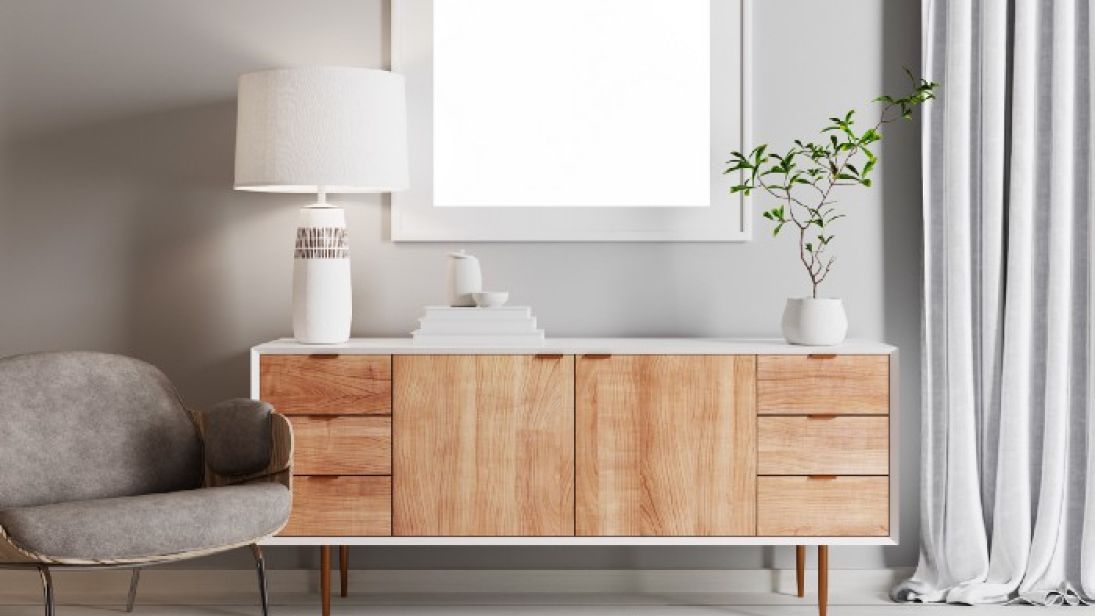
Like other modern design styles, the Scandinavian modern look relies on clean lines, calm color palettes and an emphasis on functionality.
Where it differs: Scandinavian design leans more towards the natural rather than the industrial or futuristic. The colors are inspired by the Nordic climate, with greys, blues, and subtle greens evoking a serene Northern landscape. And pieces are typically made from natural materials, like wood, linen, wool, or stone.
Yet even with an abundance of hard edges and straight lines, Scandinavian designs never appear cold or characterless. Rustic wooden finishes, thick blankets, soft rugs, warm candlelight, and an abundance of cushions provide an inviting atmosphere to any space. No wonder the look was so quickly embraced outside of Scandinavia.
What Is Scandinavian Modern Interior Design?
Scandinavian modern design originates from the Nordic countries:
- Denmark
- Sweden
- Norway
- Finland
- Iceland
The style emphasizes simplicity, practicality, and harmony with nature—but more importantly, it prioritizes human-centered design.
Key characteristics include:
- Clean, understated lines
- Functional furniture design
- Natural materials such as wood and linen
- Muted, calming color palettes
- Cozy elements layered into minimal spaces
Unlike stark minimalist interiors, Scandinavian design avoids visual emptiness. Instead, it focuses on intentional simplicity, where every element serves both a functional and emotional purpose. The goal is not to remove everything, it is to keep only what adds value.
The Role of Hygge in Scandinavian Design
Hygge is often misunderstood as a trend, but it is actually a cultural foundation.
It reflects a way of living that values comfort, presence, and everyday well-being. In interior design, this translates into spaces that feel safe, relaxed, and inviting.
You see hygge in:
- Soft ambient lighting instead of harsh overhead lights
- Layered textiles that add warmth and softness
- Comfortable seating designed for lingering
- Intimate layouts that encourage connection
- Natural materials that feel tactile and grounded
These elements do more than decorate a space - they shape behavior.
A room designed with hygge encourages people to slow down, gather, and stay longer. This is one reason Scandinavian interiors feel so naturally welcoming.
The Scandinavian Color Palette
The Scandinavian color palette is deeply influenced by climate.
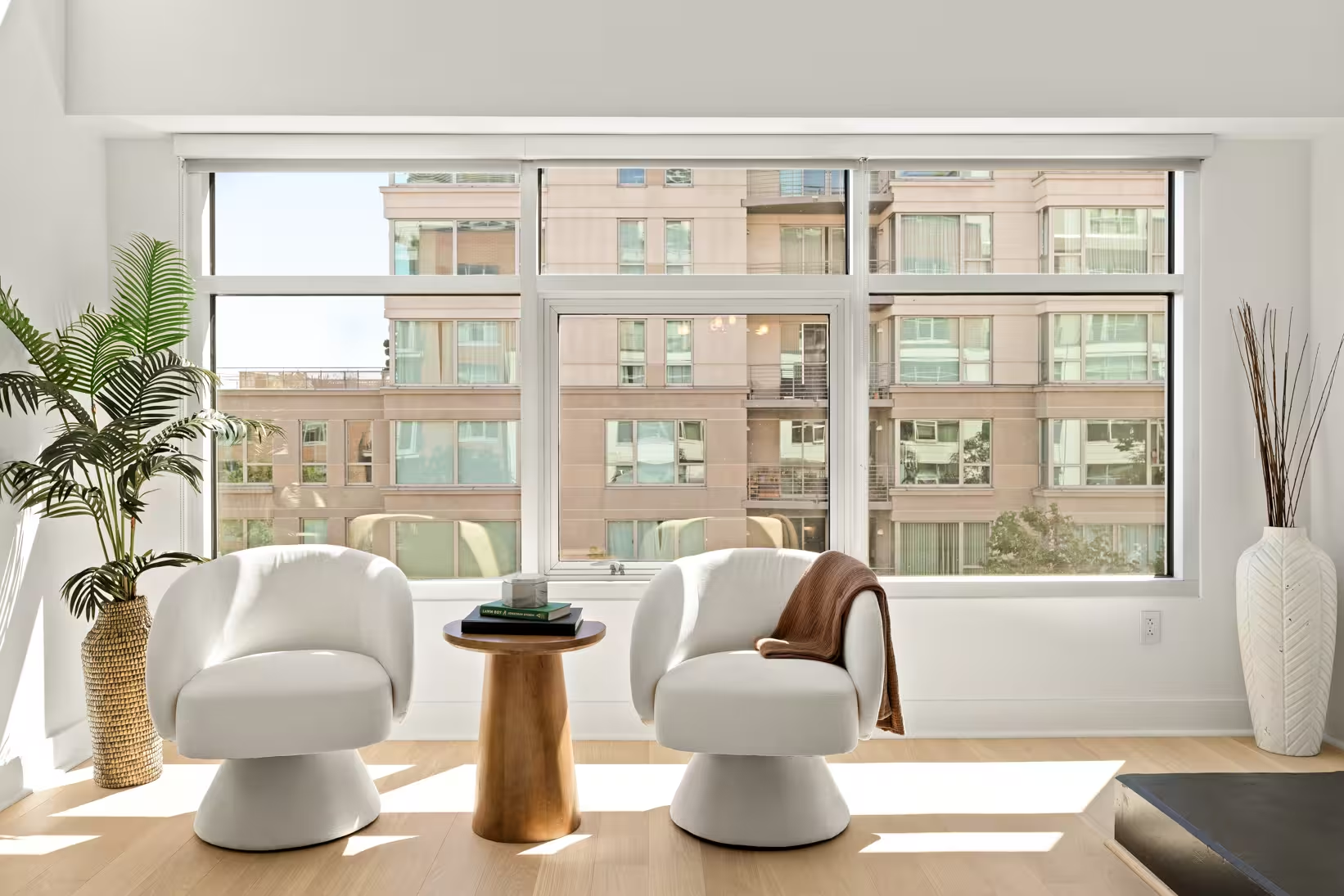
In Nordic regions, long winters and limited daylight make light a valuable resource. As a result, interiors are designed to reflect and amplify natural light.
Common shades include:
- Crisp white
- Soft gray
- Muted blue
- Subtle sage green
- Warm beige
- Pale natural wood tones
White walls are especially common because they act as a reflective surface, helping distribute light evenly throughout the space.
Accent colors are typically soft and restrained. Instead of bold contrast, Scandinavian interiors rely on subtle tonal variation to create depth.
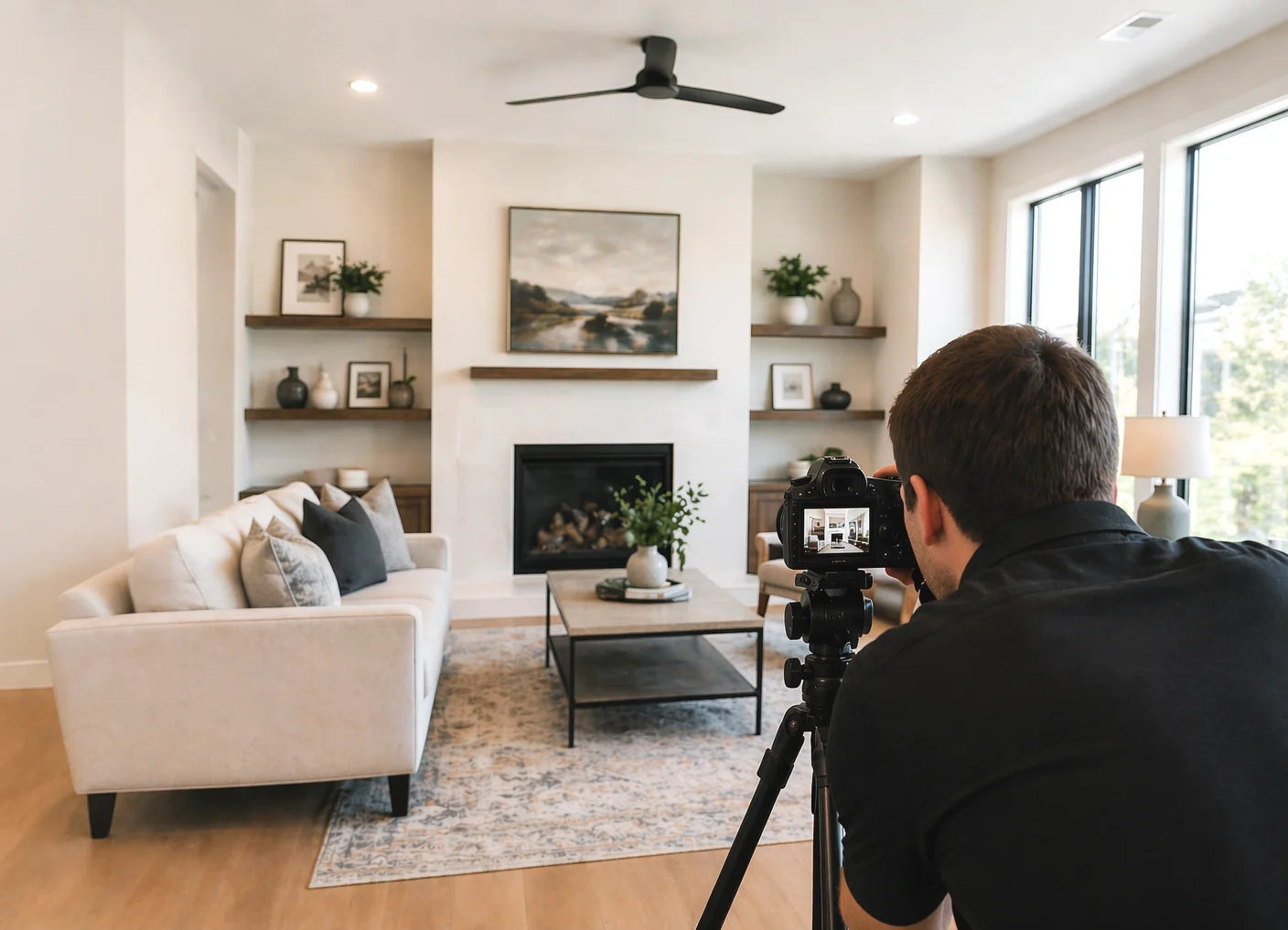
This approach not only enhances comfort but also improves how spaces appear in photography making rooms feel brighter, cleaner, and more expansive.
Materials That Define the Scandinavian Look
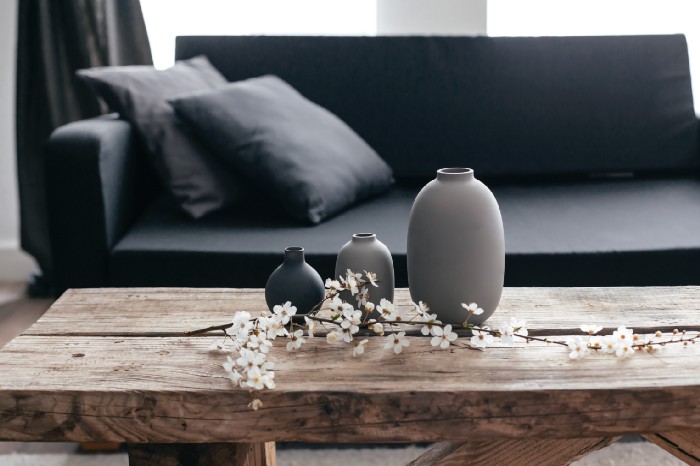
In Scandinavian design, materials are not decorative they are essential to the experience of the space.
Natural materials are used to introduce warmth, texture, and authenticity into otherwise minimal environments.
Common choices include:
- Light-toned woods such as oak or ash
- Linen upholstery
- Wool blankets
- Cotton textiles
- Stone or ceramic accents
These materials soften the visual simplicity of the space while maintaining a calm and cohesive aesthetic.
Unlike glossy or highly polished finishes, natural materials diffuse light and create a more relaxed atmosphere.
This balance is critical. Without texture, minimalism can feel cold. With it, the space becomes comfortable and inviting.
A Brief History of Scandinavian Design
Some scholars believe that the term “Scandinavian design” was originally used as part of a PR campaign following World War II, meant to bolster solidarity between the various Nordic countries. In the design world, “Scandinavian” still refers to the collective design styles of Denmark, Sweden, Finland, Norway, and Iceland.
But however the term may have first originated, it managed to reach the outside world by 1951, when a London department store held a “Scandinavian Design for Living” exhibition. The look quickly gained worldwide recognition with a collection of chairs by Scandinavian designers like Arne Jacobsen, Eero Arnio, and Alvar Aalto. By 1954 almost half of all Danish furniture was exported to the United States. And a “Design in Scandinavia” exhibition toured across North America as the public fell in love with the look’s practicality and humanism.
Unfortunately, that love quickly petered out by the late 1960s, and wouldn’t return for another 50 years.
Today, Scandinavian design is once again one of the most popular interior design styles. But the region’s rising popularity is due to far more than just Ikea furniture. During the last couple decades, these small Northern countries remained largely untouched by global recessions. They’ve recovered from the Coronavirus pandemic virtually unscathed by massive casualties or economic downturns. Scandinavian governments are revered as leaders in gender equality, health care, and education. And beyod that, the core values of both Scandinavian modern design, and of the countries themselves, speak to a humble, familial, and egalitarian ideology — a peace of mind the whole world is currently striving to acheive.
It’s no wonder, then, that Scandinavian design has been popping up all over the ‘gram. And with more of Scandinavia appearing on TV (think History Channel’s Vikings, or Netflix’s Ragnarok, Norsemen, and The Last Kingdom series) we’re all hoping to get some of that cool hygge for ourselves.
Today, Scandinavian modern remains highly relevant because it aligns with how people want to live and not just how they want spaces to look.
How to Create a Scandinavian Modern Interior
You do not need to live in Northern Europe to incorporate Scandinavian design principles. Scandinavian interior design is all about mixing modern with cozy. Layer sculptural pieces with soft decor for a more welcoming living space. Or opt for furniture with warm wooden finishes, like this Crate&Barrel dining table. Integrate some faux furs and sumptuous rugs, like this RH collection. Add some houseplants for a natural feel, and don’t be afraid to go a bit avant-garde with your accessories, like these DIY Scandi-inspired containers, or these abstract ceramic figurines.
When in doubt, shop from the source — browse through the collections of Scandinavian based companies like Finnish chair and table giant Artek, or go straight to ScandinavianDesigns.com. Or maybe you leave all your home accessory options in the lap of the gods and order a Scandinavian design subscription package through Norsebox. And of course, Etsy is always a (more budget friendly) goldmine of Scandinavian decor. The key is understanding how each decision supports both function and atmosphere.
Keep the Base Neutral
Start with white or light neutral walls to create a bright and open foundation. A neutral base allows natural light to reflect throughout the space and provides flexibility for layering textures and materials.
Choose Functional Furniture
Furniture should prioritize usability over decoration. Look for clean lines, practical forms, and comfortable proportions. Avoid overly ornate or purely decorative pieces. In Scandinavian design, every item should serve a purpose.
Layer for Warmth
Minimalism alone can feel incomplete without warmth. Introduce softness through wool throws, area rugs, cushions, and natural wood accents. These layers create contrast against clean surfaces and make the space feel more livable.
Bring Nature Indoors
Nature plays a central role in Scandinavian interiors. Incorporate houseplants, woven baskets, wooden surfaces, and organic materials. These elements soften the space and reinforce the connection between interior and exterior environments.
Edit Thoughtfully
Editing is one of the most important steps. Avoid overcrowding shelves or surfaces instead focus on intentional placement. Open space is not empty, it is part of the design. This restraint helps rooms feel calm, organized, and visually balanced.
Scandinavian Design in Home Staging
Scandinavian modern design is particularly effective in home staging because it aligns with buyer expectations. The style helps properties feel:
- Clean and move-in ready
- Bright and spacious
- Neutral and broadly appealing
Because the design is understated, it allows buyers to focus on the architecture and layout rather than the décor. This is especially important in online listings, where first impressions are formed quickly. Light palettes, simple layouts, and cohesive styling tend to photograph better and attract more engagement. Scandinavian design works because it creates clarity both visually and emotionally.
Is Scandinavian Modern Still Popular?
Yes and its longevity is not accidental. Scandinavian design continues to resonate because it reflects broader lifestyle shifts toward simplicity, sustainability, comfort and intentional living.
Unlike trend-driven aesthetics, it is built on principles rather than decoration. This makes it highly adaptable. Materials, accents, and details can evolve over time without changing the core identity of the space. That balance between minimalism and warmth is what makes Scandinavian modern feel timeless rather than temporary.

%20(1).avif)