Modern Farmhouse Interior Design: A Complete Style Guide
Modern farmhouse interior design blends comfort, simplicity, and understated elegance. The style feels warm and inviting while still appearing clean, refined, and contemporary. You may recognize the look from open kitchens, exposed wood beams, neutral color palettes, and rustic accents. But what exactly makes farmhouse design “modern”? And why has this aesthetic remained so popular even in urban homes far from rural settings?
Modern farmhouse interiors combine traditional materials with contemporary design principles, creating spaces that feel timeless rather than trendy. This guide explains what modern farmhouse interior design is, where it came from, and how to bring the look into your own home.
Key Takeaways About Modern Farmhouse Design
Before exploring the details, here are a few essential characteristics of modern farmhouse style:
- A blend of rustic farmhouse materials and modern design
- Neutral color palettes that emphasize texture and natural materials
- A balanced mix of old and new furnishings
- Comfortable spaces that feel warm but uncluttered
These principles help modern farmhouse interiors feel both relaxed and thoughtfully designed.
What Is Modern Farmhouse Interior Design?
Modern farmhouse interior design combines traditional farmhouse elements with contemporary finishes and simplified forms. The word farmhouse connotates a large living space where people work, cook, eat, and socialize. Similarly, the modern farmhouse interior design style blends practical functionality with old country chic. Pieces are sturdy and worn, made of hard-wearing materials like wood, stone, and iron. But unlike the traditional farmhouse, they also retain a certain air of sophistication, like modern fixtures and sleek metal accents alongside rustic tables and weathered leather chairs.
Historic farmhouse homes were originally designed for practicality. They prioritized durability, open spaces, and communal areas such as kitchens and dining rooms. Materials commonly included:
- Wood
- Stone
- Iron
- Handmade textiles
Modern farmhouse design keeps this foundation but refines it through more contemporary styling choices. Typical modern farmhouse updates include:
- Sleeker lighting fixtures
- Simplified furniture silhouettes
- A more restrained color palette
- Subtle contemporary accents
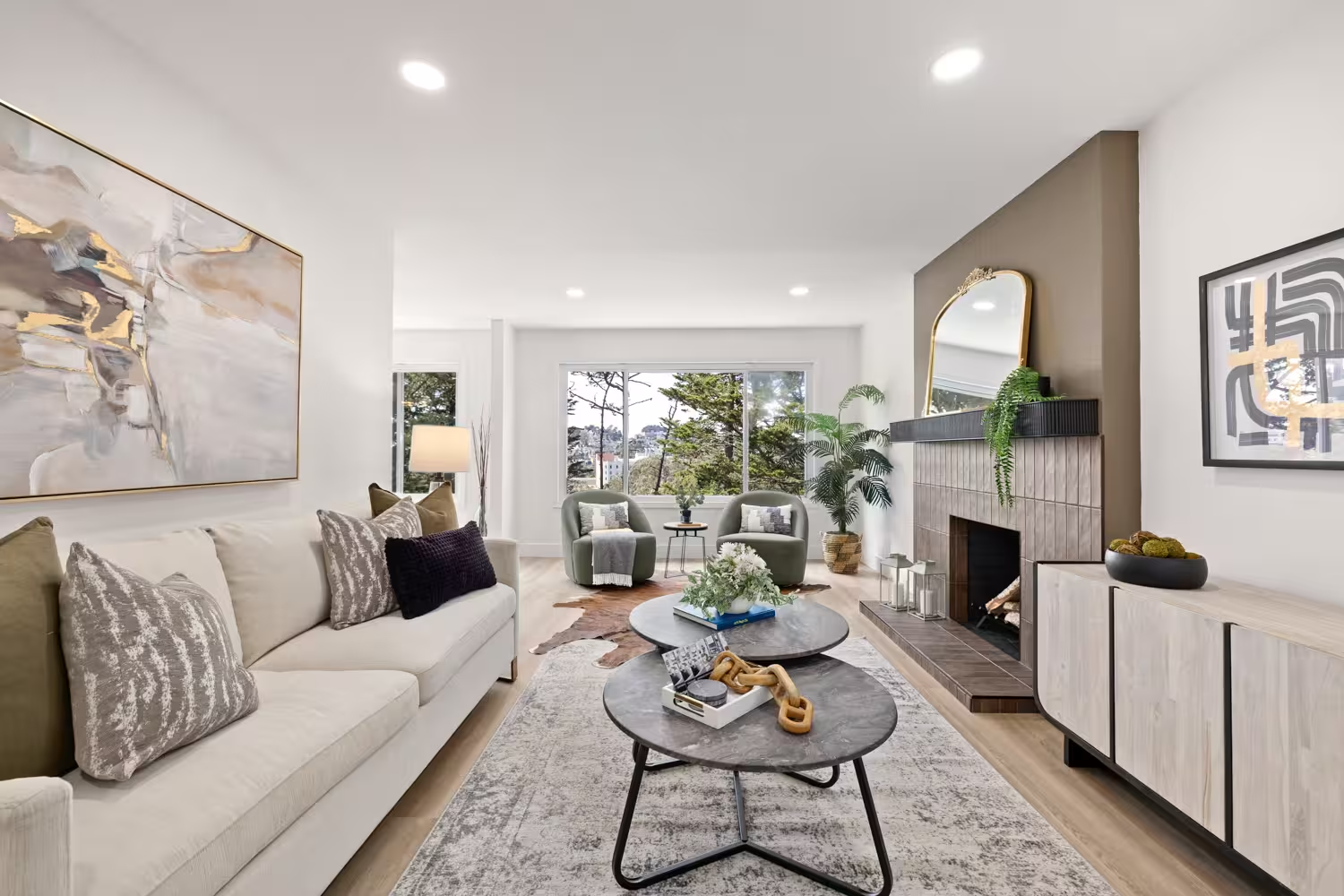
Its neutral color palette adds warmth while maintaining an elegant look, think whitewashed shiplap and exposed brick fireplaces. And of course, no modern farmhouse is complete without some vintage accessories. But again, everything needs to be functional and long-lasting and above all, provide some warm and cozy feels. The result is a design style that feels cozy yet sophisticated, rustic yet fresh.
Key Elements of Modern Farmhouse Style
Natural Materials
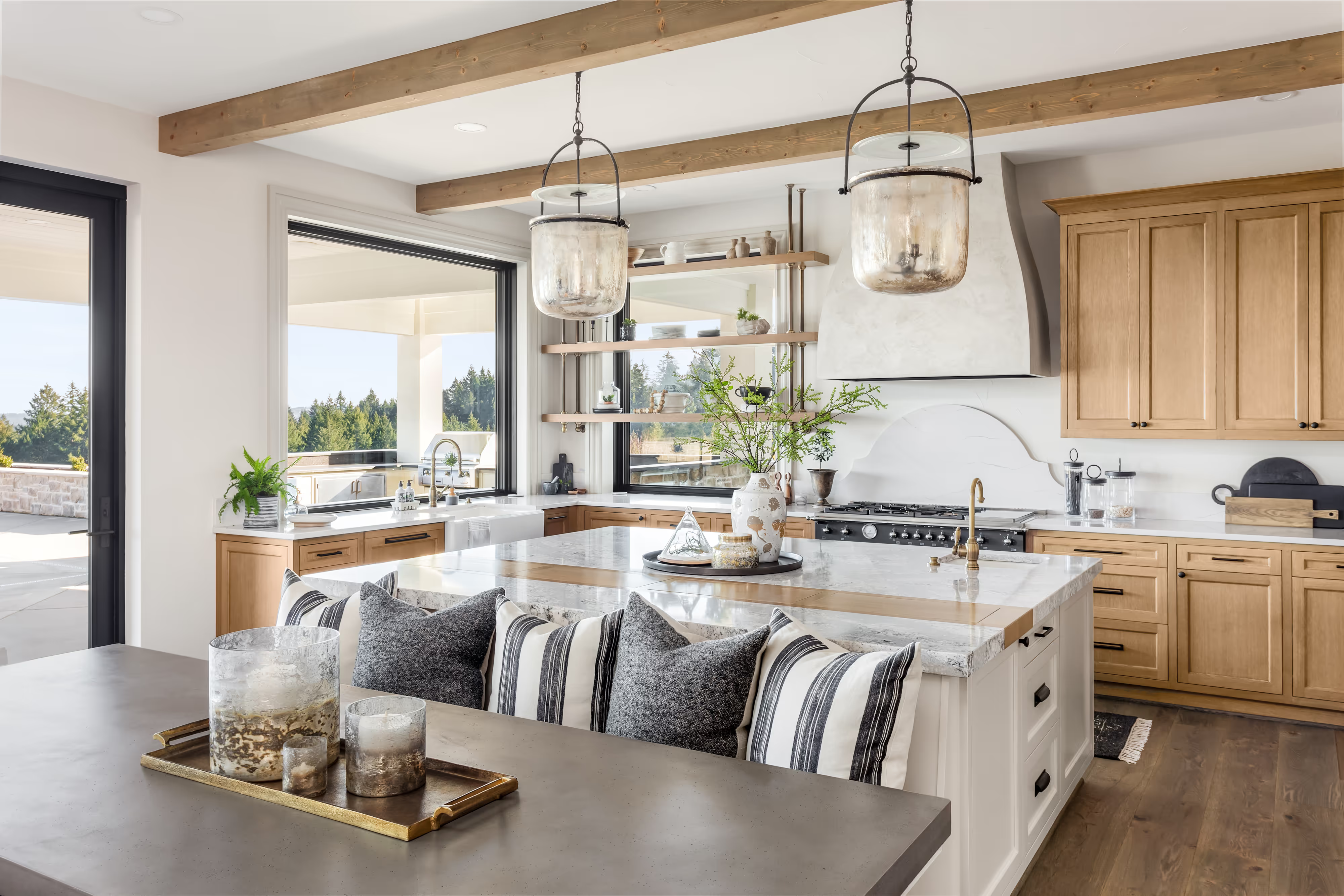
Natural materials are central to modern farmhouse interiors. Wood, stone, iron, and linen bring authenticity and texture to the space. Reclaimed wood beams, hardwood floors, and matte metal hardware often appear in kitchens and living areas. These materials create visual depth while maintaining the organic character associated with farmhouse design.
Neutral Color Palette
Modern farmhouse interiors rely on calm, neutral colors that make spaces feel open and welcoming. Common colors include:
- White
- Cream
- Warm gray
- Taupe
- Muted earth tones
Neutral palettes allow textures such as wood grain, linen fabrics, or stone surfaces—to become the focal point of the room.
A Balance of Old and New
One of the defining features of modern farmhouse design is the contrast between rustic and contemporary elements. Examples might include:
- A reclaimed wood dining table paired with modern pendant lighting
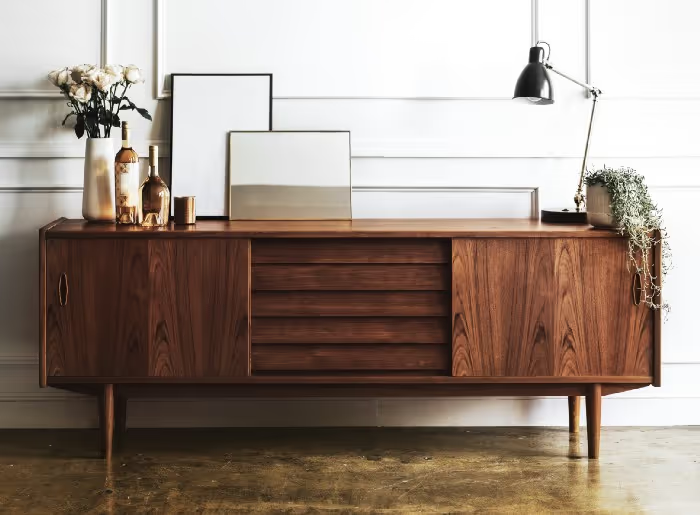
- Vintage accessories styled alongside streamlined sofas
- Traditional shiplap walls next to sleek metal fixtures
This balance prevents the style from feeling overly rustic or outdated.
Functional and Comfortable Furniture
Furniture in modern farmhouse interiors is designed to feel inviting and practical. Pieces are typically sturdy and relaxed rather than overly formal. Common examples include:
- Upholstered sofas with simple silhouettes
- Solid wood dining tables
- Layered bedding with natural textiles
- Accent chairs with neutral upholstery
Comfort and usability remain essential components of the design.
The History Behind Modern Farmhouse Style
Farmhouse design originally emerged as a purely functional architectural style. Early farmhouses focused on practicality. Interiors prioritized durable materials, efficient layouts, and communal living spaces rather than decorative elements.
In the late twentieth century, designers began to reinterpret farmhouse interiors through a more aesthetic lens. The simplicity of rural design began appealing to homeowners seeking authenticity and warmth.
In 1989, Rachel Ashwell made farmhouse style fashionable with her Shabby Chic shop in Santa Monica, complete with vintage furniture, white slipcovers, and humble decor--a definite departure from the financial excesses of the ‘80s. And during the ‘90s recession, the style provided homeowners with a cheap, DIY-able design option, all the while harkening back to simpler, more comfortable times. During economic downturns, many people were drawn to farmhouse-inspired interiors because they felt grounded, practical, and approachable.
Sure enough, after the 2008 crash, people once again looked to the farmhouse design style for much needed comfort and simplicity. HGTV networks started airing programs that were DIY centered, with an emphasis on restoring the old. Fixer Upper then debuted in 2013, showcasing rustic pieces, cozy living spaces, and definitively modernizing the farmhouse interior style for new audiences. Then in 2016 the New York Times used the phrase “modern farmhouse” to describe one interior design firm’s use of reclaimed wood, antique pieces, and minimalist style. A couple years later Ashley Homestore launched their Mane + Mason modern farmhouse line, delivering the look to a massive audience.
In the early 2010s, television renovation shows helped popularize the modern farmhouse aesthetic. Designers introduced reclaimed wood, neutral color palettes, and contemporary furnishings into mainstream interior design. Today, modern farmhouse style continues to evolve and is often blended with transitional or contemporary design influences.
6 Tips How to Achieve the Modern Farmhouse Look on a Budget
Creating a modern farmhouse interior does not require a full renovation. Small design choices can introduce the look gradually.
1. Incorporate Natural Textures
Natural materials help establish the foundation of farmhouse design. Consider adding:
- Wood accents
- Woven baskets
- Stone surfaces
- Matte black or iron hardware
These materials add warmth and authenticity without requiring structural changes. For example, you could create a DIY wooden sign with a farmhouse-inspired saying, or install a barn door using reclaimed wood.
2. Layer Soft Textiles
Soft furnishings play a key role in making neutral interiors feel comfortable and complete. Linen curtains, textured rugs, and neutral throw pillows can add visual depth while maintaining the relaxed aesthetic.
If you're designing or staging a space, understanding choosing the right soft furnishings can make a significant difference in how the room feels.
3. Mix Vintage & Modern
Another characteristic of modern farmhouse style is the mix of vintage and modern elements. To achieve this, you could repurpose vintage items like old milk crates or galvanized buckets as planters, and pair them with modern accents like clean-lined furniture or contemporary lighting. Repurpose older items by using vintage ladders as shelves, or by transforming mason jars into light fixtures.
4. Choose Statement Lighting
Lighting fixtures can instantly introduce farmhouse character. Popular options include:
- Black metal pendant lights
- Lantern-style fixtures
- Simple industrial-inspired sconces
Lighting often becomes a subtle focal point within the room.
5. Add Greenery
Plants bring life and contrast to neutral interiors. Simple greenery in ceramic or natural planters helps soften the space and prevent the design from feeling overly styled. You could create a DIY planter box for a window sill, or hang a collection of succulents in macrame holders.
6. Keep the Design Simple
Modern farmhouse interiors work best when they remain uncluttered. Avoid excessive decorative signs or overly themed décor. Instead, focus on intentional styling and high-quality materials.
Is Modern Farmhouse Still in Style?
Yes, but the style has evolved. While modern farmhouse reached peak popularity in the mid-2010s, today’s interpretations are more subtle and refined. It has gained popularity in recent years due to its warm and cozy atmosphere that provides a sense of comfort and simplicity. The contemporary versions of the style often include:
- Cleaner architectural lines
- Fewer decorative accents
- Higher-quality natural materials
- A more balanced mix of rustic and modern elements
Its blend of practical functionality with contemporary and traditional farmhouse elements; old country chic, vintage accessories, and neutral color palette creates an elegant and sophisticated look that is appealing to many urban city-dwellers. When executed thoughtfully, modern farmhouse design can feel timeless rather than trendy.