Time Management for Real Estate Agents: How to Stay Focused and Productive
Time management is one of the biggest challenges real estate agents face. Between client calls, property showings, negotiations, marketing, and administrative tasks, it can often feel like there is never enough time in the day. The reality is that success in real estate isn’t about working longer hours. It’s about focusing on the right tasks, setting clear priorities, and building systems that support your workflow.
Strong time management for real estate agents helps reduce stress, improve client service, and create a more sustainable work schedule. When agents manage their time effectively, they can focus more on relationships, deal progress, and business growth instead of constantly reacting to new demands.
In this guide, we explore practical strategies that help agents stay organized, maintain productivity, and run a more efficient real estate business.
Key Time Management Takeaways for Real Estate Agents
Before diving into the strategies, here are a few core principles that successful agents often follow:
- Focus on high-impact tasks that move deals forward
- Use systems and technology to reduce manual work
- Plan each day around clear priorities
- Protect focused work time by reducing distractions
Small improvements in how you organize your time can significantly improve both productivity and work-life balance.
Why Time Management Matters in Real Estate
Real estate is a fast-paced and often unpredictable profession. Client needs can change quickly, deals move through tight timelines, and new opportunities may appear at any moment. Without a clear approach to managing time, agents often experience:
- Constant interruptions
- Long working hours without clear results
- Missed follow-ups or delayed responses
- Increased stress and eventual burnout
When schedules become reactive instead of intentional, productivity suffers. Strong time management allows agents to stay in control of their schedule rather than feeling controlled by it. It also helps ensure that important tasks such as client communication and deal progress receive the attention they deserve.
Effective Time Management Techniques for Real Estate Agents
1. Plan Your Day with Clear Priorities
Successful agents rarely start their day without a plan. Identifying your most important tasks in advance helps ensure that critical work gets done before distractions take over. Focus first on activities that directly affect:
- Client relationships
- Deal progress
- Revenue generation
Lower-priority tasks, such as administrative updates or marketing adjustments, can be grouped together and completed later in the day.
2. Set Realistic and Achievable Goals
Breaking your workload into daily, weekly, and monthly goals makes large responsibilities easier to manage. Clear goals help agents:
- Track progress more effectively
- Stay motivated throughout the week
- Avoid becoming overwhelmed by large projects
Well-defined goals also make it easier to determine what deserves your time immediately and what can be scheduled for later.
3. Use Technology to Reduce Manual Work
Modern real estate businesses rely heavily on technology to stay organized. Tools such as CRM systems, transaction management platforms, and centralized dashboards can automate repetitive administrative work. When key information is stored in one place, agents spend less time searching for documents or updates and more time serving their clients.
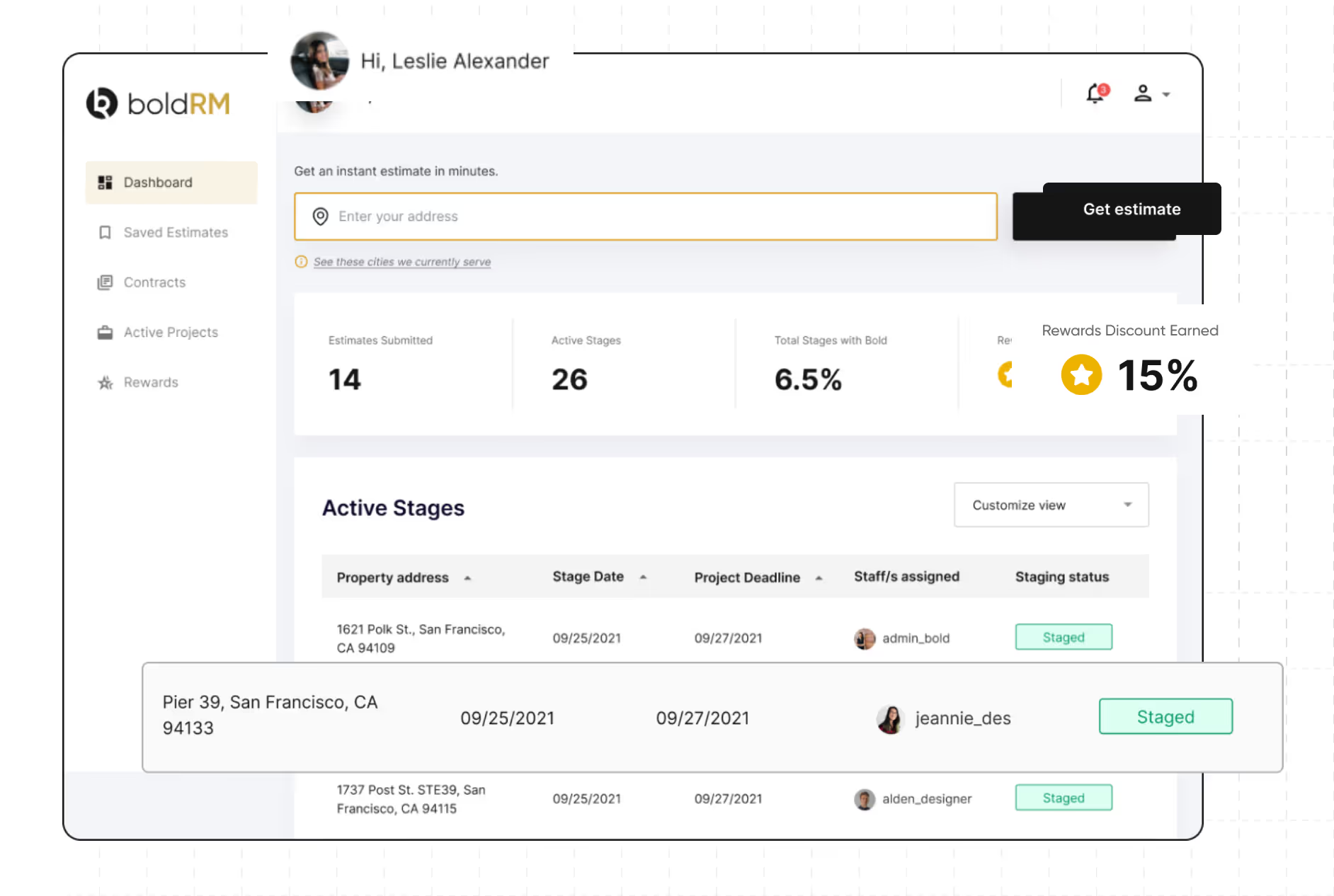
For example, centralized listing management tools can help agents track property preparation tasks, staging timelines, and listing progress without juggling multiple systems.
4. Schedule Breaks to Stay Productive
Working nonstop does not necessarily lead to better productivity. In fact, mental fatigue can reduce focus and decision-making ability.
Short breaks throughout the day can help:
- Maintain concentration
- Improve problem-solving
- Prevent burnout
Even a short pause between appointments or tasks can help agents return to work with greater clarity and energy.
How Real Estate Agents Can Prioritize More Effectively
5. Focus on High-Impact Tasks First
High-impact tasks are the activities that directly move deals forward or strengthen client relationships. These typically include:
- Client follow-ups
- Preparing for showings
- Negotiating offers
- Managing active transactions
Completing these tasks early in the day ensures meaningful progress even during busy schedules.
6. Delegate or Eliminate Low-Value Tasks
Not every task requires an agent’s direct involvement. Administrative responsibilities, scheduling coordination, and repetitive processes can often be delegated to assistants or automated using digital tools. Reducing time spent on low-value activities allows agents to focus on strategic work that grows their business.
7. Balance Urgent Tasks with Important Work
Urgent tasks demand immediate attention, but important tasks often support long-term success. Agents should handle urgent matters such as client requests or negotiations while still making time for activities like:
- Lead generation
- Marketing planning
- Relationship building
Balancing both types of work helps maintain steady business growth.
The Role of Self-Discipline in Managing Your Time
8. Set Clear Boundaries
Real estate agents often feel pressure to be available at all times. However, constant availability can quickly lead to burnout. Setting clear working hours helps maintain focus and long-term productivity. Communicating these boundaries clearly with clients ensures expectations are aligned.
9. Limit Daily Distractions
Modern communication tools can easily interrupt productive work. Notifications, emails, and social media updates often break concentration and slow down progress. Creating focused work periods where distractions are minimized helps agents complete tasks faster and with higher quality.
10. Stay Motivated with Structure
Motivation often comes from visible progress. Tracking completed tasks, reviewing weekly goals, and celebrating milestones can help maintain momentum even during slower periods. Structured workflows make it easier to stay consistent and productive over time.
Building a More Organized Real Estate Workflow
Time management improves significantly when agents rely on structured systems rather than memory. Organizing tasks, tracking progress, and centralizing information helps reduce mental load and decision fatigue especially during the fast-paced listing process.
A well-structured workflow allows agents to:
- Track listing preparation tasks
- Monitor deal progress
- Manage client communication more effectively
To support this, BoldRM provides an Agent Dashboard designed specifically for listing preparation workflows. Instead of managing scattered emails, notes, and timelines, agents can use the dashboard to track staging progress, coordinate listing activities, and stay aligned on key milestones all in one place.
This becomes especially valuable during listing preparation, where multiple steps such as staging, photography, and listing updates must be carefully coordinated.
By combining the BoldRM Agent Dashboard with professional staging services, agents gain both visibility and execution. Staging is no longer a disconnected task it becomes part of a structured, trackable process that supports faster turnaround and more consistent listing quality.
Instead of chasing details across different tools, agents can operate from a centralized system where staging, marketing, and communication work together seamlessly. This allows more time to focus on pricing strategy, client relationships, and closing deals.