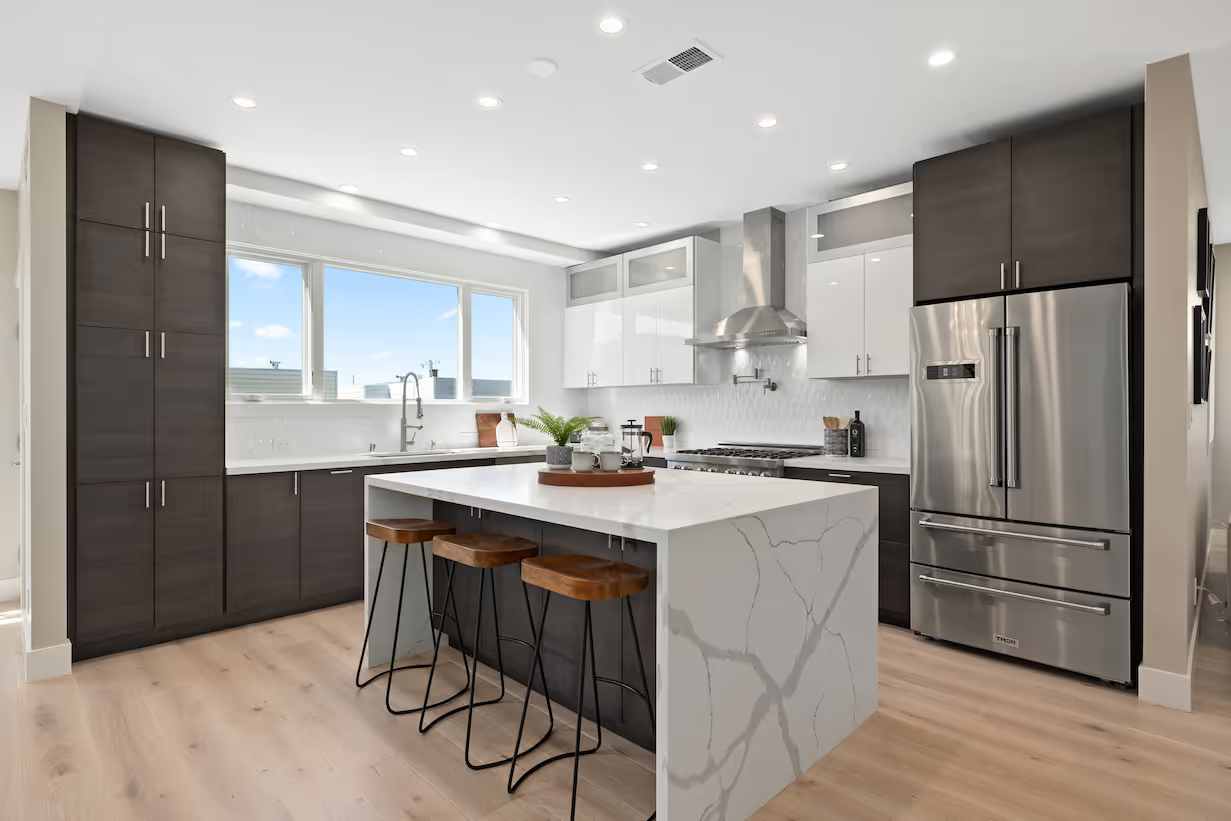
When you need to stage a home for sale, knowing where to buy staging furniture can mean the difference between a quick, profitable sale and a listing that sits ignored. The right furniture sources help you present a polished, move-in-ready look without overspending on pieces you may only need for a few weeks.
Staging has become a standard step in the American home-selling process, and for good reason. Buyers form emotional impressions within seconds of entering a room, and the right furniture arrangement communicates lifestyle, scale, and warmth in ways that empty rooms simply cannot. Before you start spending, though, it is worth understanding all your options, from purchasing new pieces to renting, shopping secondhand, or hiring a professional staging company that already owns an inventory of curated furniture through .
Why the Source of Your Staging Furniture Matters
Not every piece of furniture works equally well in a staged home. Staging furniture needs to photograph beautifully, hold up through multiple showings, and fit the scale and style of the property being sold. A sectional sofa that looks great in your own living room might overwhelm a 1,200-square-foot condo, and a delicate antique chair may not survive the foot traffic of an open house weekend.
Where you source your furniture directly affects your upfront costs, your time investment, and the quality of the finished result. Buying retail means paying full price for pieces that may depreciate the moment they leave the store. Renting from a staging warehouse gives you access to professionally selected inventory but locks you into weekly or monthly fees. Shopping secondhand stretches your dollar but demands significant time to hunt, haul, and sometimes repair or repaint.
The decision is not purely financial, either. It is also about practicality. Do you have a truck or van to transport large items? Do you have storage for pieces between uses? Do you have the design eye to pull a cohesive room together? These questions shape which sourcing approach actually makes sense for your situation.
The Main Places to Buy or Source Staging Furniture
Retail Furniture Stores
Big-box retailers like IKEA, Target, and Wayfair are popular starting points for stagers on a budget. IKEA in particular has built a reputation in the staging world because its clean Scandinavian lines photograph well, the price points are low, and many pieces come flat-packed for easier transport. A basic IKEA sofa can cost under $400, making it feasible to furnish a living room without a massive upfront investment.
Higher-end retailers like West Elm, Pottery Barn, and Restoration Hardware offer a more aspirational look, but the cost climbs quickly. A single sofa from Pottery Barn can run $1,500 to $3,000 or more, which is difficult to justify for temporary use unless you plan to resell the pieces afterward.
If you go the retail route, focus on neutral colors, simple silhouettes, and durable upholstery. Avoid trendy statement pieces that may date quickly or alienate buyers with specific tastes.
Online Marketplaces and Secondhand Sources
Facebook Marketplace, Craigslist, OfferUp, and local estate sales are all viable places to find affordable staging furniture. Many stagers build their entire inventory this way, especially when starting out. The trade-off is time. Finding the right pieces means scrolling through listings daily, arranging pickups, inspecting for damage, and sometimes refinishing or deep-cleaning items before they are show-ready.
Thrift stores like Goodwill and Habitat for Humanity ReStores can also yield solid finds, particularly for accent furniture such as side tables, lamps, mirrors, and decorative pieces. Core items like sofas and beds are harder to source secondhand in showroom condition, so many stagers mix and match: secondhand accents paired with services that include new or rented core pieces.
Furniture Rental Companies
Companies like CORT Furniture Rental and AFR Furniture Rental specialize in providing furniture packages for staging, model homes, and corporate relocations. Rental gives you access to a wide inventory without storage headaches. You pay a monthly fee, the company delivers and picks up, and you return the pieces when the home sells.
The downside is that rental costs add up if a property sits on the market for several months. A mid-range furniture rental package for a two-bedroom home can run $800 to $1,500 per month or more depending on the market. In slower markets, this can erode your return on investment quickly.
Wholesale and Trade Accounts
If you stage homes regularly, opening a trade account with furniture wholesalers or manufacturers can yield meaningful discounts, sometimes 30 to 40 percent off retail pricing. Companies like Global Views, Universal Furniture, and many regional distributors offer trade pricing to licensed designers, stagers, and real estate professionals. This route requires more setup and typically a business license or membership in a professional association like the Real Estate Staging Association (RESA), but the savings compound over time if you are building a portfolio of staged inventory.

How to Buy Staging Furniture Without Wasting Money
The biggest mistake first-time stagers make is buying pieces they love rather than pieces that sell homes. Staging furniture is not interior design for personal taste; it is strategic prop placement designed to help buyers visualize themselves in the space.
Here is a practical framework for purchasing wisely:
- Start with a floor plan. Measure every room before you buy a single piece. Scale matters enormously. An oversized dining table in a small dining room makes the space feel cramped in photos.
- Prioritize the rooms that sell homes. Living rooms, primary bedrooms, and kitchens are where buyers make decisions. Secondary bedrooms, offices, and utility rooms matter less and can often be staged with fewer, less expensive pieces.
- Build a neutral palette first. Whites, creams, warm grays, and natural wood tones photograph well across lighting conditions and appeal to the widest range of buyers. Add color through inexpensive accessories.
- Budget for accessories. Throw pillows, artwork, table lamps, faux greenery, and area rugs dramatically elevate the finished look. These items can be sourced cheaply from HomeGoods, TJMaxx, or Amazon and reused across multiple stagings.
- Think resale. If you are buying pieces outright, consider their resale value after the staging is complete. Neutral, timeless pieces from recognizable brands hold value better than ultra-budget items that deteriorate quickly.
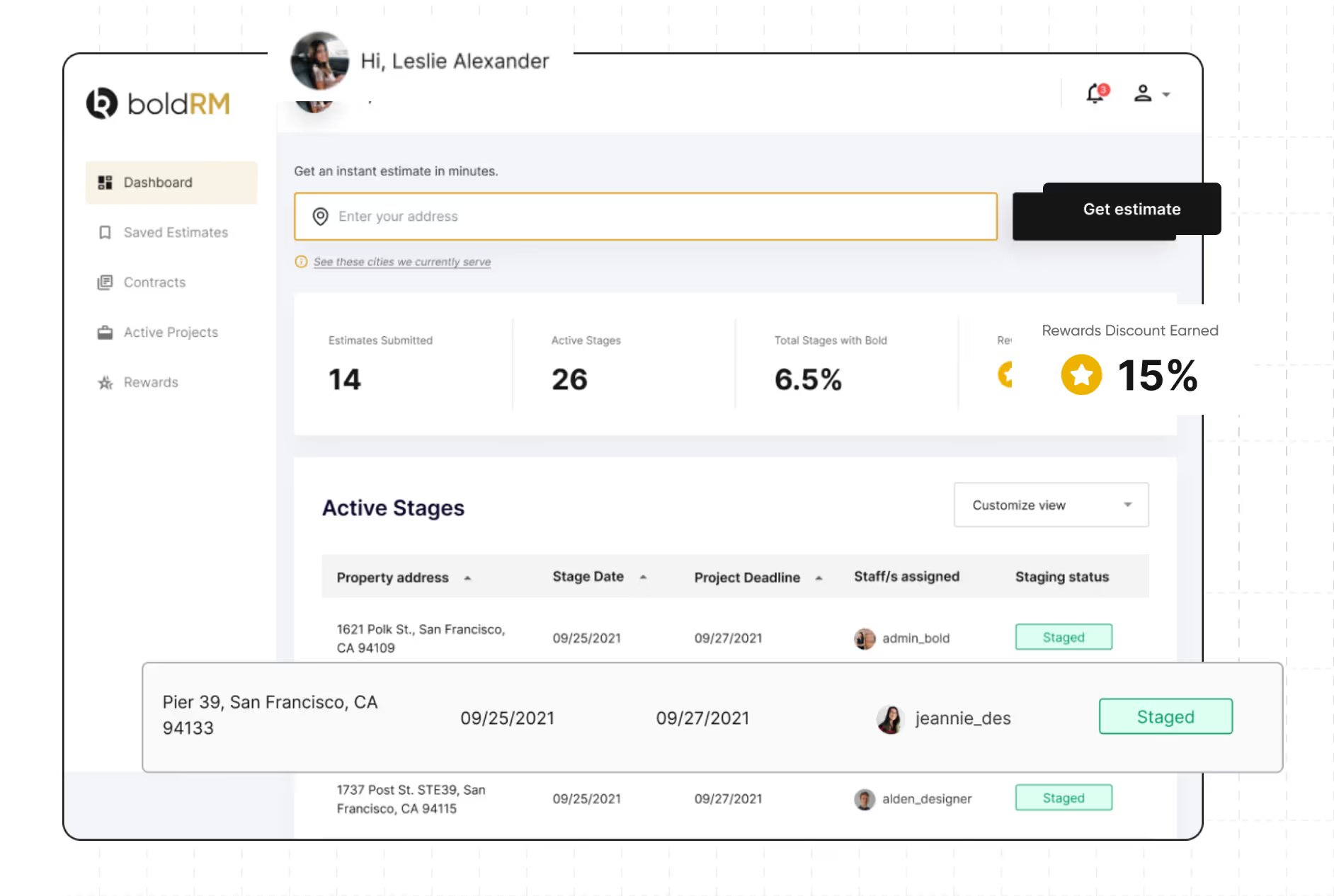
If you are unsure whether buying or renting makes more financial sense for your situation, the staging calculator at BoldRM can help you run the numbers before committing.
Affordable Staging Furniture Options by City and Market
Housing markets vary dramatically across the United States, and furniture sourcing strategies often need to adapt accordingly.
San Francisco and the Bay Area
The Bay Area is one of the most competitive real estate markets in the country, and staging is practically non-negotiable if you want top dollar. If you are wondering where can I find affordable furniture in the San Francisco Bay Area, options include local estate sales in Marin County and the East Bay, IKEA in East Palo Alto, and Facebook Marketplace, which is particularly active in the region.
For sellers who need a faster, more polished solution, professional staging services in the Bay Area handle sourcing, delivery, and installation, so contact us to understand what a full-service staging package includes and whether it fits your timeline.
Mid-Size and Suburban Markets
In cities like Denver, Nashville, Austin, and Charlotte, the staging market is growing rapidly alongside rising home prices. Budget-conscious sellers in these markets often find better deals through regional wholesale liquidators and secondhand platforms than in coastal cities, where demand for quality used furniture is higher.
Regenerate section
Professional Staging vs. Buying Your Own Furniture
Buying staging furniture outright makes sense for real estate agents and investors who stage multiple properties per year. For a homeowner selling one house, the math often does not work out as favorably.
Consider the full cost of buying furniture for a three-bedroom home: a sofa, two armchairs, a dining table and chairs, a bed frame and headboard, a nightstand set, a dresser, and all the accompanying accessories. Even sourcing strategically with a mix of IKEA and secondhand finds, you could easily spend $3,000 to $6,000 or more. Then you face the question of what to do with all of it after closing.
Professional staging companies own large furniture inventories and can deploy them efficiently across many listings. Their cost per staging is lower because that furniture is used repeatedly. When you look at what a full-service staging company delivers compared to the time, logistics, and financial risk of DIY sourcing, the value proposition shifts considerably.
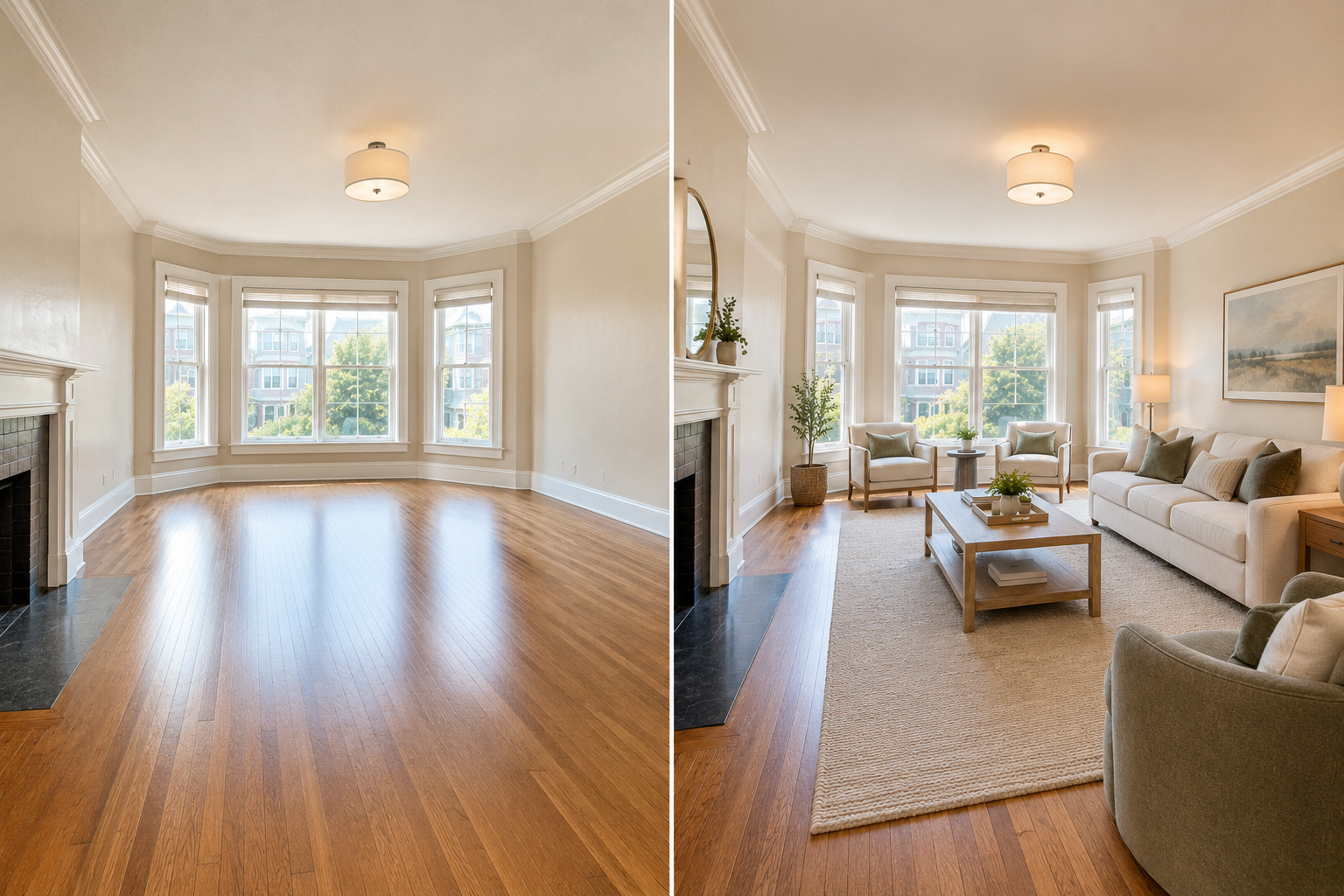
Browsing recent transformations gives you a clear sense of the caliber of finished results that come from working with professionals who have curated their inventory over time. And if you want to see the kind of real-world transformation staging creates, galleries showing the difference across real listings demonstrate the impact clearly.
What to Do If You Are Ready to Move Forward
If you have weighed your options and you are leaning toward hiring professionals rather than searching for where to buy staging furniture on your own, the next step is straightforward. Reach out through BoldRM to discuss your property, timeline, and goals with a staging specialist.
Professional staging eliminates the sourcing burden entirely. You get a team that handles the design plan, furniture selection from an established inventory, delivery, setup, and pickup after closing. For sellers in competitive markets who need to move fast and present well, that streamlined process has real value.
Whether you are an agent managing multiple listings, a homeowner preparing to sell for the first time, or an investor flipping properties, the right approach to staging furniture sourcing comes down to frequency, budget, and the specific demands of your market. Taking time to map out those variables before spending a dollar puts you in a much stronger position.
Frequently Asked Questions
Q: Where do stagers get their furniture from?
Professional stagers typically build inventory through a combination of wholesale trade accounts, furniture rental companies, and selective retail purchasing.
Over time, experienced stagers develop relationships with suppliers that give them access to discounted pricing. Many also invest in a rotating inventory of neutral, versatile pieces that work across multiple property types and price ranges.
Q: Where can I buy fake furniture for staging?
"Fake" or prop furniture for staging is available through theatrical prop suppliers, display furniture companies, and certain online retailers that specialize in lightweight staging props.
These pieces are typically not functional but are designed to look realistic in photographs. They work best in tight spaces where actual furniture would be impractical, such as a small bedroom alcove or a narrow hallway.
Q: How to buy staging furniture?
Start by measuring your rooms, establishing a neutral color palette, and prioritizing the key spaces buyers focus on, then source pieces from retail stores, secondhand platforms, or wholesale suppliers depending on your budget.
Consider the resale value of each piece and whether renting may be more cost-effective than buying outright for a single sale. Building a checklist of essential items before you shop prevents impulse purchases that do not serve the staging plan.
Q: Where can I find affordable furniture in the San Francisco?
In the San Francisco Bay Area, affordable staging furniture can be found through Facebook Marketplace, East Bay estate sales, Habitat for Humanity ReStores, and the IKEA location in East Palo Alto.
For sellers who need a faster solution, full-service staging companies in the Bay Area offer competitive packages that may cost less than piecing together a furnished look independently when you factor in time, transportation, and accessories.
Q: Does staging furniture stay with the house?
In most cases, staging furniture does not stay with the house; it is removed after the sale closes.
Staging furniture belongs to the staging company or the seller and is not typically included in the real estate transaction unless explicitly negotiated. If a buyer wants a particular piece, they would need to make a separate arrangement with the seller or staging provider.
The Bottom Line on Where to Buy Staging Furniture
Understanding where to buy staging furniture puts you in control of one of the most impactful decisions in the home-selling process. Whether you choose to shop retail, build a secondhand inventory, rent from a professional warehouse, or hire a full-service staging company, the best path depends on how many homes you plan to stage, how much time you can invest in sourcing, and what your target market expects from a listing presentation.
For most homeowners and agents selling in competitive markets, partnering with a professional staging company delivers a stronger return than sourcing furniture independently. You get a curated, cohesive look without the logistics burden, and your listing hits the market faster. If you are ready to see what that looks like for your property, reach out today to get started with a staging consultation.