Coastal Interior Design Style Guide: How to Create a Light and Airy Beach-Inspired Home
The coastal interior design style feels effortless. Light, open, and calming, it captures the relaxed atmosphere of seaside living. Whether inspired by the Hamptons, California beach homes, or tropical retreats, coastal design remains one of the most requested aesthetics in residential interiors and home staging. But what truly defines coastal interior design? And how can you achieve the look without turning your home into a themed beach rental?
This guide explores the core principles of coastal design and more importantly, why they work so you can apply the style in a way that feels timeless and refined.
Key Takeaways About Coastal Interior Design
Before exploring the details, here are a few defining traits of coastal interiors:
- Light, airy spaces with abundant natural light
- Soft neutral palettes inspired by sand and sea
- Natural materials such as linen, rattan, and wood
- Simple layouts with minimal clutter
- A relaxed, welcoming atmosphere
The goal is not to recreate a beach theme but to create a calm environment that feels connected to nature and the outdoors.
What Is Coastal Interior Design?
Coastal interior design focuses on light, air, and natural materials but more importantly, it focuses on how a space feels. The coastal design style is like the furniture equivalent of lofi music, soothing, tranquil, and it branches into a vast array of subcategories. And whether you prefer the nautical imagery of beach coastal designs, the warm greens of tropical coastal, or the rustic flair of farmhouse coastal, everyone wants to take home some good summer vibes.
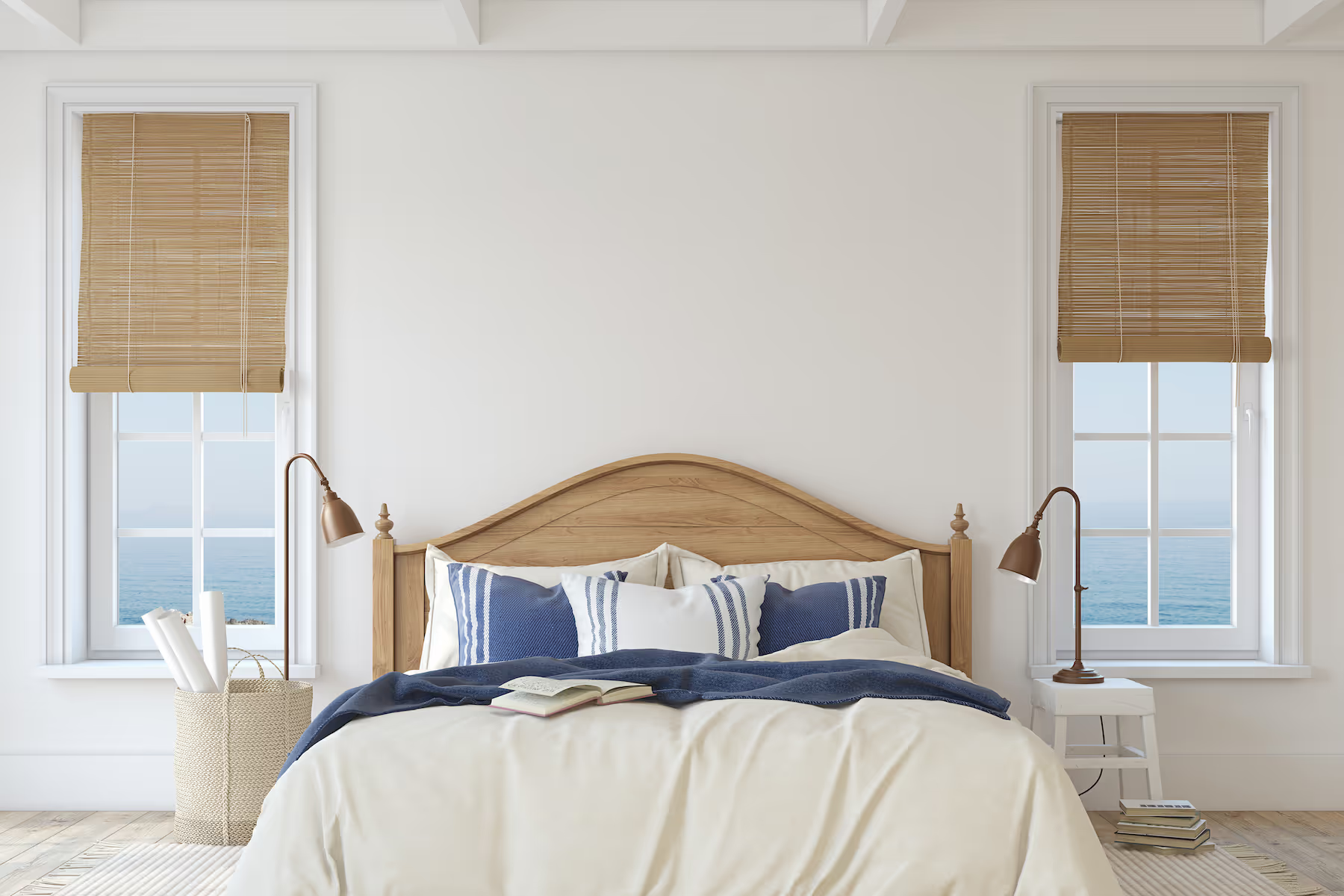
At its core, coastal design is about reducing visual weight. Every design decision from color to furniture works to make a space feel more open, breathable, and relaxed. The Coastal interior design style utilizes an abundance of natural light, soft pastels, and a clean aesthetic. Core features include earth tones and plenty of natural elements. Think linen upholstery, rattan material, weathered woods, and straw rugs. Fabrics are typically devoid of any shine or metallic gleam. And the color palette is limited to blue shades, crisp whites, and warm neutrals.
The whole look is meant to bring the outdoors inside. Interiors should never feel dark or cramped, and the more windows, the better. Coastal design is meant to evoke that breeziness and carefree calm of a secluded beach. Afterall, the style did originate as a backdrop for one of the most exclusive seaside communities.
Unlike more decorative styles, coastal interiors rely on restraint. Instead of adding more elements, the design removes visual distractions so light and space become the main features. A well-executed coastal space should feel effortless and not styled.
The History Behind Coastal Design
It’s difficult to pinpoint exactly where and when the coastal interior design style was conceived. One popular theory is that it stems from the Hamptons.
Through the late 19th and 20th centuries, America’s rich and affluent aristocracy flocked to Long Island for their summer getaways. In order to furnish these lavish vacation homes, many of them adopted the then popular French Baroque and Rococo styles, but with an American twist. The look continued to branch away in the coming decades and is now associated with the chic resort lifestyle of the Hamptons itself.
Open floorplans and ample sitting space for conversation with friends. And clean, simple decor to give every room some modern elegance. Everything to make entertaining easier, and the illusion of a permanent holiday more believable.
With the romanticization of beach life in media (like Baywatch, Pacific Blue, North Shore, Australian soap Home and Away, and HBO’s Big Little Lies) we’re all looking for some of that coastal cool.
As the style spread, it adapted to local environments:
- New England homes emphasized crisp whites and symmetry
- California coastal design introduced indoor-outdoor living and casual layouts
- Tropical regions incorporated lighter woods and breathable materials
Today, coastal design represents a broader concept a lifestyle centered around comfort, simplicity, and connection to the environment.
The Coastal Design Color Palette
Color is one of the most recognizable elements of coastal interiors, but its role goes beyond aesthetics. Light color palettes help reflect natural light, which makes rooms feel larger, brighter, and more open especially important in both everyday living and home staging.
Traditional coastal palettes typically include:
- Crisp white
- Soft blues
- Sandy beige
- Warm neutrals
- Muted seafoam or pale green
Modern coastal design often refines this approach by reducing contrast and layering tones more subtly:
- Cream and warm whites
- Light gray undertones
- Soft pastel accents
- Natural wood finishes
Instead of strong color contrast, modern coastal interiors use tone-on-tone layering to create depth without disrupting the calm atmosphere. This is why bold or highly saturated colors are used sparingly, they tend to interrupt the sense of openness the style depends on.
Materials and Textures That Define Coastal Style
Because coastal interiors use a restrained color palette, texture becomes the primary way to create visual interest. Materials are carefully selected not just for how they look, but for how they interact with light and space.
Common materials include:
- Linen upholstery
- Cotton textiles
- Rattan and wicker furniture
- Weathered or whitewashed wood
- Jute or sisal rugs
These materials soften the space both visually and physically. Unlike glossy or reflective finishes, natural textures diffuse light, which helps maintain the relaxed and organic feel of the room. For example, a linen sofa paired with a woven rug and light wood accents creates depth without making the space feel heavy.
In contrast, overly polished surfaces or ornate details can make a coastal space feel formal or disconnected from its natural inspiration.
How to Achieve Coastal Design Without Going Overboard
One of the most common mistakes is turning coastal design into a literal theme.
You do not need:
- Excess seashell décor
- Anchor motifs throughout the space
- Large collections of ocean-themed accessories
These elements often make a space feel staged or artificial rather than relaxed.
Instead, focus on design principles.
Prioritize Natural Light
Natural light is the foundation of coastal interiors. Maximizing sunlight makes a space feel larger and more inviting. Sheer curtains, minimal window treatments, and unobstructed windows allow light to move freely through the room.
In staging, this is especially important because bright spaces tend to photograph better and attract more attention online.
Keep It Uncluttered
Coastal interiors rely on openness.
Too many objects or overly complex layouts can make a room feel smaller and more visually heavy. Removing unnecessary items allows the architecture and natural light to stand out.
This is why negative space is not empty it is intentional.
Mix Rustic and Modern Elements
Modern coastal design works because it balances contrast. Natural textures such as wood and rattan are paired with cleaner, more structured elements like metal lighting or simple furniture silhouettes. For example:
- Driftwood accents paired with modern fixtures
- Linen seating combined with structured tables
- Woven textures balanced with clean lines
This mix prevents the space from feeling overly rustic or overly minimal.
Quick DIY Tips
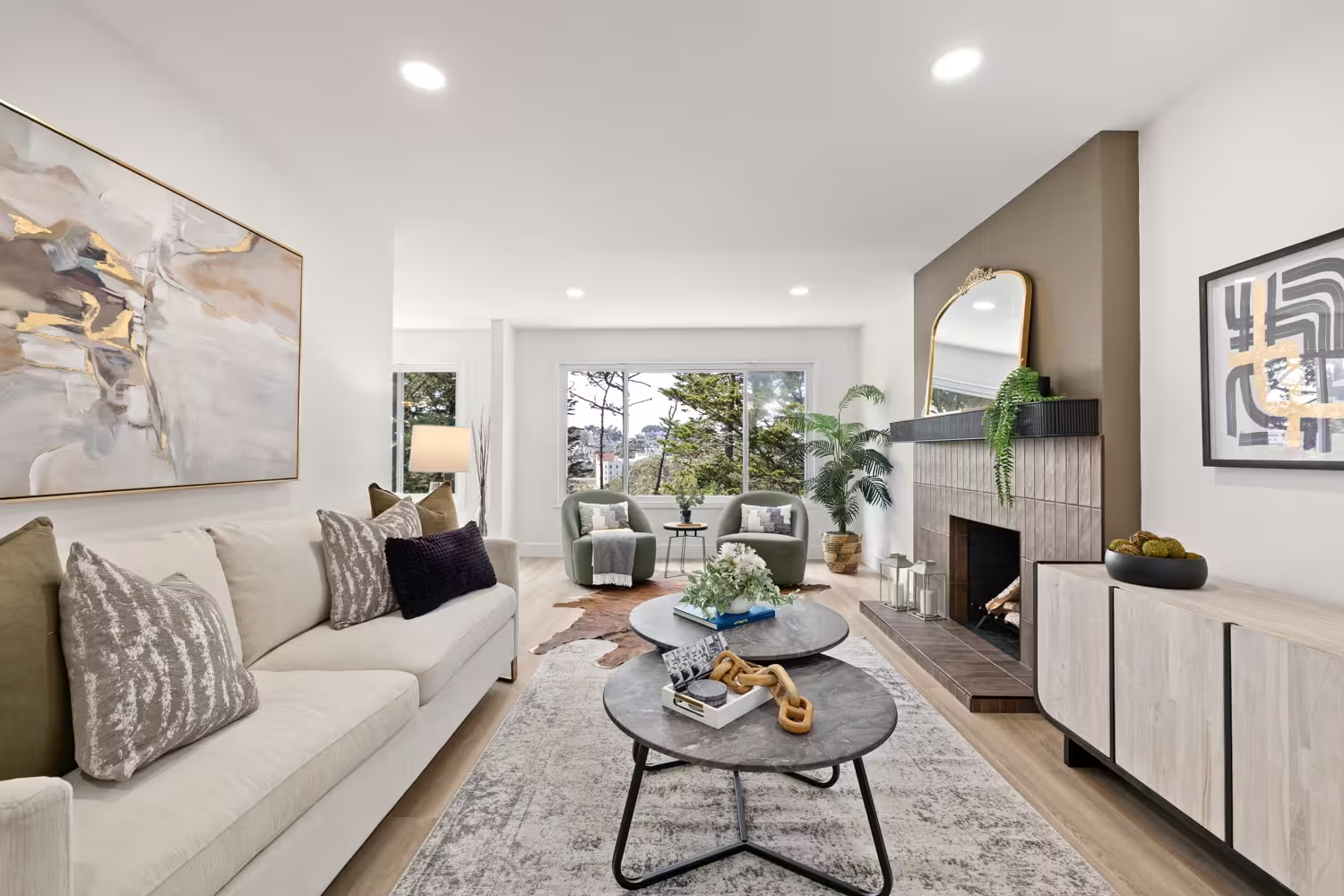
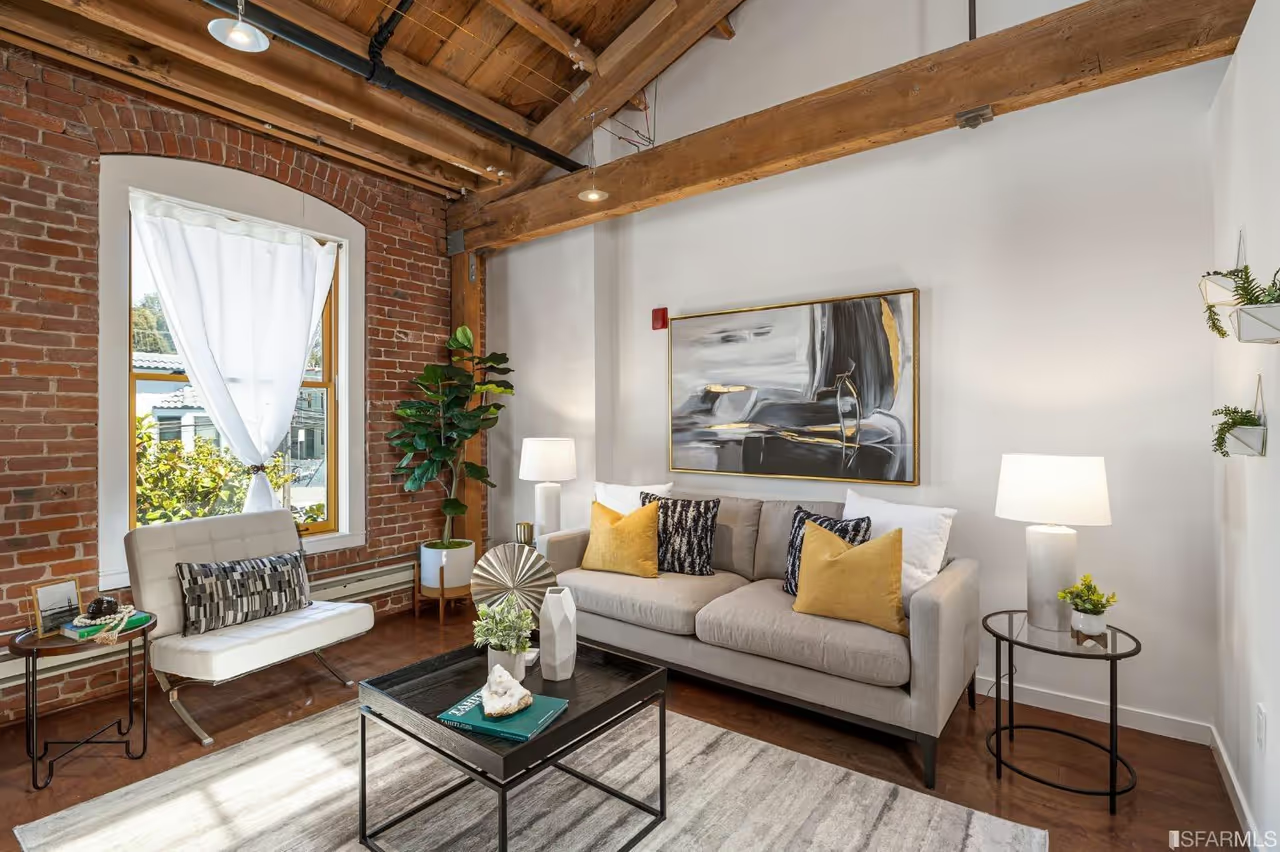
Looking back at home stagings done with boldRM along the California coast - specifically in the near the Bay Area, here’s an advice on how to recreate some beach vibes indoors, without having to move to an exclusive seaside community.
There are three essential rules for coastal design: lots of white, lots of light, and zero clutter. Feel free to use bold accent colors (especially if you’re going for a tropical feel), but the majority of the room should be in white or soft pastels. Use thin curtains and light window furnishings to allow in as much natural light as possible. And to avoid a kitschy nautical beach house look, keep the number of seashells and ocean memorabilia to a minimum (this paddle floor lamp from wayfair, however, is a definite keeper).
While coastal pieces tend more towards rustic, don’t be afraid to mix modern with traditional. You could combine sleek metal decor with driftwood carvings, like these west elm coastal vases. Statement pieces, like this wicker coffee table, are another simple way of ejecting some coastal charm. Add plenty of soft furnishings, like this CB2 linen throw, to complete the look.
And when in doubt, as Fixer Upper co-host Joanna Gaines would say, add some shiplap.
Coastal Style in Home Staging
Coastal-inspired design is widely used in home staging because it appeals to a broad audience. Light, neutral interiors help buyers focus on the space itself rather than the décor. This makes it easier for them to imagine their own lifestyle in the home.
Coastal staging helps:
- Enhance natural light
- Make spaces appear larger
- Create a clean, move-in-ready impression
- Appeal to a wide range of buyers
The key is subtlety. The design should feel intentional but not personalized. In competitive markets like the Bay Area, this balance can significantly influence how a listing performs especially in photos, where brightness and simplicity stand out.
Is Coastal Interior Design Still Popular?
Yes, coastal design remains popular because it is inherently adaptable. Its foundation light colors, natural materials, and simple layouts can evolve with changing trends without losing its identity.
Unlike trend-driven styles, coastal interiors tend to age well because they rely on principles rather than decoration. This adaptability is also why coastal design continues to be widely used in both residential interiors and home staging.
Final Thoughts on Coastal Interior Design
Coastal interior design is not about recreating the beach, it is about creating a feeling. By focusing on light, natural materials, and simplicity, you can design a space that feels calm, open, and welcoming. Whether you are decorating your home or preparing it for sale, coastal design offers a timeless approach that balances comfort, function, and understated elegance.