Soft Furnishings 101: What They Are and Why They Matter
You can redesign a space, buy new furniture, and repaint the walls - and something can still feel unfinished. In many cases, what’s missing is not furniture, but soft furnishings.
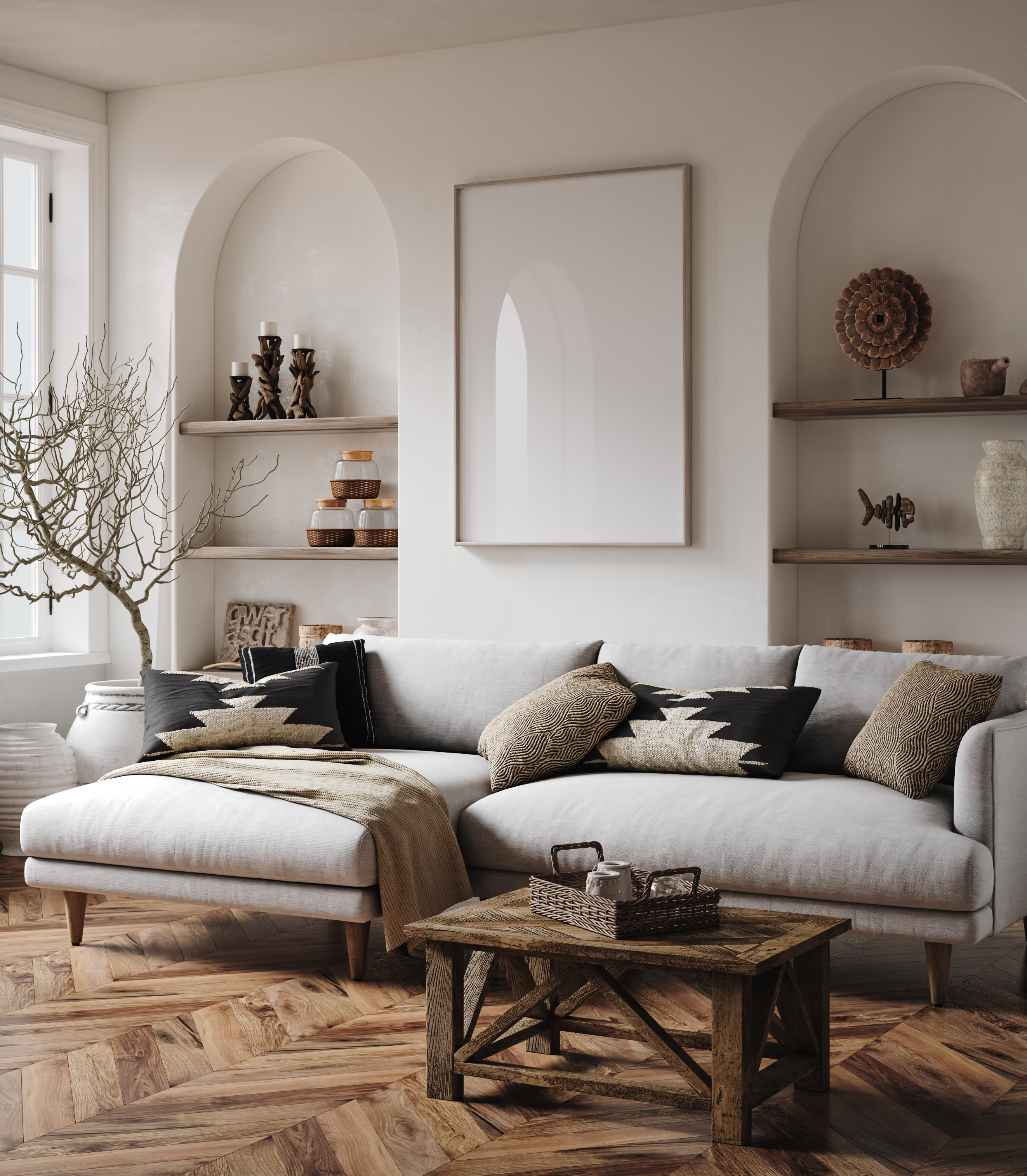
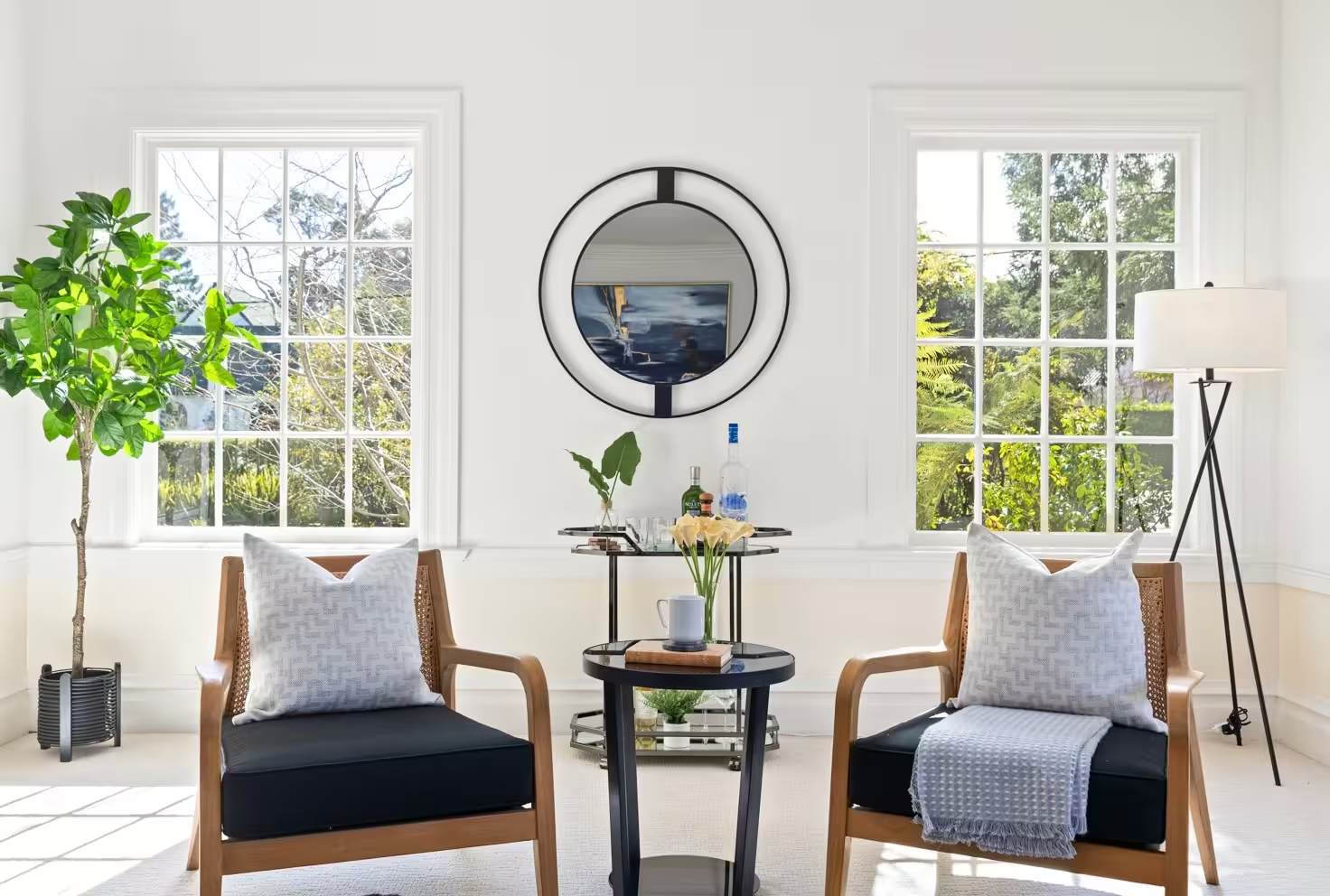
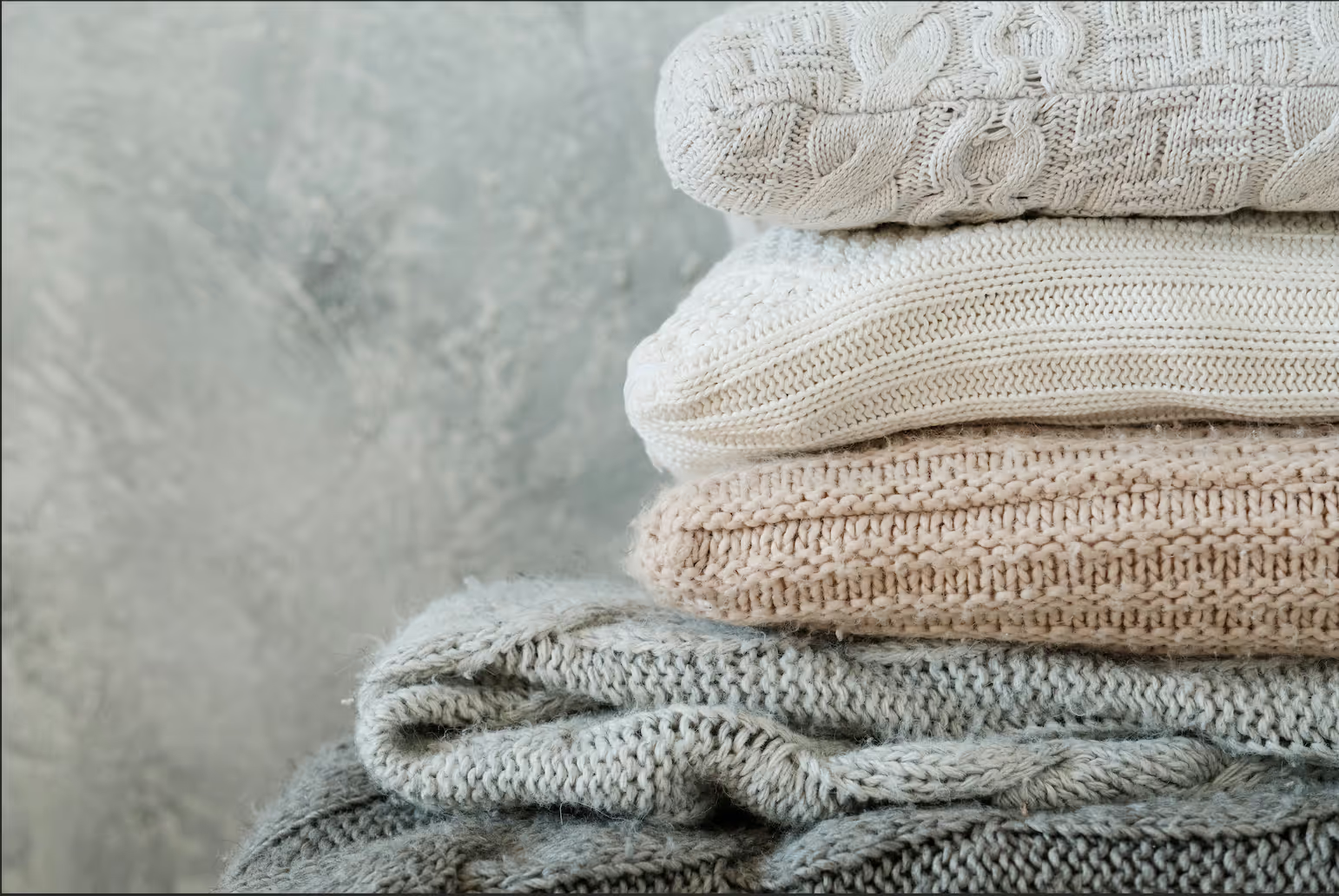
Soft furnishings are the elements that add warmth, texture, and comfort to a home. They help a room feel balanced, lived-in, and visually complete. From rugs and curtains to cushions and throws, these fabric-based details shape how a space feels both aesthetically and functionally.
In both everyday living and home staging, soft furnishings play a quiet but powerful role. They soften hard surfaces, add depth to a room, and create an inviting atmosphere that people naturally respond to.
Having staged a wide range of homes throughout the San Francisco Bay Area, we’ve seen how the right soft furnishings can instantly elevate a space. This guide explains what soft furnishings are, how they affect a room, and how to choose fabrics and pieces that work in real homes.
Key Takeaways About Soft Furnishings
Before diving into the details, here are a few important things to understand about soft furnishings:
- Soft furnishings add texture, warmth, and visual balance
- They help define spaces in open floor plans
- Fabrics influence both comfort and durability
- In home staging, soft furnishings help a space feel inviting but neutral
Even small updates to textiles can dramatically change how a room looks and feels.
What Are Soft Furnishings?
Soft furnishings refer to textiles and fabric-based decorative elements used in interior spaces. Unlike hard furnishings such as tables, cabinetry, or flooring, soft furnishings introduce softness, flexibility, and visual depth.
Common examples of soft furnishings include:
- Rugs and carpets
- Curtains and drapes
- Upholstered furniture
- Cushions and throw pillows
- Throw blankets and bedding
- Towels and other fabric accessories
While these items may seem like finishing touches, together they strongly influence the overall atmosphere of a room.
Soft furnishings help soften architectural lines, add layers of texture, and make spaces feel more comfortable and welcoming.
How Soft Furnishings Affect a Space
Soft furnishings influence much more than aesthetics. They affect the overall experience of a room in several ways.
Comfort and Warmth
Fabric elements add physical comfort and make a room feel more relaxed and inviting. Cushions, rugs, and textiles soften hard surfaces and create a sense of coziness.
Sound and Acoustics
Soft materials help absorb sound, reducing echo in larger spaces or rooms with hard flooring. Rugs, curtains, and upholstered furniture can significantly improve the acoustics of a space.
Visual Balance and Scale
Soft furnishings help balance the visual weight of a room. For example, a large sofa may feel overwhelming without pillows or a rug to anchor it.
Atmosphere and Mood
Different fabrics and colors can change how a space feels. Lighter textiles create an airy, relaxed atmosphere, while darker fabrics or heavier textures can add warmth and sophistication. In home staging, soft furnishings also help guide the eye and subtly define how rooms are meant to be used.
How to Choose Soft Furnishings by Category
When selecting soft furnishings, it helps to think about how each item will function in the space, not just how it looks.
Upholstery
Upholstered furniture often experiences the most daily use, so durability is important. Homes with children or pets benefit from durable fabrics, stain-resistant materials, or subtle patterns that help disguise wear. Choosing practical upholstery can significantly reduce maintenance over time.
Curtains and Drapes
Curtains frame windows and influence how natural light enters a room. They can also visually change a room’s proportions. Floor-to-ceiling curtains often make ceilings appear taller, while heavier fabrics add character and richness.
Cushions and Throw Pillows
Cushions are one of the easiest ways to update a room. They add color, texture, and visual interest, and they can easily be changed seasonally to refresh the space without replacing larger furniture pieces.
Throw Blankets
Throw blankets add softness and warmth to living rooms and bedrooms. When styled casually over a sofa or chair, they help a space feel comfortable and relaxed.
Rugs
Rugs anchor furniture and define zones, especially in open floor plans. A bold rug can serve as the focal point of a room, while a neutral rug can balance stronger design elements.
Choosing Soft Furnishings by Fabric
Now consider a fabric option that works best with the type of furnishings you want. Each fabric has a tale (and price range) to tell.
Linen
Linen is breathable, lightweight, and naturally textured. It works well for cushions, slipcovers, and relaxed interiors. The O.G. fabric is fairly easy to clean and very soft. It comes in a range of colors and designs for both formal and casual styles.
Silk
Good for pillow covers, bed sheets, and lampshades. The luxurious fabric is a great way to make a room feel more expensive and ornate. Silk is also hypoallergenic. Silk adds elegance and luxury but is best used in decorative accents. It can fade in direct sunlight, so placement matters.
Cotton
Cotton is one of the most versatile fabric options. It’s widely used for upholstery, cushions, and bedding because it is durable and relatively easy to clean.
Chenille
First introduced in the 1700s, chenille is a fuzzy cotton yarn. The name comes from the French word for “caterpillar” because it’s so incredibly soft and fuzzy. It’s often used in blankets and upholstery. Chenille is great making a room appear cozier and perfect for any Bohemian design scheme. It adds warmth but may require more careful cleaning.
Burlap
Burlap has a rustic, natural appearance and works well in farmhouse or casual interiors. It is durable but less refined than other fabrics. This eco- and budget-friendly material can be used for curtains, upholstery, pillow covers, tablecloths, placemats and table runners. It’s incredibly durable and easy to wash. Burlap is also heat resistant which is good for hot, dry climates. It’s rustic look makes it perfect for any modern farmhouse design scheme.
Sisal
Sisal is a natural fiber often used in rugs. It is durable and textured but best suited for dry areas because it absorbs moisture. This extremely sustainable eco-friendly material is very similar to burlap and commonly used for carpets and rugs.
Velvet
Velvet adds depth, richness, and sophistication. It is often used for accent furniture or decorative pillows. Add a touch of pizzazz and luxury to your couch, chairs, throw pillows, and headboards with smooth velvet. The fabric adds some dimension and warmth to a room without being too distracting.
Wool
Wool is warm, durable, and excellent for rugs or throws. It also provides sound absorption and insulation. This is ideal for homes in cooler climates. Wool can be used for blankets, rugs, pillow covers, and drapes. It’s also good for noise reduction but it can be a little tricky to clean.
Leather
Leather is highly durable and develops character with age. This expensive fabric actually improves with age. Quality leather is durable, long-lasting, easy to clean, and it won’t hold pollen and dust like other fibers will. You can always buy faux leather. Just be aware that faux leather, while it can have the same look and feel, it does not have the same longevity as real leather.
Vinyl
Vinyl is extremely durable and stain-resistant, making it suitable for high-traffic areas or outdoor furnishings. It’s often used for upholstery in restaurants or in outdoor spaces because it’s so easy to clean and sanitize. Vinyl is even flame resistant.
Suede
Suede offers a soft, refined appearance similar to leather but is more sensitive to moisture. Faux suede provides easier upkeep. Best suited for couches, headboards, and pillow covers, this fabric is very similar to leather. Suede is also made from animal skin and, like leather, it has a very long lifespan. Although, it can be slightly harder to clean and suede does not do well when exposed to moisture.
Soft Furnishings in Home Staging
In home staging, soft furnishings are used intentionally to create balance and warmth without making a home feel overly personalized. Professional stagers use textiles to:
- Make rooms feel complete and welcoming
- Add warmth without clutter
- Improve how spaces appear in photos
- Help buyers imagine living in the home
The goal is subtlety. Well-chosen soft furnishings enhance the space without drawing attention away from the home’s layout or architectural features. For additional staging guidance, reviewing home staging best practices can help ensure every detail contributes to a stronger listing presentation.
Final Thoughts on Soft Furnishings
Soft furnishings are the fabrics you interact with every day. They shape how a space feels, how comfortable it is to live in, and how visually balanced a room appears. Whether you're refreshing your home or preparing a property for sale, thoughtful use of textiles can dramatically improve the atmosphere of a space. When chosen carefully, soft furnishings provide the finishing layer that brings a room together.