Midcentury Modern Interior Design: History, Features, and How to Style It
Midcentury modern interior design began in the 1950s, yet it remains one of the most influential and widely recognized design styles today. Its longevity is not accidental. The style continues to resonate because it solves a fundamental design challenge: how to create spaces that feel both functional and visually interesting without unnecessary complexity.
From California ranch homes to contemporary urban interiors, midcentury modern design adapts easily across different environments. It offers a balance between simplicity and personality clean enough to feel modern, yet warm enough to feel lived-in.
What makes this style particularly powerful is its ability to stay relevant. While trends come and go, midcentury modern consistently works because it is rooted in principles rather than decoration. Understanding these principles is what allows homeowners to apply the style in a way that feels authentic rather than staged.
Key Takeaways About Midcentury Modern Design
Midcentury modern interiors are defined by clarity, balance, and function. Instead of relying on heavy decoration, the style uses form, proportion, and material contrast to create visual interest.
Core elements include:
- Simple, streamlined furniture designs
- Organic shapes combined with geometric lines
- Natural wood tones and mixed materials
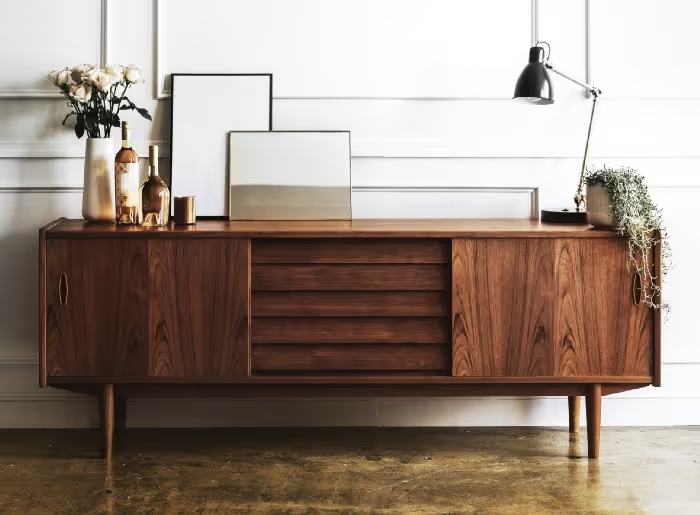
- Low-profile furniture with tapered legs
- Open layouts that emphasize space and light
What makes these elements effective is how they work together. Each decision whether it’s furniture scale or material choice supports a space that feels intentional rather than crowded. The result is a design approach that is both practical and visually distinctive.
What Is Midcentury Modern Interior Design?
Midcentury modern interior design focuses on simplicity, usability, and thoughtful construction. Rather than adding layers of decoration, the style removes what is unnecessary and highlights what remains.
At its core, this approach reflects a shift in how homes were used. Post-war living required spaces to be more efficient, which meant furniture had to serve multiple purposes while maintaining a clean appearance. This is why many midcentury pieces feel lightweight and adaptable.
Common characteristics include:
- Clean lines with minimal ornamentation
- Organic shapes and sculptural forms
- Lightweight, flexible furniture
- Practical layouts designed for smaller homes
Beyond aesthetics, the materials used also played a key role. Innovations such as molded plywood, fiberglass, and steel allowed designers to create forms that were previously impossible. This gave midcentury modern its distinctive look futuristic at the time, yet still highly functional today.
The History of Midcentury Modern Design
Midcentury Modern has its roots in 1950s and ’60s Americana. At the end of WWII, returning soldiers and their new brides created a huge demand for affordable housing. These housing complexes were added to formerly rural areas around major cities and towns, and were designed for rapid construction — simple yet functional. Landowners and developers then fitted these small urban homes with furniture to match, using new (and cheap) materials like metal, vinyl, and plywood. Minimalism helped give homeowners the appearance of space. And in the wake of a Cold War space race, new couples were looking to the future.
In the 1990s, midcentury modern giants Knoll and Eames started selling pieces directly to retail shoppers. The new direct-mail catalogs of the ’90s helped build massive interest in the interior design world. And this widespread interest in midcentury modern decor has never left.
In the 2000s, the Los Angeles County Museum of Art’s “Living in a Modern Way” exhibit on California mid-century modern design, along with the popularity of AMC’s Mad Men, the decades old interior style continued to inspire homeowners and designers alike. And now with even more retro design appearing in media (think Stranger Things, IT, Euphoria, the resurgence of Friends, and the upcoming Wonder Woman 1984), midcentury modern is clearly here to stay.
This shift influenced several key decisions:
- Decoration was minimized
- Furniture became more functional
- Layouts emphasized openness and flow
Designers also embraced industrial production methods, allowing furniture to be manufactured at scale while maintaining strong design identity. This democratized good design, making it accessible to a wider audience rather than limited to high-end interiors. Today, midcentury modern is not just a trend, it is considered a foundational design language that continues to influence contemporary interiors.
Key Characteristics of Midcentury Modern Interiors
Midcentury modern interiors are defined by a set of visual and functional principles. These are not random features, but intentional design choices that create balance within a space.
Clean, Straight Lines
Furniture avoids unnecessary detailing. Instead, it focuses on proportion and structure. This creates a calm visual environment where each piece feels deliberate rather than decorative.
Organic Curves
Curved elements soften the rigidity of straight lines. This contrast is essential. Without it, the space would feel too rigid or mechanical. With it, the room feels balanced and approachable.
Tapered Legs
One of the most recognizable features, tapered legs visually lift furniture off the ground. This makes rooms feel lighter and more open, especially in smaller spaces.
Mixed Materials
Midcentury modern design often combines wood, metal, glass, and synthetic materials. This layering of textures creates depth without clutter.
Functional Layouts
Layouts prioritize usability. Furniture is arranged to support movement and interaction, not just appearance. This is why midcentury interiors often feel more livable than purely decorative spaces.
Midcentury Modern Color Palette
Unlike strict minimalist styles, midcentury modern embraces color—but in a controlled way.
The foundation typically includes neutral tones such as white, beige, or warm wood. These create a stable base that allows accent colors to stand out without overwhelming the space.
Common accent colors include:
- Mustard yellow
- Teal
- Olive green
- Burnt orange
- Black for contrast
What makes this palette effective is restraint. Color is used strategically, often in smaller doses through furniture or accessories. This keeps the space visually interesting while maintaining overall balance.
How to Add Midcentury Modern Style to Your Home (Without Overspending)
Creating a midcentury-inspired space does not require collecting expensive vintage furniture. In fact, the essence of the style lies in decision-making rather than cost.
Keep the Design Simple
it’s all about clean-lines and practicality. Avoid too many prints and textures. Consider adding bright colored accents or wall hangings to contrast against the traditional browns, whites, blacks, and greys of industrial designed furniture. And replace thick cushioned sofas with low-slung loungers and egg-like womb chairs (like this classic Saarinen piece).
Choose Low-Profile Furniture
Furniture should sit closer to the ground and feel proportionate to the room. This helps maintain the open, horizontal flow that defines the style.
Use Wood Accents
Wood is one of the strongest visual anchors in midcentury interiors. Walnut and teak finishes, in particular, add warmth while maintaining a clean look.
Add a Bold Accent Piece
Instead of multiple small decorations, focus on one statement element. This could be a sculptural chair, a bold rug, or an abstract artwork that anchors the room visually.
Mix Vintage and Contemporary Pieces
A balanced mix prevents the space from feeling like a themed set. Combining modern items with midcentury-inspired pieces creates a more natural and livable environment.
Why Midcentury Modern Works So Well in Home Staging
Midcentury modern design is especially effective in home staging because it enhances how a space is perceived rather than distracting from it.
The style helps:
- Create a clear visual flow
- Make rooms feel larger and more open
- Improve how spaces appear in listing photography
- Appeal to a broad range of buyers
Its simplicity allows potential buyers to focus on the structure of the home instead of the décor. At the same time, its warmth prevents the space from feeling empty or impersonal. This balance is what makes midcentury modern one of the most reliable design approaches for presenting a home in its best light.