How to Make Your Home Look Expensive: 6 Affordable Design Strategies
You do not need a large budget to create a refined, high-end interior. In many cases, the difference between an average space and an elegant one comes down to smart choices, thoughtful details, and intentional styling.
Professional designers and home stagers focus heavily on perception. The goal is not necessarily to spend more money, but to create balance, cohesion, and visual polish. With the right design strategies, even modest upgrades can significantly elevate how a home looks and feels. Below are six affordable ways to make your home look more expensive without overspending.
Key Takeaways for Creating a High-End Look
Before exploring the strategies in detail, here are a few important principles used by designers:
- Focus your budget on key statement pieces
- Keep décor intentional and uncluttered
- Use mirrors and lighting to enhance space and brightness
- Layer soft furnishings to create warmth and texture
These design choices improve the perception of quality while keeping costs manageable.
1. Invest in Statement Pieces and Save on Accessories
Not every item in a room needs to be premium. Instead, concentrate your budget on a few larger pieces that anchor the space. Examples include:
- A well-made sofa
- A solid dining table
- A quality area rug
- A distinctive lighting fixture
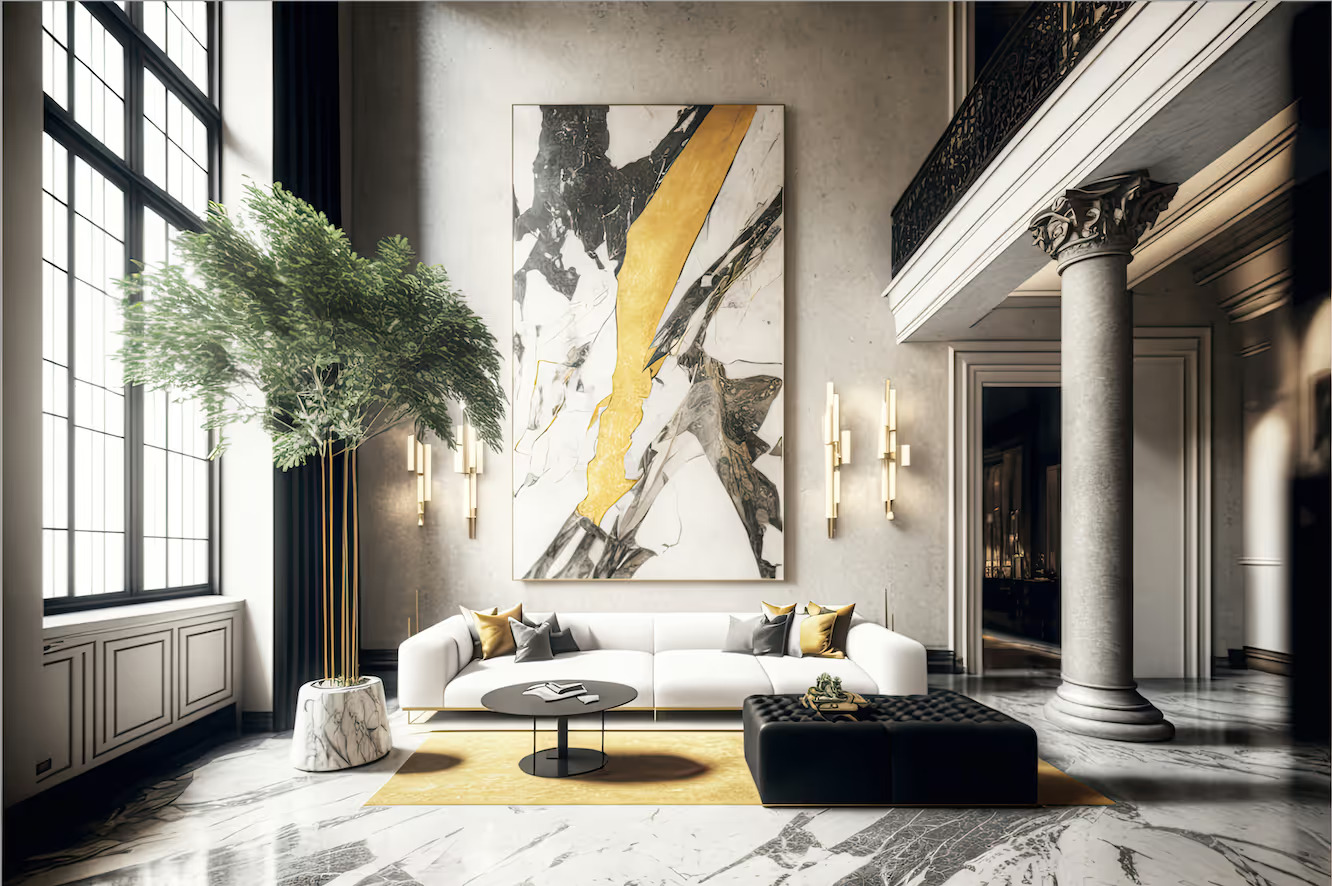
These elements establish the foundation of the room and carry most of the visual weight. It also can elevate a space and add a sense of luxury. Once those pieces are in place, smaller accessories can be layered in more affordably. A statement light fixture, for instance, creates an elegant focal point in any room.
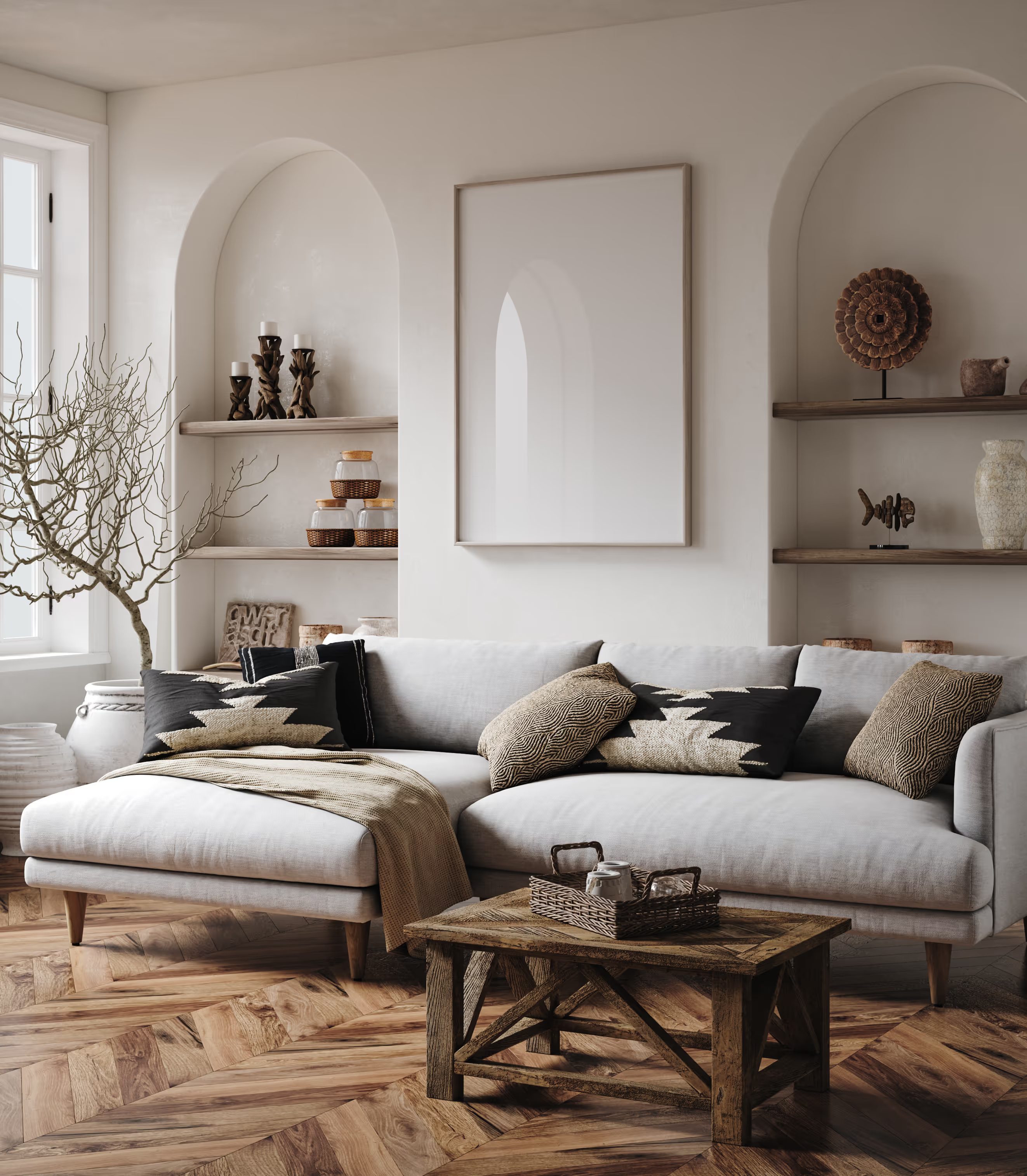
Classic, neutral furniture also adapts easily to different styles over time, making it a practical long-term investment. For example, a basic leather couch (of great quality) can work for a Scandinavian design scheme as well as Bohemian. And it can stay with you for decades.
2. Use Bold Décor Thoughtfully
Affordable décor can still look sophisticated when it is chosen carefully. Instead of filling a room with many small items, focus on a few impactful pieces. Look for items such as:
- Large-scale artwork
- Oversized lamps
- Unique vases or sculptural objects
- Coffee table books
Secondhand shops, vintage markets, and online marketplaces often offer distinctive items at a fraction of retail cost. DIY artwork, framed photography, or curated personal collections can also add personality while maintaining a polished appearance.
Remember that editing is essential. A few strong pieces typically look more elegant than many scattered decorations. Wall decor could be as simple as framed family photos or a collection of hats. A candle in a glass jar makes for an elegant accessory. And wine corks can be stuffed into any glass container or metal cage as a decorative display.
3. Add Mirrors to Increase Light and Depth
Mirrors are one of the simplest ways to elevate a room. They help:
- Reflect natural light
- Make smaller rooms feel more spacious
- Add architectural interest to walls
A large floor mirror (and they don’t need to be as pricey as this Anthropologie set) leaning against the wall or a statement mirror above a console table can transform the atmosphere of a room without requiring major renovation. Mirrors are especially effective in darker rooms where additional light reflection can brighten the space.
4. Refresh Walls With Paint or Wallpaper
Few upgrades improve a room as quickly as a fresh coat of paint. Updating wall color can:
- Brighten the space
- Hide minor imperfections
- Create a clean, cohesive backdrop for furniture and décor
Neutral tones such as soft white, warm gray, or muted earth tones tend to create a refined appearance. Accent walls, subtle wallpaper patterns, or painted ceilings can also introduce depth and visual interest. Even small updates such as repainting trim or cabinetry can modernize a space instantly.
5. Upgrade Hardware Instead of Replacing Furniture
Small details often have the biggest impact. Replacing hardware can dramatically improve kitchens, bathrooms, and furniture pieces without requiring expensive renovations. Consider updating:
- Cabinet knobs
- Drawer pulls
- Door handles
- Light switch covers
Finishes such as brushed brass, matte black, or warm bronze often create a more refined appearance. These simple upgrades are quick to install and can modernize an entire room for a relatively small cost.
6. Layer Soft Furnishings for Comfort and Elegance
Luxury interiors often emphasize comfort and texture. Soft furnishings help create warmth and visual depth within a space.
Consider adding:
- Floor-to-ceiling curtains
- Textured area rugs
- Structured throw pillows
- Layered bedding
- Plush towels in bathrooms
These details soften the room and create a feeling of comfort that is often associated with high-end homes. Understanding choosing the right soft furnishings can make a significant difference in how a room feels and how it photographs. In home staging, layered textiles are frequently used to improve buyer perception because they create an inviting atmosphere.
Why These Budget Design Strategies Work
High-end interiors tend to share several design principles:
- Cohesion
- Balanced proportions
- Proper scale
- Clean finishes
- Thoughtful layering
Luxury design is rarely about expensive materials alone. Instead, it often relies on intentional composition and restraint. By focusing on strategic upgrades rather than full replacements, homeowners can improve the visual quality of their space without exceeding their budget. Understanding staging investment decisions can also help prioritize which improvements offer the most impact.